Away at School Discounts
If you're a student living away from your car, without it at school, you likely qualify for a lower rate, but you have to ask for it.
What qualifies you and what to do about each piece
- Distance from school to home Most insurers set a minimum distance between your school and the car's home address. Check with your insurer what that distance is, since it's not the same everywhere.
- The car stays put This discount usually requires the car to stay at your parents' address while you're at school. If you're bringing the car with you, say so, because that changes what applies.
- You're still a listed driver You don't need your own policy for this, you just need to stay listed on the family policy. Confirm your name and school address are current with the insurer.
- Good student standing Some insurers also want proof you're keeping up grades, separate from the distance discount. Ask whether your insurer stacks this with the away-at-school discount or treats it separately.
- Telling them you moved Your insurer needs your current address even if it's a dorm or off-campus rental, not just your parents' address. Update it so your coverage matches where you actually are.

The short version
If your car stays at home while you're away at school, you likely qualify for a lower rate on the family policy, since the car is driven less and sits farther from campus risk. Tell your insurer your school address and that the car isn't with you, then ask directly what discount applies. Do this before you leave, not after.
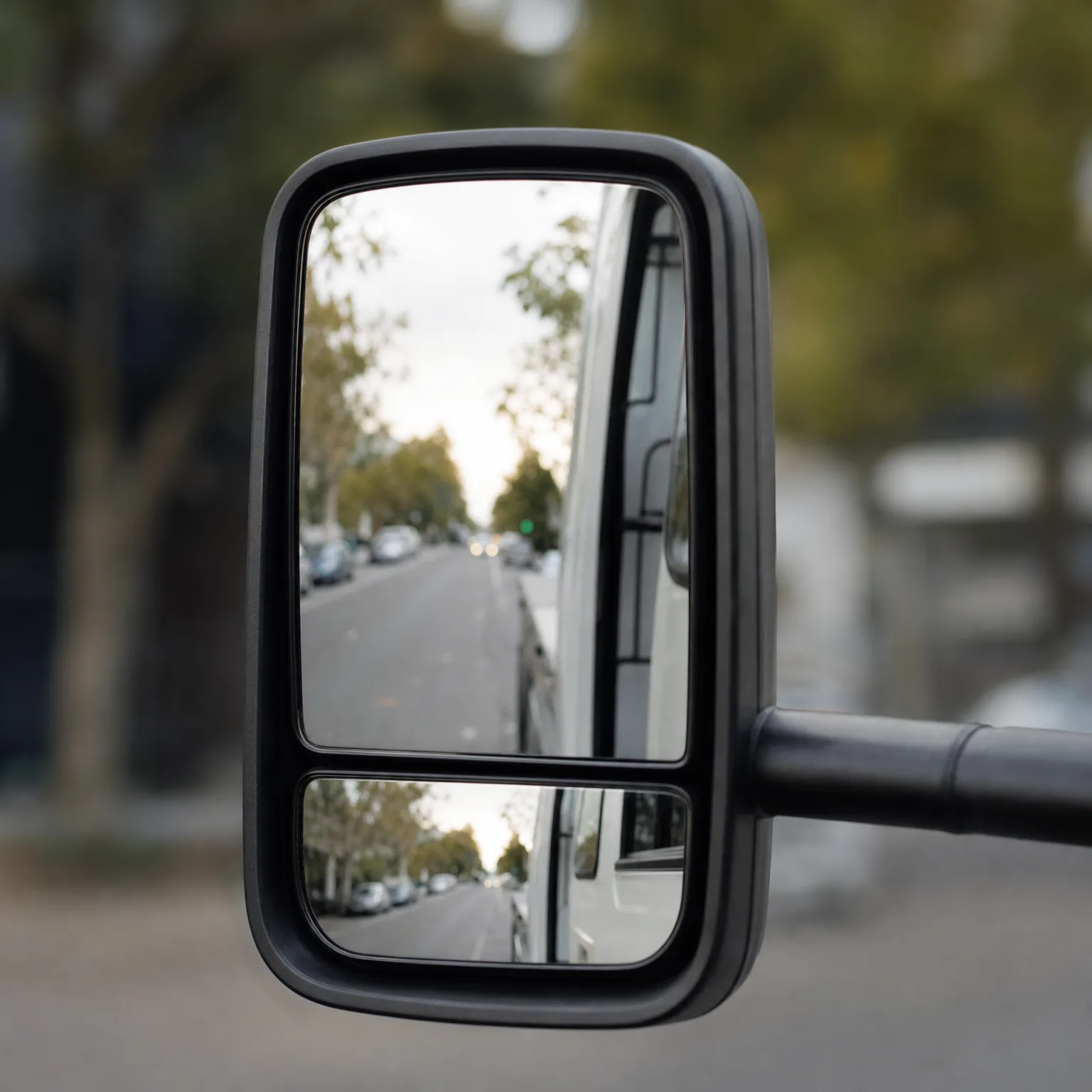
A student leaves her car at her parents' house for the semester
A sophomore moved three states away for school and left her car parked at her parents' house, since campus parking was expensive and she didn't need it for classes. She assumed her parents' policy covered her the same as always and didn't think to call anyone. A few weeks in, her mom mentioned the insurer might lower the rate since the car wasn't being driven much, so she decided to check before settling into the semester.
She called the insurer herself, gave her school address, and confirmed the car stayed at her parents' house the whole time. The insurer asked how far the school was from the car's address and confirmed it qualified, then applied the discount to the next billing cycle. She also updated her own address with the insurer so her license and policy information matched where she actually lived. The whole call took less than fifteen minutes, and the lower rate stayed in place as long as the car stayed put, which it did through the following summer too.
Now that you know what to tell your insurer, compare quotes to see how much the discount actually saves you.

Telling your insurer you're away at school without your car
If you do
Your insurer adjusts your rate to reflect lower risk, since the car isn't being driven near campus. You stay listed correctly, which matters if anything happens to the car at home. The discount applies going forward, and you avoid paying for coverage that doesn't match your situation.
If you don't
You likely keep paying the same rate as if the car were still driven daily near home, even though it's sitting unused. If a claim comes up, your insurer may ask questions about where the car actually is, which can slow things down. You also miss a discount that costs you nothing to ask for.
Why insurers offer this and where it can work out differently
Car insurance pricing is built around risk, and risk is mostly about how much and where a car gets driven. A car parked at a family home for months, untouched, is a lower risk than one driven daily through campus traffic and parked in a crowded lot. Insurers reward that lower risk with a lower rate, which is the whole logic behind an away-at-school discount.
This only works if the car truly isn't with you. If you bring your car to school, even part-time, you're not a lower risk in the same way, and the discount likely won't apply. In that case your insurer needs to know your school address anyway, since where a car is regularly parked affects your rate regardless of any discount.
Where this gets inconsistent is in how far away school needs to be and how insurers verify the car stayed home. Some ask for a certain distance between school and the car's home address, others care more about whether you're listed as a driver at school at all. Because this varies by insurer and sometimes by state, the only way to know your exact terms is to ask directly rather than assume you qualify.
There are also cases where staying on the family policy stops making sense, like if you're the primary driver of a second car at school, or if your parents' policy doesn't extend far enough to cover you reliably in another state. Those situations call for a different conversation, not this discount.
Does this discount still apply if I come home during breaks?
Yes, coming home for breaks doesn't usually disqualify you, since the discount is about where the car is parked during the semester, not whether you ever drive it. Bringing the car back to its home address during winter or summer break is normal and expected, and most insurers build that into how they think about the discount.
What matters more is the pattern over the school year. If you're driving the car regularly at school, even if it technically goes home during breaks, that's different from a car that stays parked the whole semester. If your situation changes partway through the year, like you end up needing the car at school after all, tell your insurer so your coverage still matches reality.