Can I Put My Car Under My Parents Insurance
Yes, your car can usually stay on a parent's policy, but the insurer needs to know where you and the car actually are.

What actually determines whether this works
- Where the car is garaged Insurers price a policy based on where the car spends most nights. If your car lives at school now, tell the insurer that address, even if the policy stays in your parent's name.
- Your school state matters If you go to school in a different state than your parents, the insurer may need to know. Some states require the policy itself to match where the car is registered or primarily driven.
- Distance discounts exist Many insurers lower the cost if a student lives far from home without a car, or lower it differently if the student brings the car. Ask directly what applies to your situation.
- Who's listed as a driver If you drive the car regularly, you need to be listed as a driver even if you're not the owner. Leaving you off to save money can backfire if you ever file a claim.
- Tell the insurer you moved Call or log in and tell them your school address and whether the car is with you. This takes a few minutes and keeps the coverage valid if something happens.
What if I'm in a different state than my parents' policy?
This is the part that trips people up most. A policy is written for a specific state, and that state's rules shape what's covered, what's required, and what a claim looks like. If you're attending school in another state but your car and your parents' policy are both tied to your home state, that's usually fine as long as the insurer knows where the car is actually kept and driven.
Problems show up when the car is permanently in the new state, registered there, or driven there most of the year. At that point, some insurers or states expect the policy to follow the car. This varies by insurer and by state, so don't guess. Call the insurer, tell them exactly where you and the car are, and ask them directly whether anything needs to change. It's a short conversation that prevents a much longer one later.

Once you know how your coverage works at school, compare quotes to see what it should actually cost.

A student who brought her car to a different state
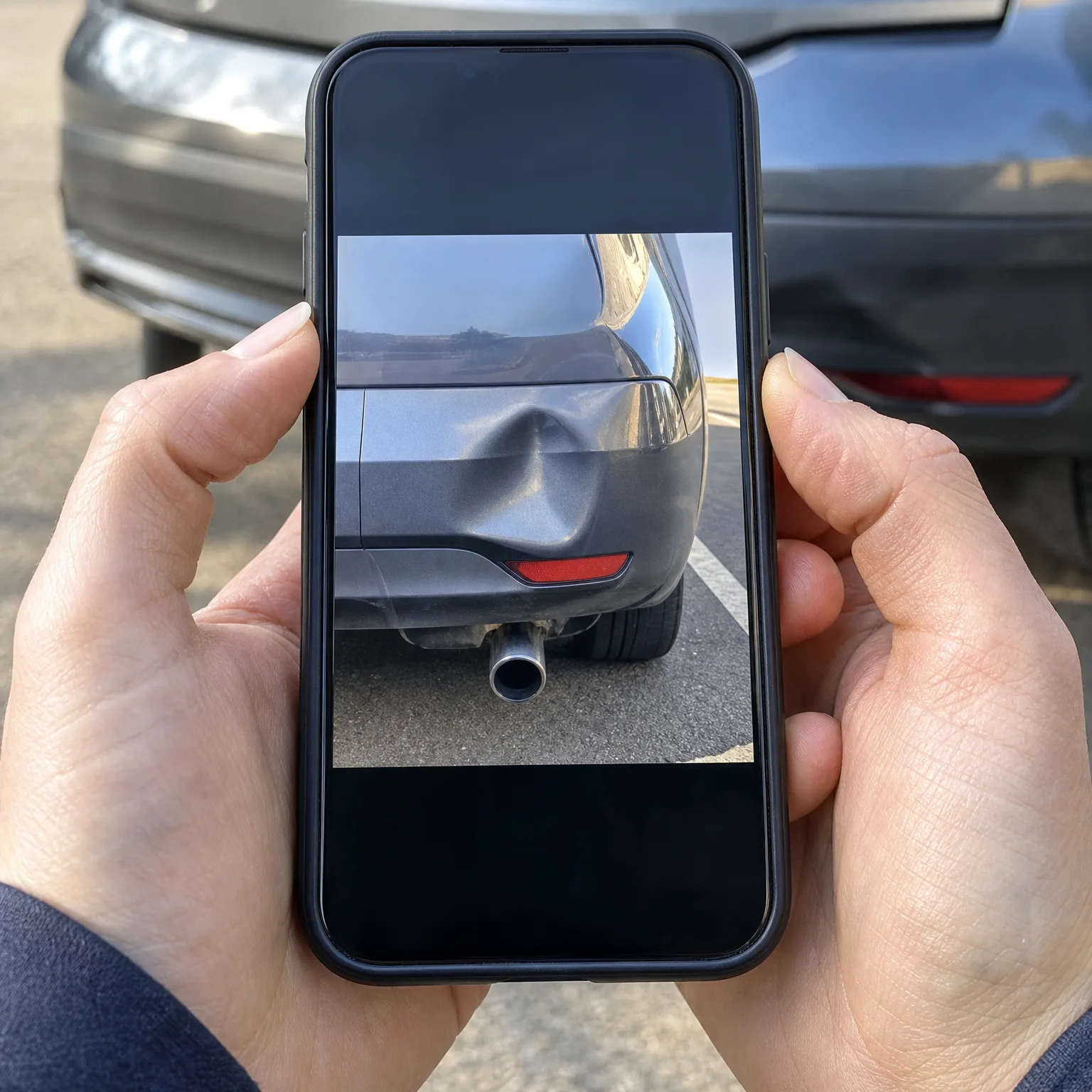
Maya drove her car to school in a state two states away from where her parents live and hold their policy. She assumed nothing needed to change since the policy was still active and the premium was still being paid. Halfway through the semester, someone backed into her car in a parking lot, and she filed a claim.
The claim went through, but the adjuster asked several questions about where the car was normally kept, since that address hadn't been updated. It worked out because she was listed as a driver and the coverage still applied, but the insurer flagged the mismatch and asked her parents to update the garaging address going forward. Maya called the insurer herself afterward, gave them her school address, and asked whether a student discount applied since she had a clean record and decent grades. It did, and the next renewal came in lower than expected.
Why this depends on where the car actually lives
Insurance pricing is built around risk, and risk is tied to place. Where a car is parked overnight, what the roads and weather are like, and how often it's driven all shape what an insurer expects to pay out. That's why the address you give them matters as much as whose name is on the policy.
A parent's policy can often keep covering a student because the underlying risk hasn't necessarily changed, especially if the student is still considered a dependent and the car still spends real time at the family home. But once a car moves permanently to a school address, especially in another state, the insurer is pricing the wrong risk if nobody tells them. That mismatch doesn't always cause a problem, but it can during a claim, when every detail gets checked.
State rules add another layer. Some states want a car registered and insured where it's actually kept most of the year, regardless of whose name is on things. Others are more flexible. This is why the honest move is always to tell the insurer the real situation and let them say what's needed, rather than guessing based on what worked for a friend at a different school.
The cases where this gets complicated usually involve a student who's financially independent, a car titled in the student's name, or a permanent move to the school's state. In those cases, staying on a parent's policy may not be the cheapest or even the valid option, and it's worth asking the insurer directly rather than assuming the old policy still fits.

The policy follows the car's real address, so tell the insurer the truth and let them tell you what changes.