Does Car Insurance Pay for Towing and Storage
It only pays if you added towing coverage or carry full coverage with roadside and storage benefits built in.
Towing coverage isn't automatic, you have to carry it
Basic liability coverage, the minimum most states require, only pays for damage you cause to someone else. It does nothing for your own car, which means it won't pay to tow your car home or store it anywhere. If your car breaks down or gets damaged and you only carry liability, you're paying the tow truck yourself.
Towing and storage usually gets covered one of two ways. Some insurers sell a separate roadside assistance add on that pays for tows, jump starts, and lockouts no matter why you're stuck. Separately, if you carry comprehensive or collision coverage and your car is towed because of a covered accident or theft, the storage fees while it waits for an estimate or repair are often included in that claim, not as a separate add on.
This is where it gets state and insurer specific. Some policies cap how many tows you get or how many storage days they'll pay for before you start owing fees yourself. Some treat storage as part of the claim settlement and some treat it as a separate line with its own limit. Check your policy declarations page or call your insurer and ask directly what your towing coverage includes and whether storage after a covered claim has a day limit.
If your car is still listed on a parent's policy, the same rules apply to you since you're driving under that policy. Ask whoever manages the policy whether roadside and towing coverage is on it, because if it's not, a breakdown near campus becomes a cash expense fast.
What if the tow is from an accident, not a breakdown?
If the tow happens because of a covered accident, it typically falls under your comprehensive or collision coverage rather than a separate roadside add on. That means the tow and any storage while the car sits at a shop or lot waiting for an estimate are usually treated as part of that claim, not billed separately to you.
The catch is storage fees can add up fast if there's a delay getting an adjuster out or a shop is backed up, and some policies only cover storage for a limited number of days before you're responsible for the rest. Ask your insurer directly how many days of storage they'll cover on a claim and what happens after that, so you're not caught off guard if repairs take longer than expected.

Now that you know what pays for towing, compare quotes to see what adding that coverage actually costs.
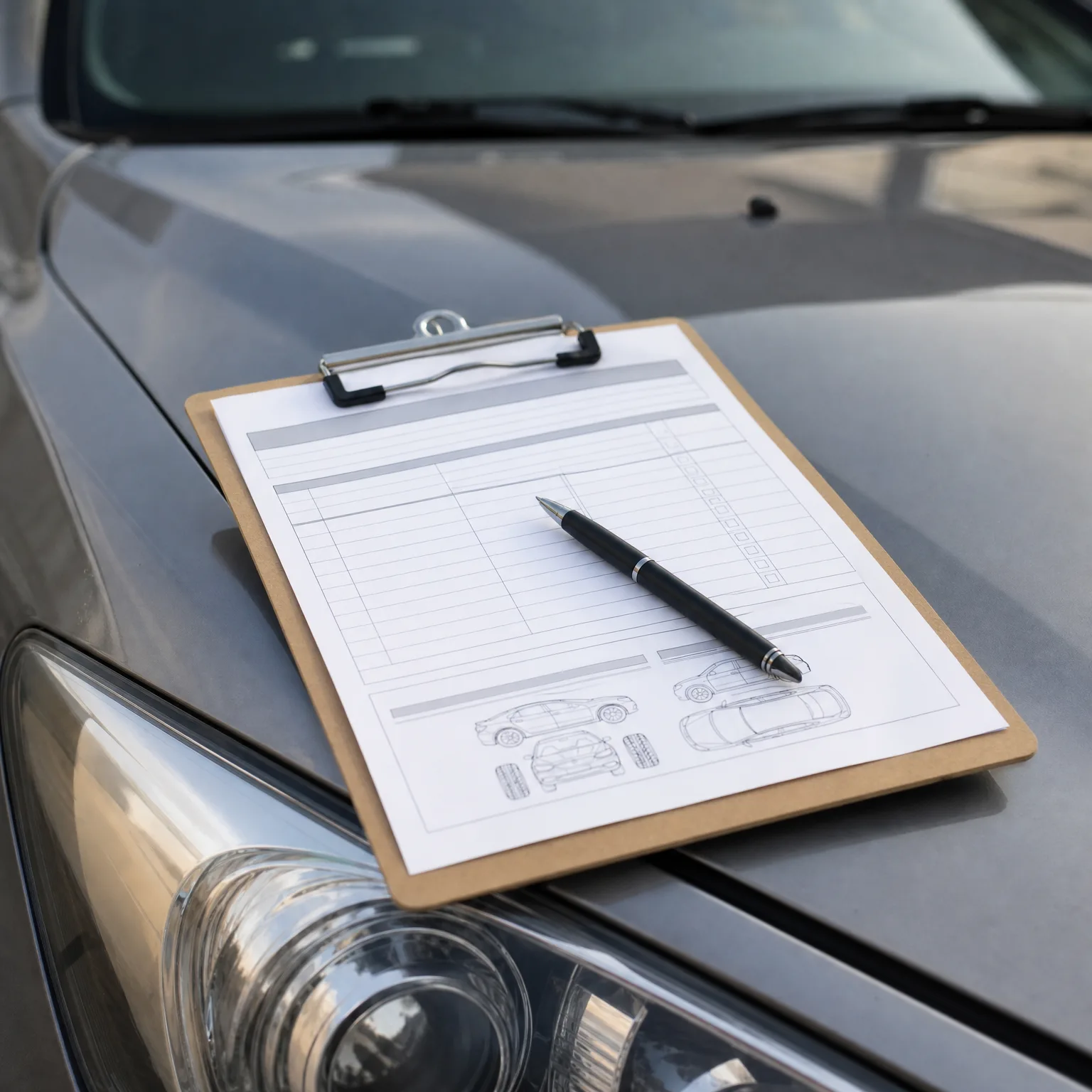
What to check before you need a tow
- Roadside assistance add on This is a separate coverage that pays for tows, jump starts, and lockouts regardless of fault. Ask whoever holds the policy if it's included, since it's often not automatic.
- Comprehensive and collision These pay for towing and storage after a covered accident or theft, not routine breakdowns. Confirm both are on the policy if you want accident related towing covered.
- Storage day limits Some policies only pay storage fees for a set number of days before you owe the rest. Ask your insurer directly what the limit is so repair delays don't cost you.
- Being on a parent's policy If your car is covered under a parent's policy, the same towing rules apply to you as the driver. Ask them to check the declarations page or call the insurer together.
- Out of state towing Coverage for towing usually still applies if you break down away from your home state, but confirm this before you drive since rules can vary by insurer.
A dead battery in a campus parking garage
A student's car wouldn't start one morning in a campus parking garage before an exam. She called her parents, who said the family policy had roadside assistance, something she hadn't known since she'd never needed it before. She called the number on the insurance card, and a tow truck came to jump the battery within the hour at no cost to her.
Later that semester, her car was hit by another driver in a grocery store lot while she was at school. It needed to be towed to a shop, and because the family policy carried collision coverage, the tow and the week the car sat waiting for a damage estimate were covered as part of the claim. She did have to ask the shop and the insurer directly how many storage days were included, since the estimate took longer than expected and she wanted to know before fees might start. It turned out the policy covered enough days that the delay cost her nothing extra.
The real question isn't whether insurance covers towing, it's whether you added that coverage.