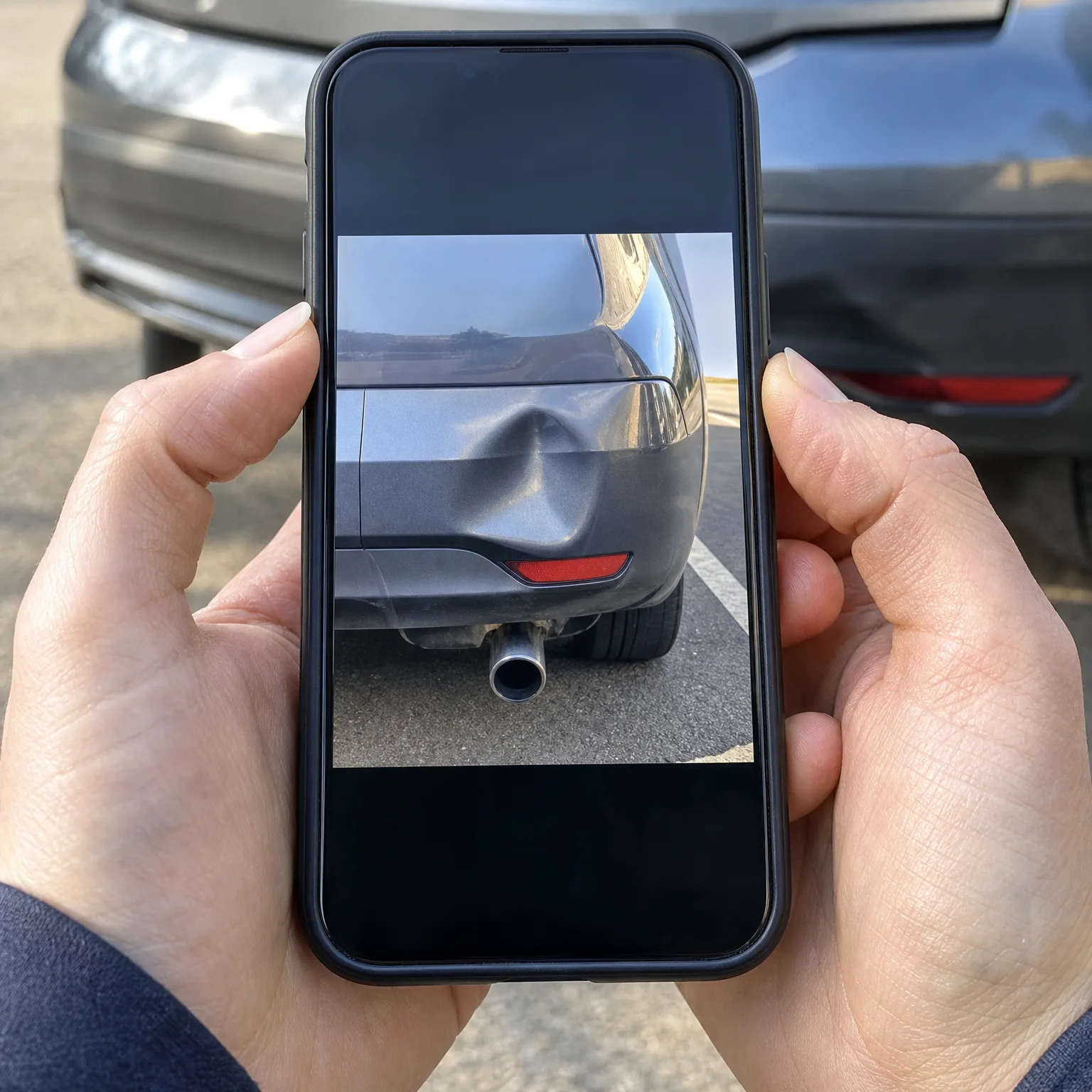
Road Trips and Spring Break Driving
Your coverage travels with the car across state lines, so a road trip doesn't change what's covered, just what's worth checking first.
Your policy follows the car, not the zip code it's registered in
Car insurance is built to travel. Whatever coverage is active on the car when you leave campus is the same coverage active when you're ten states away. There's no separate policy for road trips and no need to call anyone just because you're driving further than usual.
What changes is the situation, not the policy. A long drive means more hours on the road, more unfamiliar traffic patterns, and more chances for something to go wrong in a place you don't know. The coverage itself doesn't weaken, but the odds of needing it go up a little, which is worth knowing even if there's nothing to do about it.
Where things can actually differ is state law. Some states require specific types of coverage that your home state doesn't, and a few handle things like accident reporting or minimum coverage amounts differently. Your policy adjusts automatically to meet whatever the state you're driving in requires, so you're never under-covered just by crossing a border. You don't need to track this yourself, but it explains why an accident out of state can involve different paperwork than one at school.
The other variable is who's driving. If you're splitting the drive with roommates or friends and someone else gets behind the wheel, that's a separate question from where you're driving. Coverage for other drivers depends on your specific policy, not on the trip, so it's worth sorting out before anyone else takes the wheel, not after.
What if I get in an accident in a state I don't live in?
Your policy still applies, and the claim process works the same way it would at home. You report the accident the same way, usually through a phone call or app, and the insurer takes it from there regardless of which state you're in.
What changes is the local process around the accident itself. States differ in how they want accidents reported to police, what paperwork the other driver might hand you, and sometimes how fault gets determined. None of that affects whether you're covered. It just means the steps right after the accident might look slightly different than what you'd expect at home.
Keep your insurance card and ID on you during the trip. If something happens, take photos, exchange information, and call your insurer before you do anything else. They'll walk you through what that state needs.

Once you know your coverage travels with you, compare quotes to make sure it fits the driving you actually do.

Whether you check your coverage before a long trip
If you do
You confirm who's covered, what happens with a breakdown far from home, and whether roadside help is included. If a friend shares the driving, you know ahead of time whether they're covered too. Nothing surprises you if something goes wrong three states away, and you drive knowing exactly where you stand.
If you don't
You find out what's covered only if something happens, at the worst possible time to be learning it. A friend driving your car, a breakdown on a highway at night, or a fender bender in an unfamiliar town becomes more stressful than it needs to be, because you're guessing instead of knowing.
A few things worth settling before a long drive
- Confirm other drivers If a friend or roommate might drive at any point, check whether your policy covers them. Don't assume it does just because they're a good driver.
- Check roadside assistance Breakdowns happen more on long drives than short ones. Know whether towing and roadside help are included before you need them.
- Save your insurance card Keep a photo or app copy of your insurance info in case the physical one is left behind. You'll want it fast if you're pulled over or in an accident.
- Know your deductible If something happens, you'll want to know what you're on the hook for right away. It's easier to plan for a trip when you already know this number.
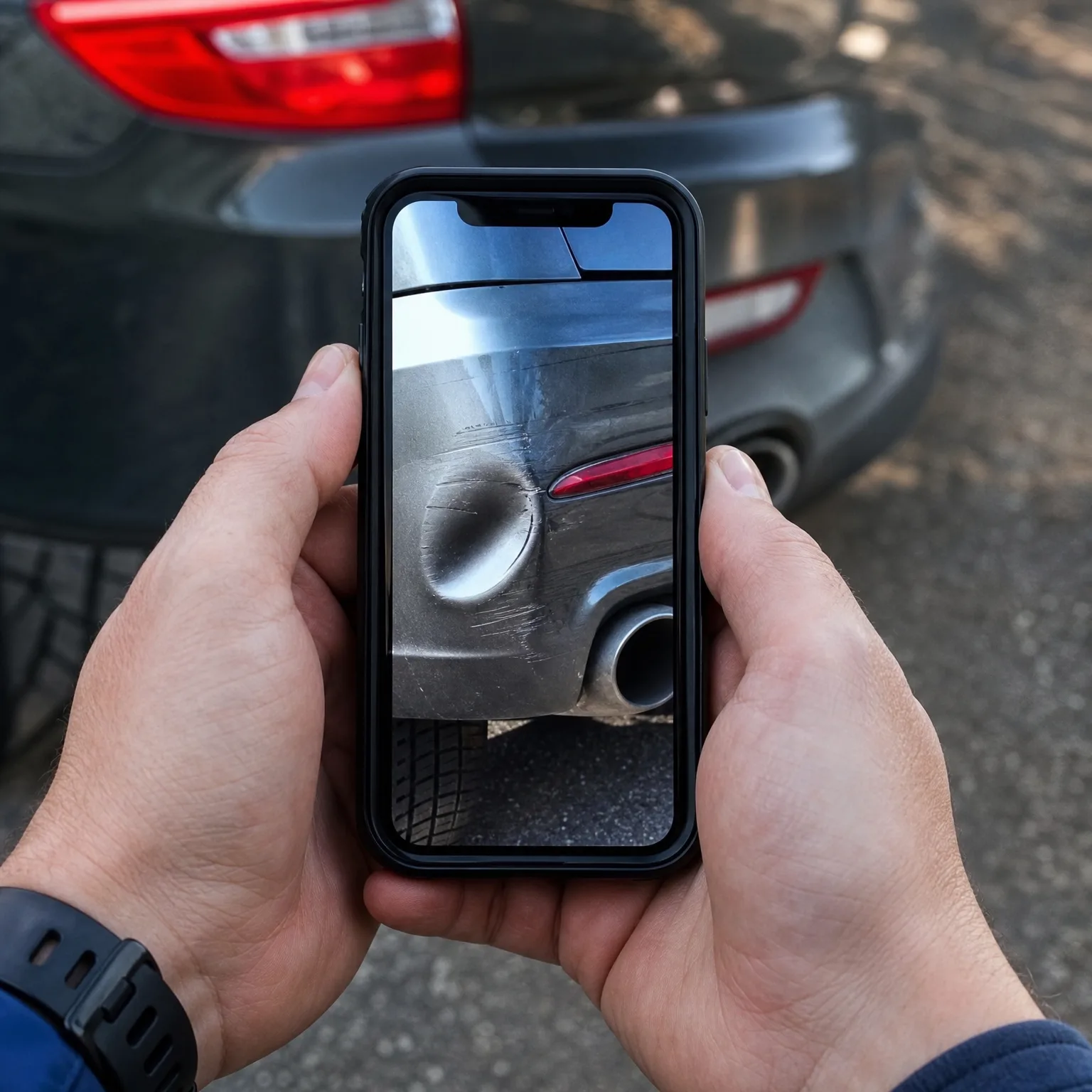
- Plan parking stops ahead Overnight stops and rest areas carry different risks than campus lots. A little extra caution about where you park can prevent a break-in or dent.
Does my insurance cover me if I rent a car for part of the trip?
It depends on your specific policy, so this is worth checking before you rent, not after. Some policies extend some coverage to rental cars, often matching whatever coverage you carry on your own car, while others don't cover rentals at all.
Credit cards sometimes offer separate rental coverage too, which can work alongside or instead of your policy. Check both your policy and any card you plan to pay with. The rental company will also offer its own coverage at the counter, which you can compare once you know what you already have.
What happens if my car breaks down far from campus?
What happens depends on whether your policy includes roadside assistance, so check this before the trip rather than during it. If it's included, you typically call a number, describe the situation, and get connected to towing or repair help nearby.
If it's not included, you're paying out of pocket for a tow truck and repairs, which gets more expensive the further you are from a town. Either way, keep your insurer's contact information somewhere easy to find, since a breakdown on an unfamiliar highway is a bad time to be searching for it.
Do I need to tell my insurer before a road trip?
No, you don't need to notify your insurer before a routine road trip or spring break drive. Coverage already follows the car across state lines without any call or paperwork.
The exception is if the trip involves something unusual, like letting someone drive who isn't normally on the policy, or if you're going to be away from campus for an extended stretch afterward. Those situations are worth a quick call, not because the trip itself requires one, but because the details around it might.