Accidents While at College
If you're in an accident at school, your family policy likely still covers you, but what you do right after matters most.
What to do depends on these things going right
- Call the police first A police report protects you if the other driver's story changes later. Even a small lot fender bender should get an officer and a written report, not a handshake deal.
- Tell your insurer where you are If your car moved with you to school, the insurer needs your current address on file. Call them before anything happens, not after, so there's no question about where you're normally parked.
- Know who's allowed to drive If a roommate or friend was behind the wheel, coverage usually depends on whether they're listed on the policy or just borrowing it occasionally. Check this before you hand over your keys, not after a crash.
- Out of state tickets still count A ticket or accident in your school's state follows you home through your driving record and your insurer. Don't assume distance from home makes it disappear.
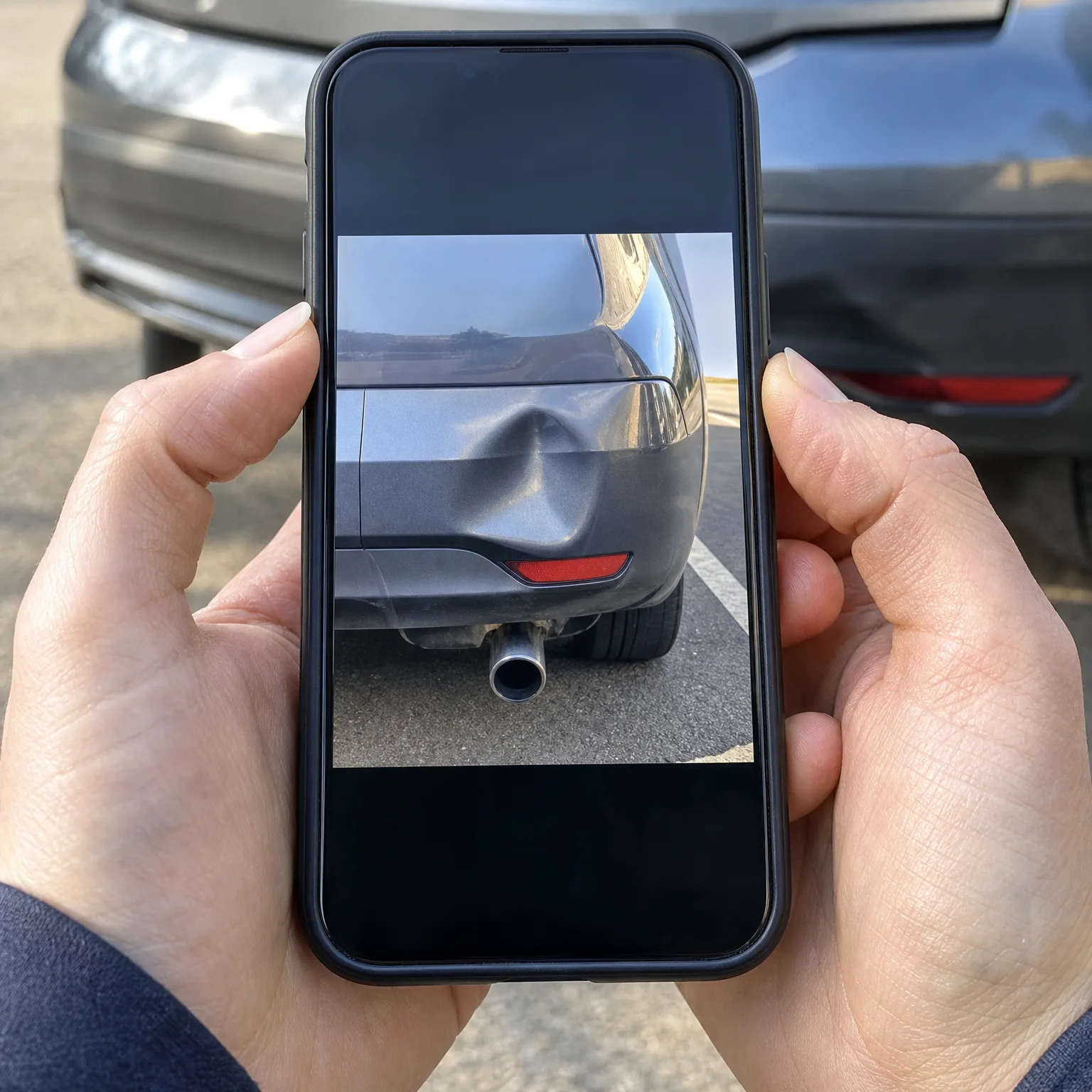
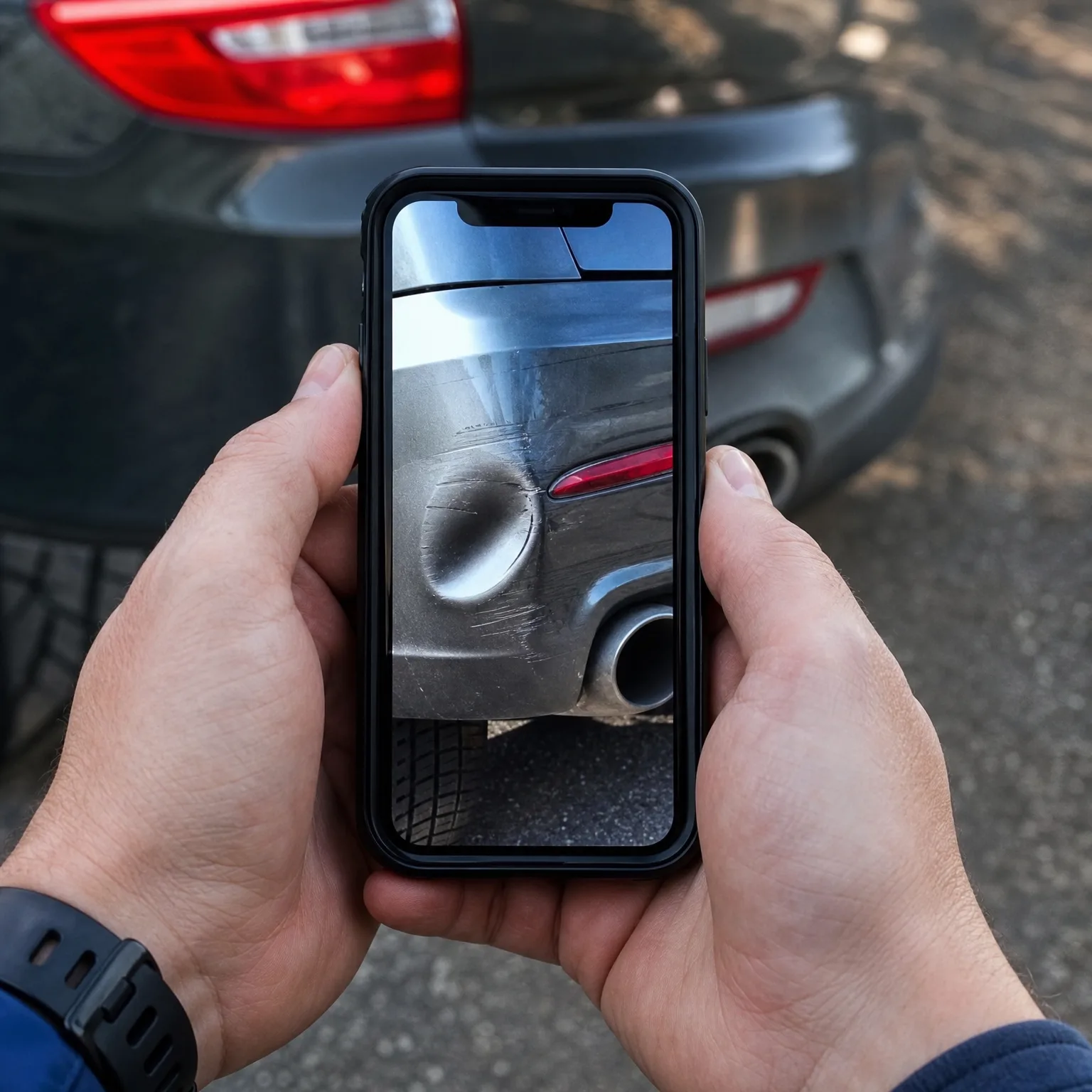
- Document everything yourself Photos, names, and the other driver's insurance info matter even if police are slow to arrive. Your own record protects you if the official report takes days to show up.
Will my parents' rates go up if I have an accident at school?
Usually yes, if the accident was your fault and you're listed on their policy. Insurers generally price the whole household together, so a claim tied to your name affects the policy everyone's on, not just your portion of it.
How much it changes depends on the insurer and the state, along with whether this is a first incident or part of a pattern. Some insurers offer forgiveness for a first accident, but that varies and isn't something to assume you have.
This is worth asking directly before anything happens, not after. Call the insurer, ask how a claim involving you specifically would affect the family's rate, and ask what protections exist. Knowing the answer ahead of time changes how you drive and how you react in the moment after a crash.

The accident itself rarely decides the outcome. What you do in the first twenty minutes does.
Once you know your coverage holds up away from home, compare quotes to see what a student driver plan costs.
A parking lot scrape that could have gone two ways
A student backs out of a spot in a crowded dining hall lot and clips a parked car. No one's around. The damage is minor, a scratch and a dent, and it would be easy to leave a note or just drive off and hope nothing comes of it.
Instead they call campus security, who contact local police. An officer writes a report confirming the student owned up to it right away, which matters later. They photograph both cars, exchange insurance information with the other owner once they return, and call their insurer that same day to start a claim. Because they reported promptly and had documentation, the claim moves without dispute. Their family's rate shifts slightly at renewal, but there's no argument about fault, no accusation of a hit and run, and no gap between what happened and what got reported. The ten extra minutes at the scene saved weeks of back and forth later.
Why an accident away from home gets treated like one at home
Insurance follows the person and the vehicle, not the address where they happen to be sitting. A policy written in your home state covers you as you travel and live elsewhere, including at school, because the contract is about who's driving and what's insured, not where the car is parked on a given night. This is true almost everywhere, though the details of what's covered can shift slightly depending on the state you're in when something happens.
What changes at school is exposure, not coverage. More strangers walk past your car in a campus lot than in your home driveway. More people might ask to borrow it. You're more likely to be unfamiliar with local roads, parking rules, and towing practices. None of that changes whether your policy applies, but it changes how often you'll need it to.
Where things get complicated is who else is driving and where the car is actually garaged most of the year. If you've relocated the car to school for most of the year, insurers often want to know that, because it affects how they assess risk. Not telling them doesn't void your coverage automatically, but it can create problems if a claim reveals the car was garaged somewhere you never disclosed.
The cases that work out differently usually involve someone not listed on the policy driving the car, or an accident that reveals an address mismatch the insurer didn't know about. Those are solvable problems if you handle them ahead of time by asking direct questions, not problems you want to discover for the first time while filing a claim.