Car Insurance for College Students
Most college students stay on a parent's policy while at school, but you still need to tell the insurer where the car actually lives.

What actually matters for coverage at school
- Tell the insurer you moved Insurers set rates partly on where a car is kept overnight, so a campus address can change your coverage or cost. Call and tell them the car's new location even if you're staying on a family policy.
- Check the distance rule Some policies only keep a student on a family plan if the school is far enough from home. Ask the insurer directly what distance applies to you, since this varies by company.
- Know who else can drive it A roommate or friend borrowing the car may not be covered if they're not listed on the policy. Ask what happens if someone outside the household drives it, before it happens.
- Ask about a student discount Many insurers lower rates for students with a strong academic record or who leave the car at home. Ask specifically, since it won't always be offered automatically.
- Decide about a parked car Leaving the car at your permanent address can lower cost and simplify coverage, but it may still need to stay insured if it sits unused. Ask the insurer what minimum coverage applies to a parked car.

A fender bender in a campus parking lot
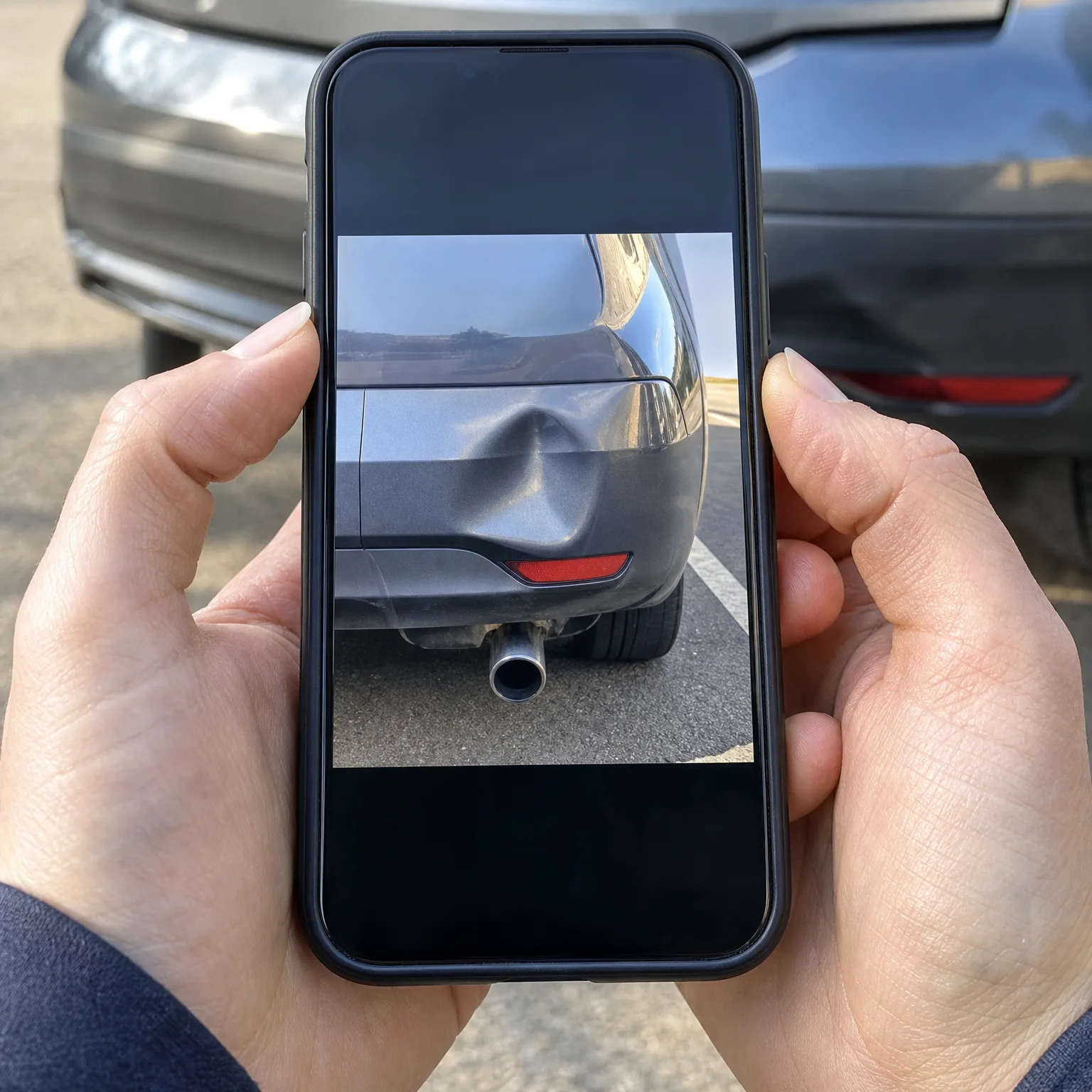
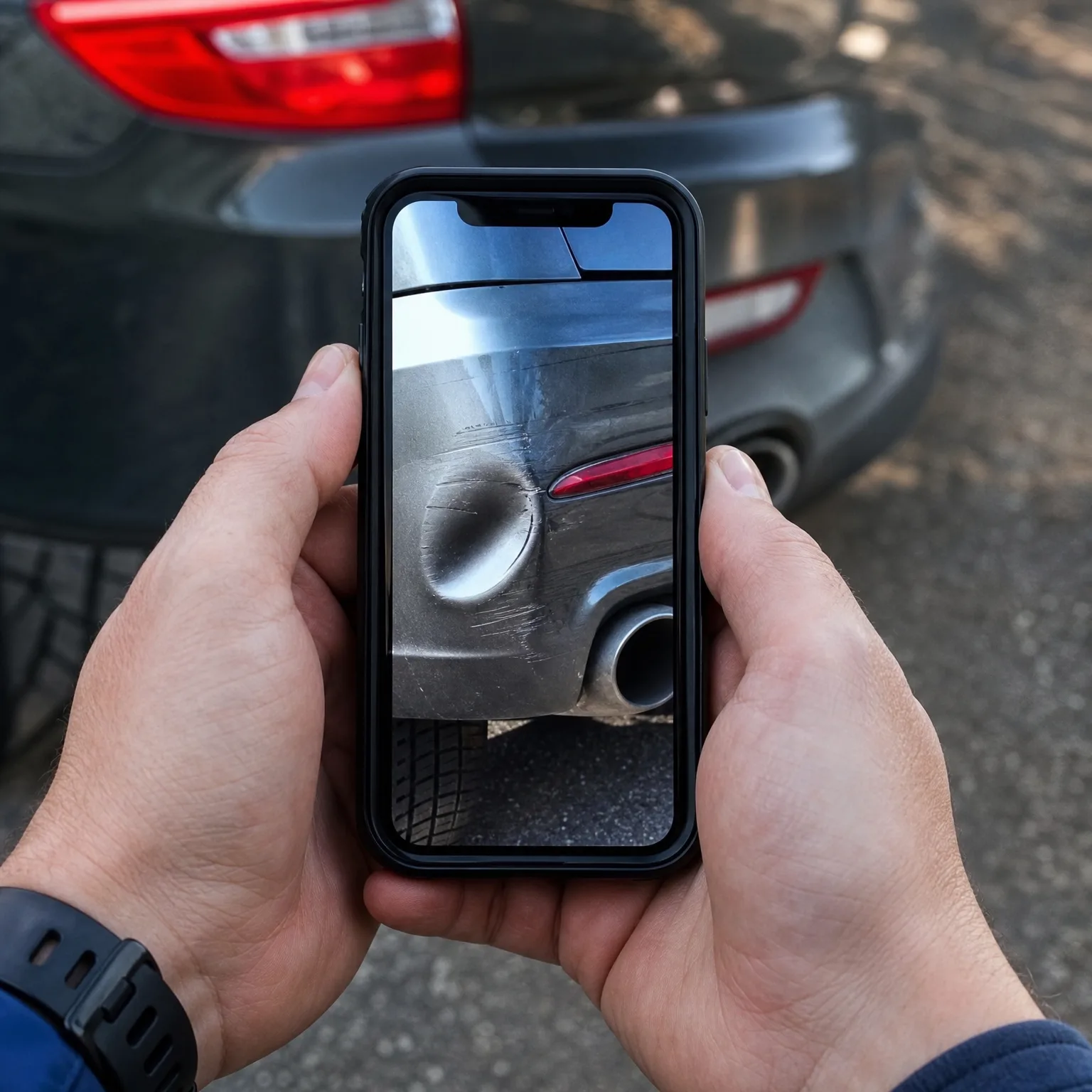
A student named in this situation backed into another car while leaving a dorm lot. No one was hurt, but both bumpers were damaged. The student panicked, not sure if calling campus security or the insurer came first, and unsure whether the family policy even covered something that happened two states from home.
The right first step was the insurer, not campus security, since security can't settle damage claims. The student called the number on the insurance card, gave the location and details, and learned the family policy did cover the accident because the car was still registered and listed under the family address. The insurer walked through the claim over the phone, arranged repair estimates, and confirmed the deductible. The whole process took about a week, and the student's main lesson was realizing how little they'd known about what the policy covered until they actually needed it.

Telling the insurer your car is at school
If you do
The insurer updates where the car is kept and confirms what's covered away from home. If a campus address affects your rate, you'll know upfront instead of during a claim. You can also ask about student discounts and confirm who's allowed to drive the car.
If you don't
Your policy still technically applies, but the insurer may question an address mismatch if you ever file a claim. You won't know if your campus location affects coverage or cost. You could also miss a discount you'd otherwise qualify for.
Once you know how your coverage works at school, compare quotes to see if you're paying the right amount for it.

What happens if I get in an accident in a state I don't live in?
Your coverage still applies. Car insurance follows the car and the policy, not the state you're physically in, so an accident in another state is handled the same way as one at home.
What can differ is which state's minimum coverage rules apply if you're at fault, since some states require different minimums than others. Most policies automatically adjust to meet whatever the local state requires, so you're not left without protection. Still, check with your insurer if you'll be driving regularly in a state other than where the car is registered, since rules about reporting that address can vary.
The real risk isn't driving at school, it's leaving your insurer guessing about where your car actually lives.