Taking a Car to College
If you're bringing a car to school, the car's primary location changes, and your insurer needs to know that before anything happens to it.
Your policy follows the car's address, not just your name
Car insurance is priced and written around where a car actually lives, because that location drives most of the risk an insurer takes on. Parking density, theft rates, weather, and typical commute distance all shift when a car moves from a home driveway to a campus lot. That's why bringing a car to school counts as a real change, even if you're still listed as a driver on the same family policy.
Most insurers still let a student be covered under a parent's policy, sometimes at a different rate, as long as the car's new primary location is reported accurately. The key word is reported. Insurers find out where a car usually sits through what you tell them, and if a claim happens somewhere that doesn't match what's on file, that mismatch can slow things down or change what's covered.
What counts as a meaningful change varies by insurer and by state, so you can't assume your situation is too minor to mention. A short distance from home might not matter much, while an out of state school almost always does. Some insurers treat a student away at school without a car differently than one who brings it, so the honest move is to describe your actual situation and let them tell you what applies.
The cases where this gets complicated are when the car is titled in your name, when you're added as a primary driver instead of an occasional one, or when the school is in a different state than the policy. Any of those can change which state's rules apply, what's required, and what the policy actually pays out if something happens.
The short version
Bringing a car to college changes where it's primarily kept, and that's something your insurer needs to know, not guess. Say so plainly when you report it, since coverage and cost both depend on accuracy here. Call the insurer, describe your actual situation, and let them tell you what changes.
Do I need my own policy if I bring a car to school?
Not automatically. Many students bringing a car to college stay on a parent's policy, especially if the car is still titled to a parent and you're added as a driver rather than the owner. What matters more than age is who owns the car and whose name is on the title, because insurers generally expect the policyholder and the registered owner to line up.
That said, some situations do call for a separate policy, like when the car is titled in the student's name only, or when a parent's insurer won't cover a car kept primarily out of state. The way to find out is to call and describe exactly who owns the car, who drives it, and where it's kept most of the year. The answer depends on those details, not on being a certain age or living a certain distance from home.
Once you know how your car should be reported and covered at school, compare quotes to see what that actually costs.
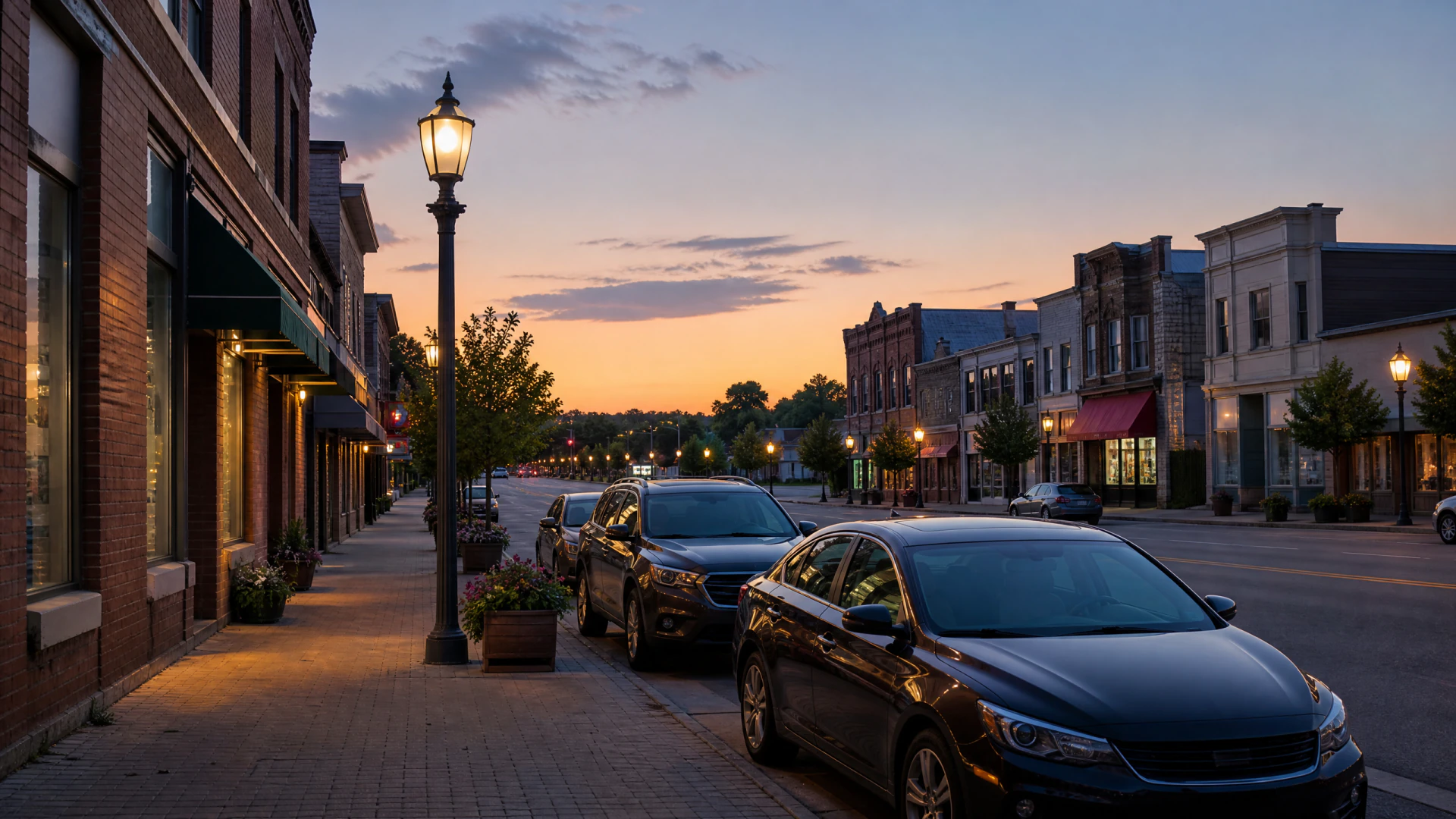
A student driving a parent's car to an out of state school
A sophomore had been driving her mom's older sedan at home and decided to bring it to school for the first time, at a university two states away. She assumed nothing needed to change since the car and the policy were both still in her mother's name, and she was already listed as a driver. A few weeks into the semester, the car was broken into in a parking garage near her dorm, and when her mother filed the claim, the insurer asked where the car was usually kept.
Because the car's actual location hadn't been updated, the claim took longer to process while the insurer confirmed the details and adjusted the policy to reflect where the car was really garaged. The claim was eventually covered, but her mother had to go back and update the policy immediately afterward, and the rate changed once the new location was on file. Looking back, a single call at the start of the semester, telling the insurer the car had moved to school, would have avoided the delay and let them know upfront exactly what they were covering.
The car's real location matters more than whose name is on it, so report it before something happens.