How to Get Car Insurance for the First Time
Getting insurance for the first time means deciding family policy or your own, then matching coverage to where your car really is.
The system is built around where your car lives and who owns it
Car insurance follows the car and the people who regularly drive it. An insurer wants to know where the car is kept overnight, who's behind the wheel most often, and whose name is on the title. That's why your situation as a student creates real questions. If you brought a car to school in another state, the address the policy lists might not match where the car actually spends most of its time anymore, and that gap matters more than people expect.
Staying on a parent's policy usually works fine if you're still considered a dependent and the car is still garaged at the family home most of the year. Insurers generally expect you to tell them when a covered driver moves away with the car for school, even temporarily, because it changes the risk they're pricing. Leaving that detail out doesn't void anything automatically, but it can create problems later if you ever need to file a claim and the details on file don't match reality.
If the car stays at home while you're away, the calculation flips. Some insurers offer a reduced rate or a different classification for a driver who's away at school without a car, since the risk of daily driving drops. Whether that applies depends on the insurer and sometimes the state, so it's worth asking directly rather than assuming it's automatic.
Getting your own policy makes sense once you're financially independent, once the car is titled in your name, or once the family policy doesn't fit your situation anymore. Being new to insurance doesn't mean you're stuck with high costs forever. Rates adjust as you build a driving history, so the choice you make now is a starting point, not a permanent one.

A student bringing a car to an out-of-state school
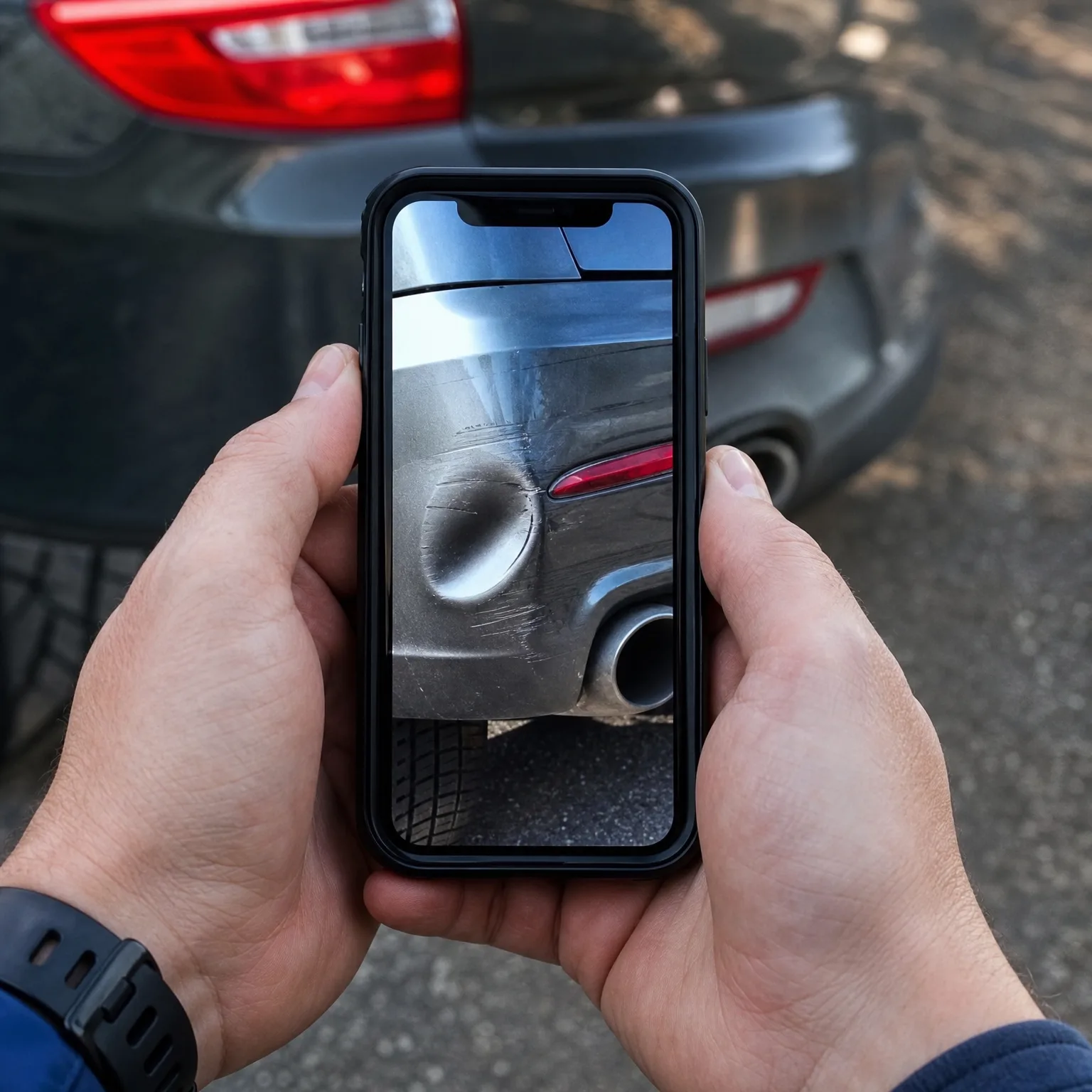
A sophomore drives her own car to school in a different state from where her parents live and where the car is registered. She's listed as a driver on her parents' policy, and the car has been garaged at home for years. Before move-in, she calls the insurer to ask what changes once the car is parked at school most of the year instead of at home. The agent asks where the car will be kept, how often she drives it, and whether her address on file needs updating.
She learns that because the car is still titled and registered through her parents, and she's still a dependent, she can usually stay on the family policy, but the insurer needs to know the car's new primary location since that can affect coverage details and sometimes the rate. She updates that information, confirms the policy's coverage applies in the state where she now keeps the car, and asks what to do if she gets in an accident in a campus lot. Knowing the policy is accurate gives her one less thing to worry about once classes start.
Should you get your own policy or stay on your parents'?
Stay on your parents' policy if you're still a dependent, the car is still tied to their household, and your name isn't the only one on the title. It's usually cheaper, since a single policy covering an experienced driver and a newer one costs less than two separate ones.
Get your own policy once you're financially independent, the car is titled solely in your name, or your parents' insurer won't cover a driver living out of state long-term. Some students end up needing their own policy simply because the family insurer doesn't operate where the school is. If you're not sure which situation you're in, a quick call to the insurer will tell you plainly, since they're the ones who decide what the policy actually allows.
Once you know which policy fits your situation, compare quotes to see what that choice actually costs.

Telling the insurer you moved for school
If you do
They update your address and the car's location, confirm coverage applies where you actually are, and flag any discount for being away without a car. If something happens, like a break-in or a parking lot accident, the claim matches what's on file, so there's no question about whether it's covered.
If you don't
Your policy still lists an address that doesn't match reality. If you file a claim at school, the insurer may ask questions about where the car is actually kept, which can slow things down or create disputes. You also miss out on any discount tied to being away at school.
What to sort out before classes start
- Confirm whose policy you're on Check with your parents or the insurer directly rather than assuming. This decides everything else, including what you need to update and who to call if something happens.
- Update the car's location If you brought a car to school, its main location may have changed even if the title hasn't. Update this so coverage and claims match where you really are.
- Ask about student discounts Some insurers reduce rates for students who leave a car at home or maintain good grades. Ask directly since this isn't automatic and varies by insurer.
- Check coverage for other drivers A roommate or friend borrowing your car may or may not be covered. Ask the insurer what their policy says about occasional drivers before it becomes a problem.
- Carry proof of coverage A ticket or accident in a state you don't live in is easier to handle if you can show valid proof immediately. Keep a digital and physical copy on hand.
Can I use my parents' car insurance if I go to school in a different state?
Usually yes, as long as you're still a dependent and the car is still considered part of the family household. What matters most is telling the insurer the car's new primary location if you brought it with you, since coverage and rates can depend on that. If your parents' insurer doesn't operate in your school's state at all, that's when you'd need your own policy instead. Call and ask directly, since this varies by insurer and sometimes by state.
What happens if my car gets broken into in a campus parking lot?
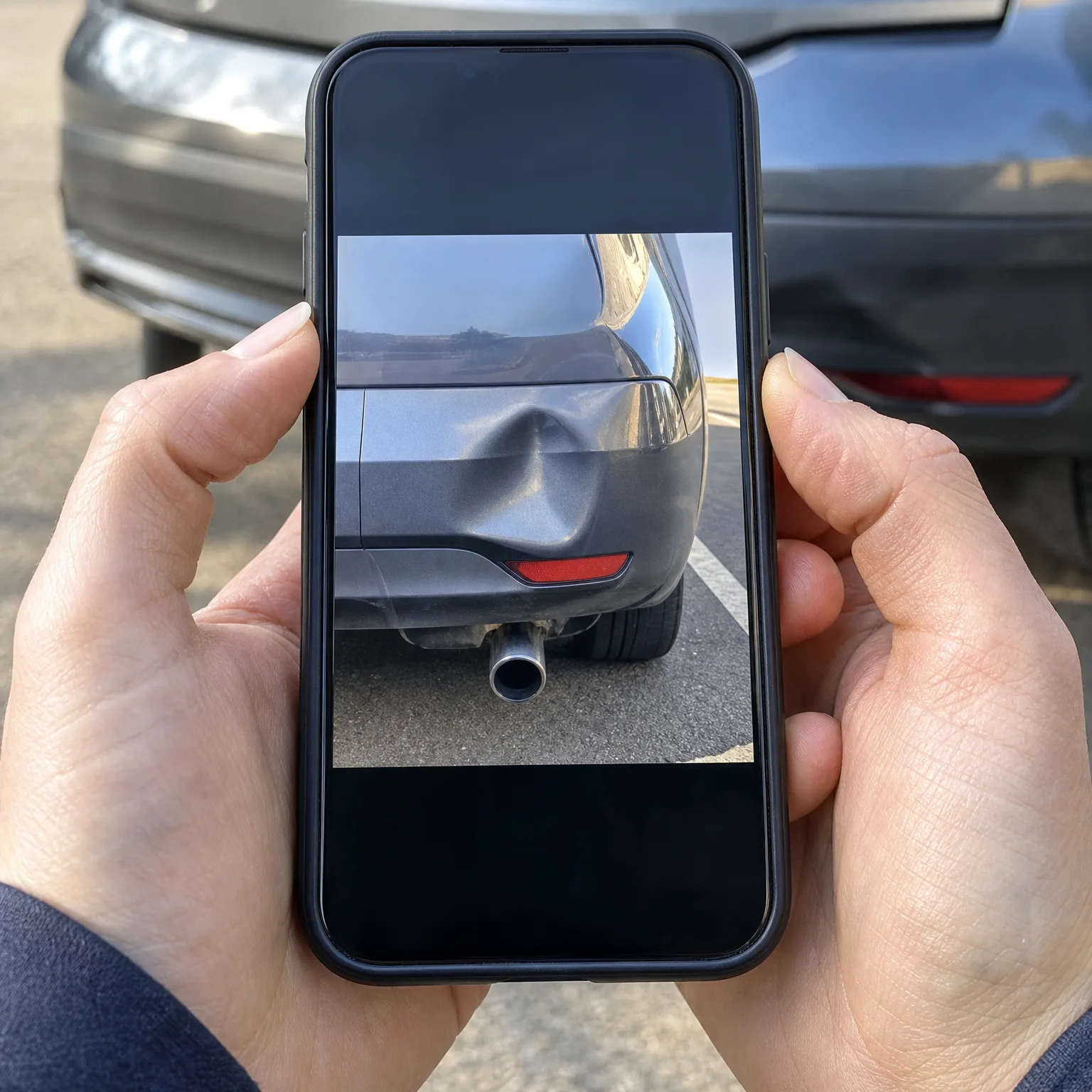
Whether it's covered depends on whether the policy includes comprehensive coverage, which handles theft and damage unrelated to a collision. If it's on the policy, you'd file a claim the same way you would anywhere else, though you may need to show the car's actual location matches what's on file. If comprehensive isn't included, repairs or replacement come out of pocket. Check what your policy includes before an incident happens, not after.
Do I need a different policy if I get a ticket in another state?
No, a single ticket in another state doesn't require a new policy. Your coverage generally follows you across state lines as long as the policy is active. What can change is how the ticket affects your record and your rate, since that depends on the state where it happened and your insurer's rules. Pay attention to the deadline on the ticket itself and ask your insurer whether it affects your coverage going forward.