Do Food Delivery Drivers Need Insurance
Yes, you need coverage that specifically includes delivery driving, because a standard personal policy usually excludes it.
Personal policies are written for personal driving, not paid trips
Car insurance is priced and written around how a car gets used. A personal policy assumes you drive to work, run errands, and visit people, not that you drive in loops carrying food for pay. Insurers treat delivery driving as commercial use because it raises how often you're on the road and how much risk they're taking on. That's why most personal policies either exclude delivery work outright or let the insurer deny a claim once they find out that's what you were doing.
The tricky part is that the exclusion often doesn't show up until you file a claim. You could pay premiums for months with no issue, then have a claim denied the one time you're in a crash while delivering, because the insurer discovers you were working at the time. The policy was never covering that activity, you just hadn't needed to test it yet.
This is also why delivery apps offer their own insurance layer, usually tied to the time you're logged into the app. But that coverage is often limited, especially in the gap between accepting a job and actually picking up the order, and it may only apply after your personal insurer denies the claim. Check your app's coverage terms directly, since they vary by company and can change.
What fixes this gap varies by state and insurer. Some insurers sell an add-on for delivery or rideshare use, others require a full commercial or business-use policy, and some won't cover delivery driving at all. Call your insurer, tell them exactly what you do, and ask what they offer. Don't assume silence means you're covered.
A driver finds out the gap exists before it costs them anything
A college student started delivering food on weekends using their own car, still insured under a personal policy. They assumed that because the car was insured, they were covered no matter why they were driving it. Before their first shift, a roommate who'd done gig work mentioned that delivery driving isn't automatically covered, which sent them looking into their actual policy wording.
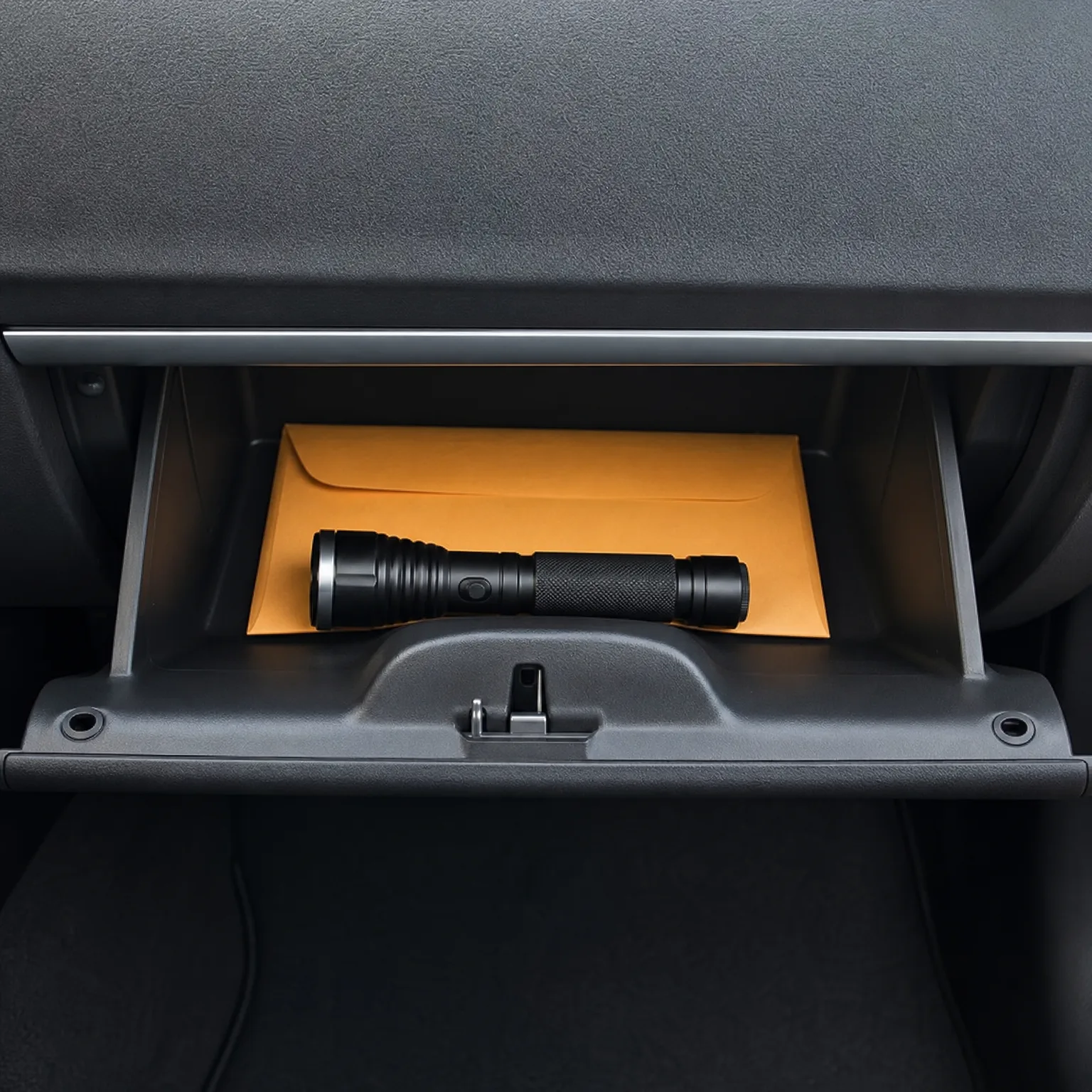
They called their insurer and asked directly whether delivery driving was covered. The agent confirmed it wasn't, and explained the options, an add-on endorsement for delivery use. The student added it for a modest cost increase and kept proof of the endorsement in their glovebox. A few weeks later they were rear-ended while waiting outside a restaurant for an order. Because the endorsement was active, the claim went through without a fight about why they were on the road that night.
What happens if I get in an accident without telling my insurer I deliver?
Your insurer can investigate any claim, and delivery work tends to surface through app records, witness statements, or even your own account of the crash. If they find you were delivering at the time and your policy excludes that use, they can deny the claim entirely, leaving you responsible for damage, medical costs, and any damage to the other vehicle.
This is different from a small, undisclosed detail that wouldn't matter. Delivery driving changes how and how often you drive, which is exactly the kind of use insurers price for separately. If you're found to have misrepresented your car's use when you bought the policy, the insurer may also cancel it going forward, not just deny that one claim. Telling them upfront protects you either way.
Now that you know delivery work needs its own coverage, compare quotes for a policy that actually protects you.

Does my car insurance cover me if I only deliver occasionally?
Usually not, because most policies don't distinguish between occasional and regular delivery work, they just exclude delivery driving as an activity. Even one trip can be enough to trigger a denial if a claim happens during it. Check your policy's language on business or delivery use, and ask your insurer directly if occasional work changes anything, since a few insurers do make that distinction.
Will adding delivery coverage make my insurance a lot more expensive?
It depends on your insurer, your driving history, and how much you deliver, so there's no single answer. What's true everywhere is that the cost of proper coverage is usually far less than paying out of pocket for an accident during a denied claim. Ask your insurer for a quote on the specific add-on or policy change before deciding whether to deliver at all.
Does the delivery app's insurance cover me instead of my own policy?
Sometimes, but only while you're logged into the app and often only after your personal insurer denies the claim first. Coverage details and timing gaps vary by app and can change without much notice. Read your app's current insurance terms directly and don't assume it replaces the need for your own coverage.
The real risk isn't crashing, it's learning mid-claim that your policy never covered the drive you were on.