How Do I Avoid an Insurance Lapse
You avoid a lapse by keeping a policy active on paper every single day, even on days you're not driving.
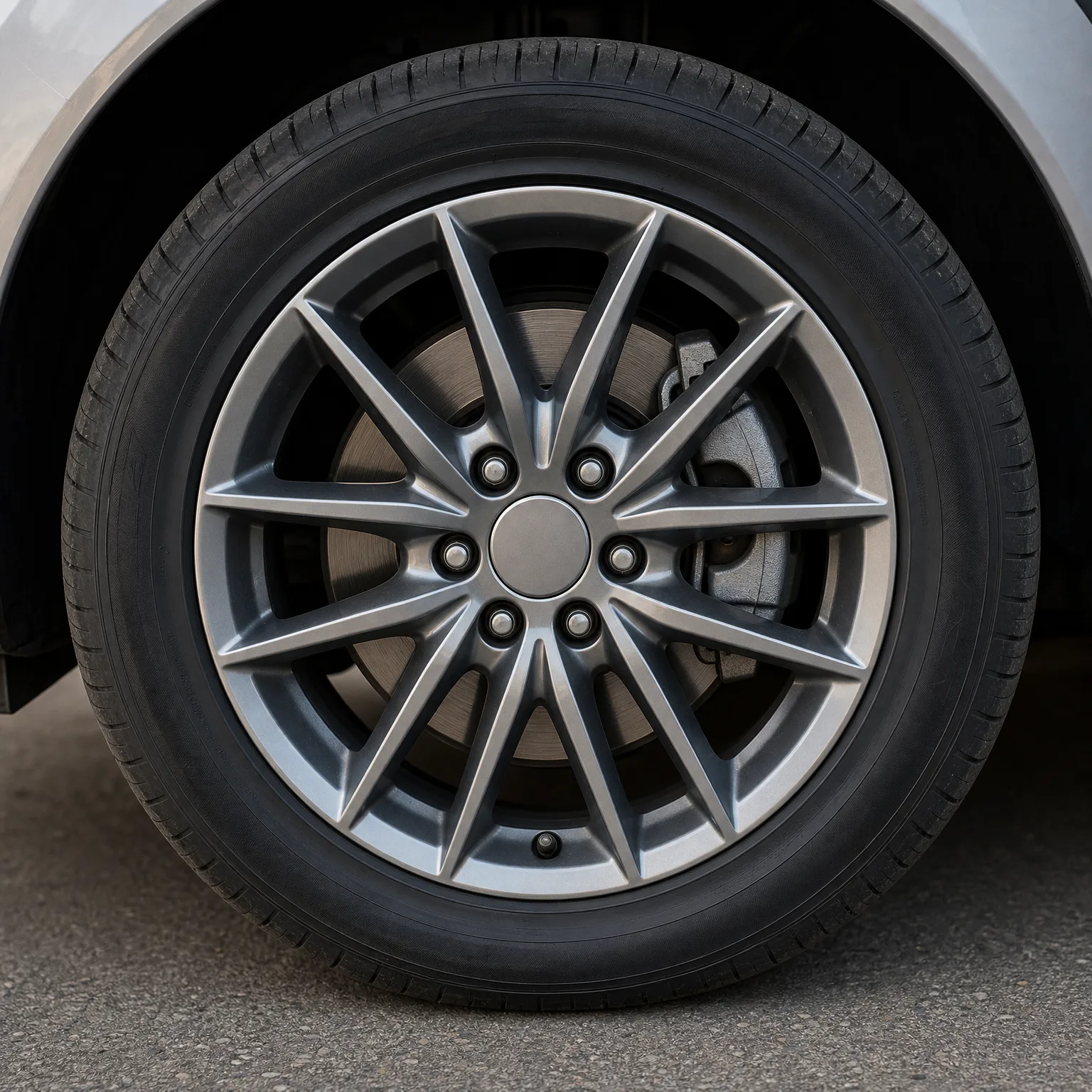
When a car sat parked all semester
A student drove to school in the fall, then decided the car was more trouble than it was worth. She called her parent, who held the policy, and asked about dropping it since the car would sit in a campus lot all spring. Instead of canceling, they looked at lowering the coverage to the minimum the state allowed for a parked, unused vehicle, and confirmed the policy still counted as active with the insurer.
That mattered a few months later when she needed proof of continuous coverage to add a different car after graduation. Because the policy never actually lapsed, just shrank, her coverage history stayed intact. If they had canceled instead, even for a semester with no driving at all, she would have shown a gap on paper, and that gap would have followed her into her next policy. The fix cost her almost nothing and saved her a problem she didn't know to expect.

The short version
You avoid a lapse by never letting a policy end before another one starts, even for a day. The main risk is canceling too early when you switch cars, states, or insurers. Before you cancel anything, confirm the new policy's start date in writing first.
What if I genuinely don't need a car for a while?
You still don't want a true lapse on your record, even if you're not driving at all. If you won't need the car for months, the better move is usually to lower coverage to the state minimum for a stored, undriven vehicle rather than canceling the policy outright. That keeps your coverage history continuous.
If you truly have no car and no plans to drive one, some insurers offer a non-owner policy just to preserve your continuous coverage record. It's not required everywhere and isn't always worth the cost, so check whether your state or insurer treats a short gap harshly before you decide. The right call depends on how long the gap would be and how much a broken coverage history would raise your cost later.
Once you've settled how you'll keep coverage continuous, compare quotes to see what that coverage will cost you.
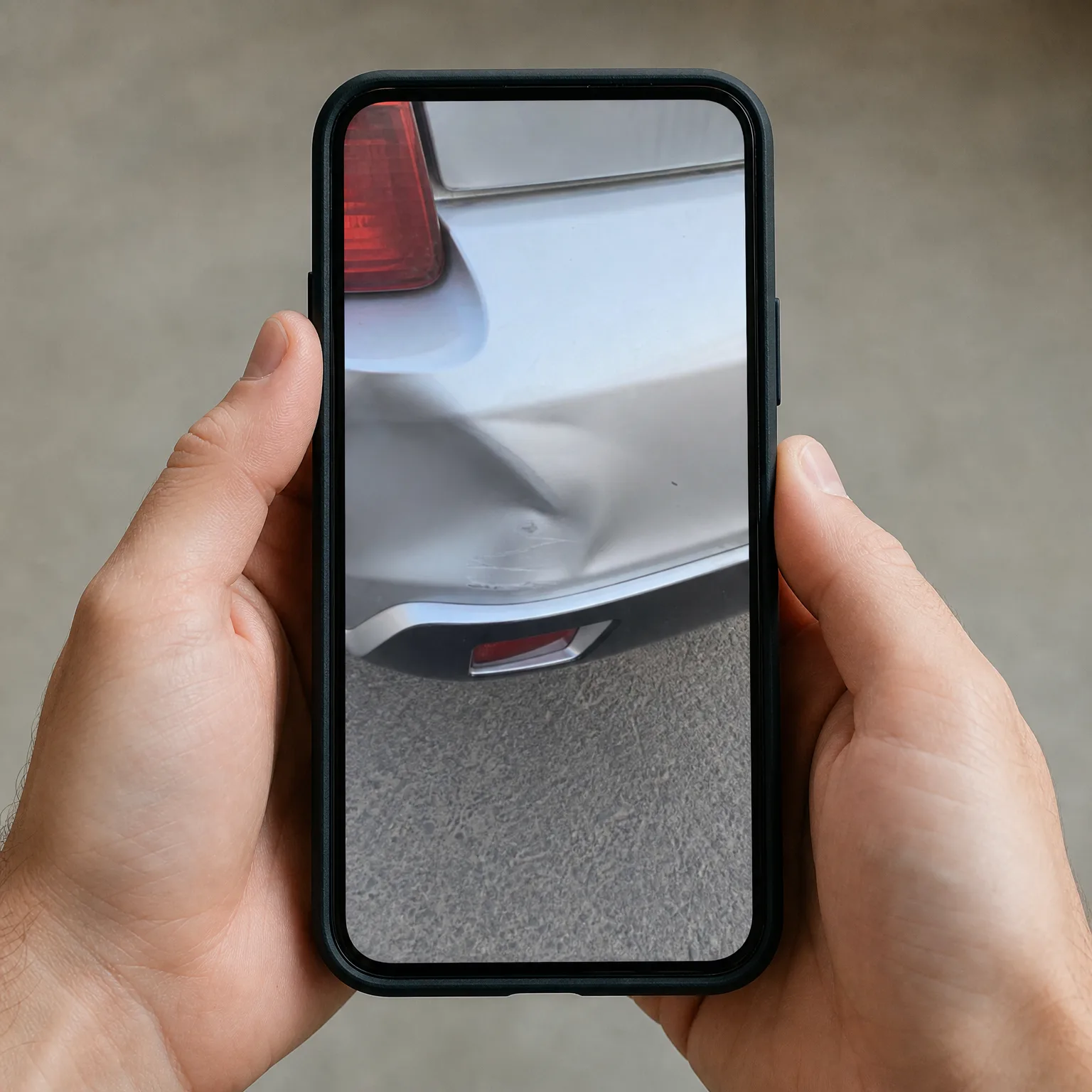
The moves that actually prevent a lapse
- Confirm the new start date Before you cancel any policy, get the new policy's effective date in writing. Never cancel the old one until the new one is confirmed active.
- Tell your insurer you moved If you're bringing a car to school or leaving one there, let the insurer know your new address. Staying quiet can create confusion about where the car is actually kept, which matters more than when you switch.
- Watch loan coverage rules If the car is financed, the lender requires continuous coverage and will add their own costly policy the moment yours lapses. Check your loan terms for exactly what proof they require.
- Put payments on autopay A missed payment is the most common accidental cause of a lapse. Put the premium on autopay or calendar the due date so a forgotten bill doesn't cancel you.
- Reduce, don't cancel, coverage If the car won't be driven for a while, ask about lowering coverage instead of canceling it. A reduced policy still counts as continuous; a canceled one does not.
A lapse isn't about missing a payment, it's about any day with zero active policy, even one you didn't notice.
Does a lapse show up if I switch insurance companies mid-year?
It only shows up if there's an actual gap between when the old policy ends and the new one starts. Switching companies itself doesn't cause a lapse. The danger is canceling the old policy before the new one's start date is confirmed. Always get the new policy's effective date in writing, then cancel the old one for a date on or after that, never before.
Will my rates go up right away if I have a short lapse?
Not always immediately, but a lapse usually raises what you pay the next time you buy or renew a policy. Insurers check continuous coverage history when pricing a new policy, and a gap can make you look riskier even if nothing happened during it. How much it affects you depends on the insurer and how long the gap was, so ask directly if you're worried about a specific gap.
What happens if my parents' policy lapses and I'm still listed on it?
You lose coverage the same moment they do, since a listed driver has no separate policy of their own. This is why it matters to know who's actually paying the bill and whether it's on autopay. If you're relying on a parent's policy from school, it's worth directly confirming with them, and maybe the insurer, that it's current and in good standing.