How to Stop Car Window Break Ins
Keep valuables out of sight, park in lit and busy spots, and skip the temptation of a visible target.
Thieves look for an easy, fast payoff, not a challenge
Most break ins at school aren't planned around your specific car. Someone walks a lot, sees something worth grabbing through the glass, and takes thirty seconds to break in and leave. That means the single biggest factor is what's visible from outside, not the lock or the alarm.
Lighting and foot traffic matter because they add risk for the thief. A car parked under a light, near a building entrance, or on a street with people around is a worse bet than one tucked in a dark corner of a lot. Campus lots emptied out at night, or structures with blind corners, tend to see more of this than spots near dorms or dining halls.
Alarms and etched glass help some, but they mostly work by making noise or slowing someone down, not by making the car impossible to target. A thief who sees a laptop bag on the seat usually isn't thinking about the alarm until after it's already going off. The car itself, the model, the locks, barely factors in. What's inside and how visible it is matters far more.
Where this changes is if you're in an area with a known pattern of car break ins, which some campus security offices track. If that's true for your school, ask them directly, since patrols, cameras, and parking recommendations can shift based on it.
What actually lowers your risk
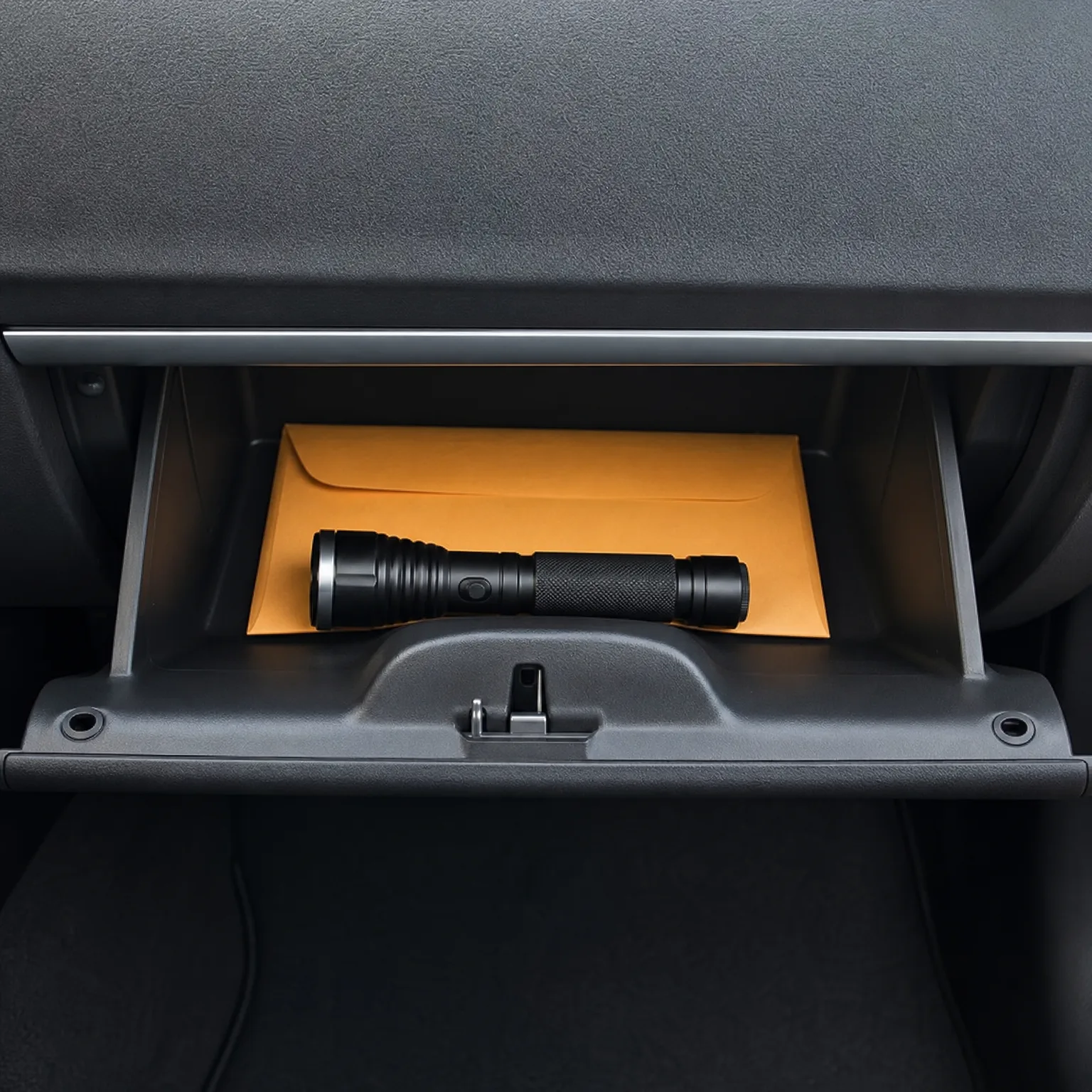
- Keep the interior empty Nothing visible means nothing worth breaking in for. Put bags, electronics, and even chargers out of sight before you walk away, every time.
- Choose lit, busy parking A visible spot near people or lights is a worse bet for a thief than a dark corner. Pick the safer spot even if it means a longer walk.
- Use a visible deterrent A steering wheel lock or dash cam sticker signals effort and risk to a thief scanning for an easy car. It won't stop everyone, but it changes the odds.
- Skip static window decals Parking passes and stickers can signal which students are far from home or on a tight schedule. Where possible, keep them removable or less identifying.
- Report patterns to security If break ins are happening in a specific lot or structure, security needs to know to adjust patrols. Tell them what you saw, even if nothing was taken.

Whether you report a break in to your insurer
If you do
You file a claim, pay whatever applies on your policy, and the window and anything stolen can get covered depending on your coverage. Comprehensive coverage is usually what pays for broken glass and theft, not liability. Check your policy to confirm you have it before assuming it applies.
If you don't
You pay for the window and any stolen items yourself, right away, out of pocket. You keep this off your claims history, which some drivers want if the cost is small. For a real break in though, most people find the full cost adds up to more than expected once glass and replacements are counted.
Once you know how to park and what to keep out of sight, compare quotes to see what comprehensive coverage would cost.
Does comprehensive coverage pay for a broken car window?
Usually yes, since comprehensive coverage is built for damage from theft, vandalism, and break ins, not crashes. Liability coverage won't help here. Check your policy or declarations page to confirm you carry comprehensive, since some drivers only have liability and assume more is included. If you're on a family policy, ask what the comprehensive coverage actually covers while you're away at school.
Is it worth filing a claim for a broken window?
It depends on the repair cost compared to what you'd pay out of pocket under your policy, which varies by insurer. A claim makes sense if the glass and any stolen items add up to meaningfully more than that amount. If it's close, filing can still raise what you pay going forward, so weigh the one time cost against that before deciding.
Does campus parking affect my car insurance rate?
It can, since insurers sometimes price based on where a car is usually parked overnight, which could be your school address instead of home. This varies by insurer and by state, so ask directly whether your policy reflects your school location. If it doesn't and something happens there, that mismatch could matter when you file a claim.

The locks and alarms matter less than what a thief can see. Control that and you control most of your risk.