Parking on Campus and Car Damage
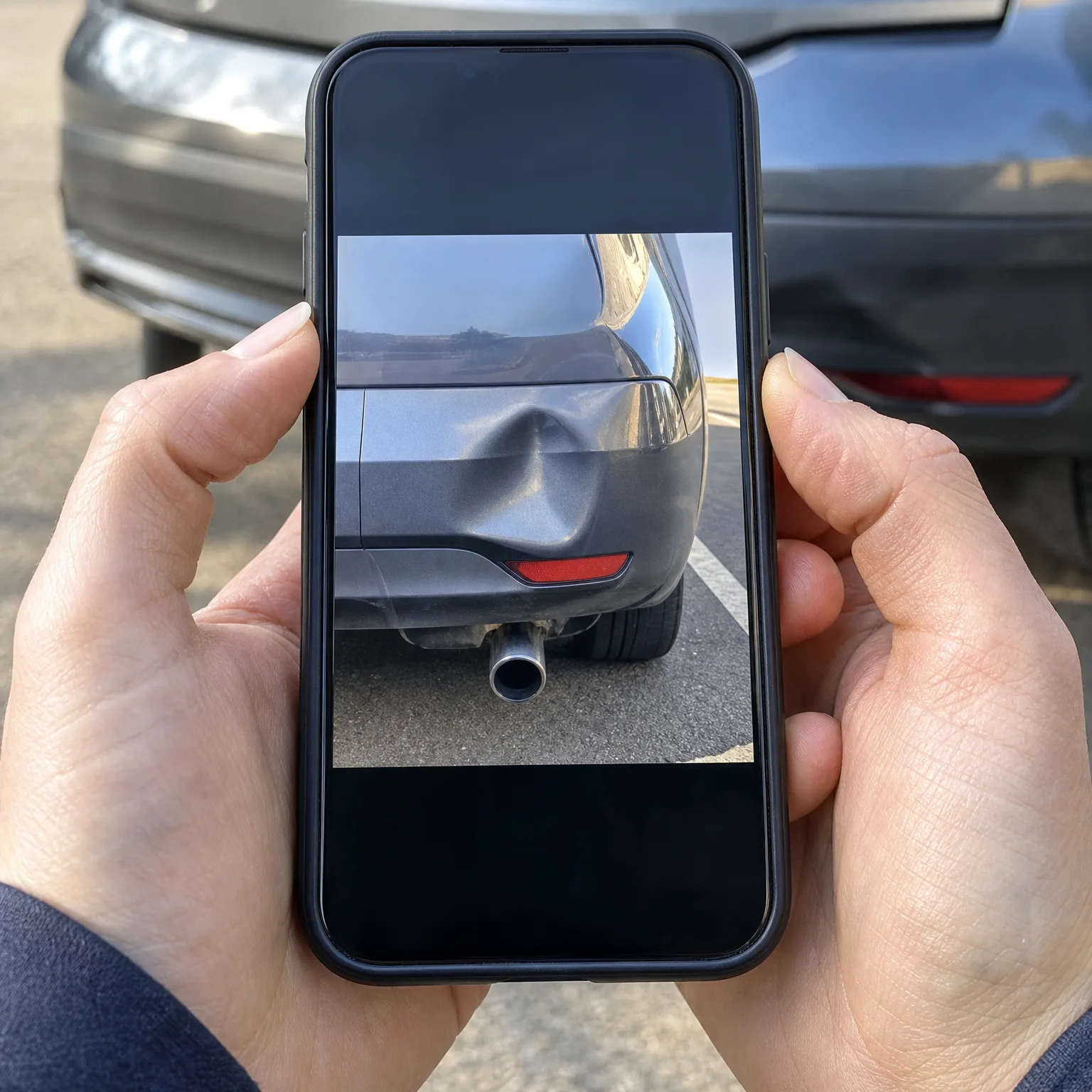
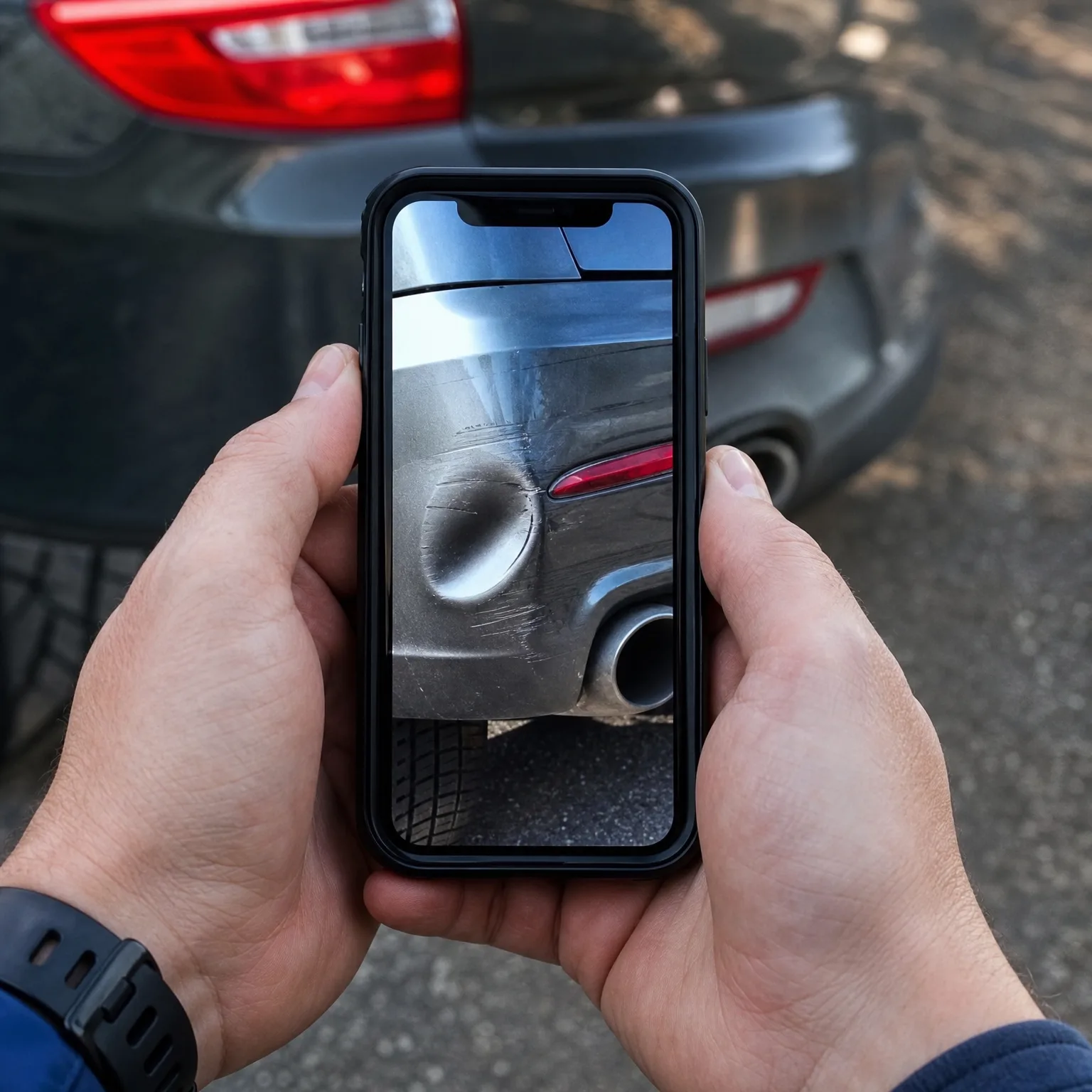
If your car carries comprehensive and collision coverage, damage in a campus lot is covered the same as damage anywhere else.
Coverage follows the car and the policy, not the location
Car insurance doesn't change based on where your car happens to be parked. If your policy has collision coverage, a fender bender in a campus lot is handled the same way as one in any other parking lot. If it has comprehensive coverage, a break-in, vandalism, or a tree branch falling on your car works the same way too. Campus parking isn't a special category that insurers treat differently.
What actually matters is which coverages are on the policy in the first place. A lot of the worry about campus parking really comes down to not knowing whether collision and comprehensive are even included, especially if you're on a family policy and didn't set it up yourself. Liability-only coverage, which some older or lower-value cars carry, won't pay for damage to your own car no matter where it happens.
Location can matter indirectly. Some insurers ask where a car is mainly kept overnight, since that affects risk and sometimes price. If your car sleeps in a campus lot most of the year instead of your home driveway, that's a real change worth reporting, not because campus parking is riskier everywhere, but because your insurer bases some pricing on where the car actually sits most nights. Whether that changes your rate depends on the insurer and the area.
The exception is damage that isn't really about the car at all. If someone breaks into your dorm and steals something out of your trunk, that's often a renters or personal property question, not strictly an auto one. And if another driver causes the damage, their liability coverage may be the one that pays, not yours.
What determines whether campus parking damage is covered
- Collision coverage This pays for damage from hitting or being hit by something, including other cars in a lot. Check your policy declarations page to confirm you have it.
- Comprehensive coverage This covers break-ins, theft, vandalism, and weather damage, all common in parking lots. If it's missing, lot damage from anything but a crash likely isn't covered.
- Where the car is garaged Insurers often ask where a car is mainly parked overnight. If that's now a campus lot instead of home, tell your insurer so your policy reflects reality.
- Who else drives it If a roommate or friend drives your car and causes damage, coverage usually still applies, but check if your policy lists or excludes other drivers.
- Your deductible Collision and comprehensive claims come with a deductible you pay first. Know that number before you decide whether a small ding is worth filing a claim over.

Once you know what covers campus parking damage, compare quotes to make sure your policy still fits.

Telling your insurer your car now lives on campus
If you do
Your policy reflects where the car actually sits most nights. If damage happens in the campus lot, there's no question about whether you reported your situation honestly. Your rate might shift a little either way, but claims go smoothly because your file matches reality from the start.
If you don't
Coverage still technically applies if you have the right coverages, since claims aren't usually denied just for this. But if an insurer later discovers the car's true location during a claim investigation, it can slow things down or raise questions about what else wasn't disclosed, even if the outcome is still fine.
Does it matter if the lot is on campus versus a public street?
Not for whether a claim is covered. Collision and comprehensive coverage don't distinguish between a campus lot, a public street, or a grocery store parking lot. Damage is damage, and the same coverages respond regardless of the type of lot.
Where it can matter is pricing and risk assessment, which some insurers base partly on area and parking patterns. A campus lot that's unsupervised overnight might be treated differently than a monitored structure with a gate, depending on the insurer. This is worth asking about directly, since it varies and isn't something you can assume either way. It won't change whether you're covered, only possibly what you pay and what your insurer wants to know about your parking situation when you report where the car is kept.
The lot doesn't decide your coverage. The coverages you chose, and what your insurer knows, do.