Will Insurance Pay for Door Dings
Collision coverage can pay for a door ding, but the deductible usually costs more than the dent is worth.
What decides if a claim makes sense
- You need collision coverage Door dings come from parking lot contact, not another driver you can identify. Only collision coverage pays for that kind of damage, so check your declarations page for it before you do anything else.
- Check the deductible first If fixing the ding costs less than your deductible, filing a claim gets you nothing. Get a repair estimate first so you're not guessing.
- A claim can raise your rate Filing uses up part of what makes you a low-risk driver to insure, even for small amounts. Weigh the cost of a higher premium against the cost of paying for the repair yourself.
- Update your parking location Parking at school doesn't usually change your coverage, but it can affect your rate depending on where you park overnight. Tell your insurer your real parking spot so your policy matches your situation.
- Hit and runs need a report If someone dinged your door and left, a report helps if you want to file under collision or uninsured motorist coverage. File it quickly, since some insurers expect a report within a short window.

A dent from a shopping cart in the dorm lot
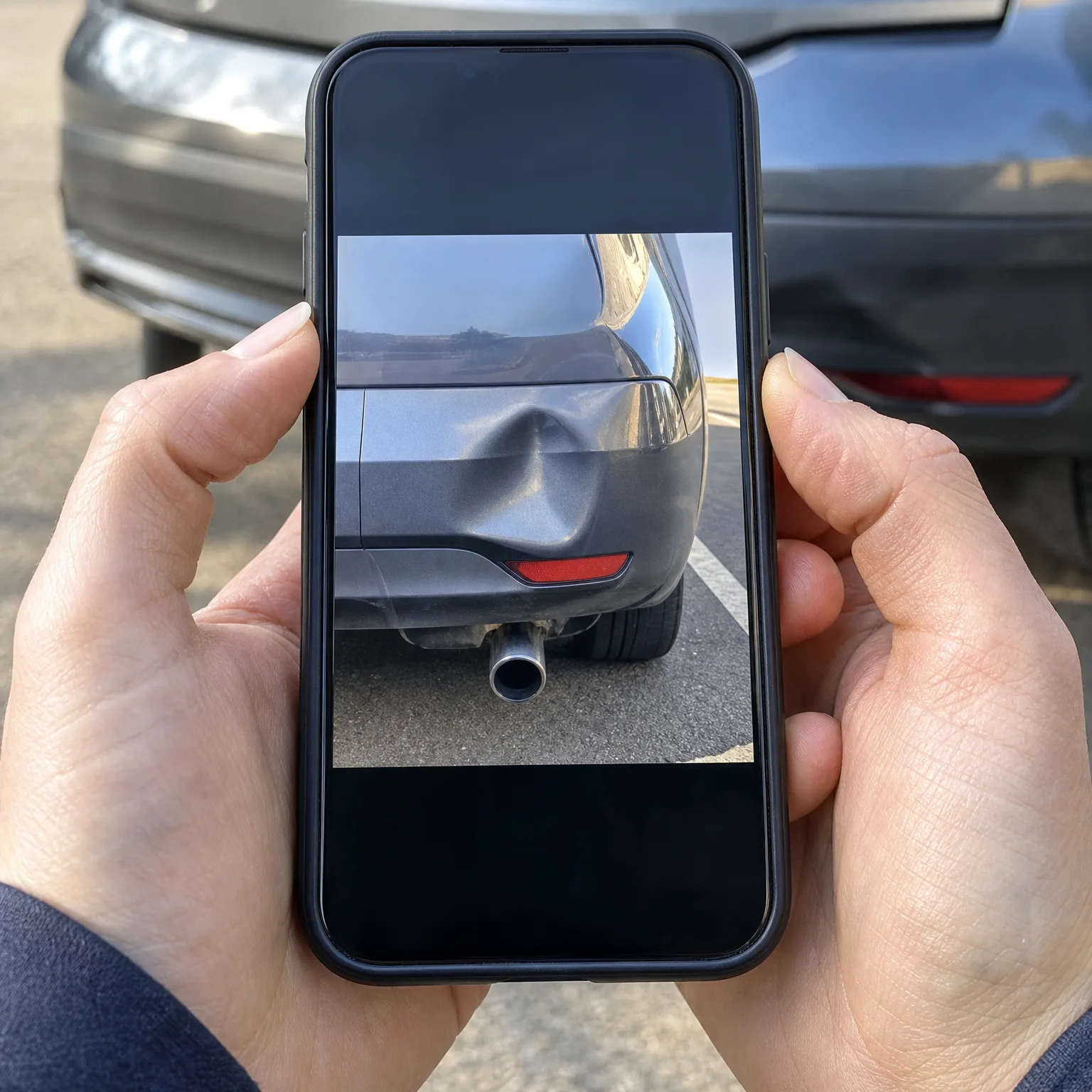
A student came back from class to find a long dent and scraped paint on the driver's door of her car, parked overnight in the dorm lot. There was no note, no witness, and no way to tell if it was a cart, another car, or someone's bike. She had collision coverage on the family policy because the car was still titled to her parents, so she got a repair estimate before deciding anything.
The estimate came back lower than her deductible. She called her insurer anyway, just to ask how a claim like this would be handled, and they confirmed that filing would mean paying out of pocket for the whole repair since it wouldn't clear the deductible. She paid for the repair herself through a local shop instead, and nothing went on her driving record. She kept the receipt in case the same panel got damaged again before graduation, since a shop history can help if a future claim needs proving.
Now you know what a door ding claim really costs, so compare quotes to see what collision coverage runs.

Should you file a claim for a door ding
If you do
Your insurer opens a claim, assigns an adjuster, and asks for photos or an estimate. If the repair cost clears your deductible, they pay the difference. The claim goes on your record for a few years and may affect your rate at renewal, even if the amount paid was small.
If you don't
You pay for the repair yourself, on your own schedule, at a shop you pick. Your record stays clean and your rate isn't affected. The dent stays as is until you're ready to pay, which matters if you're selling the car or returning it to a parent's driveway over break.
Why small damage rarely turns into a claim
Collision coverage exists for exactly this kind of damage, contact with an object or surface that isn't another identified driver. A door ding in a parking lot qualifies the same way a fender bender against a pole does. The coverage isn't the issue. The math is.
Deductibles are built to filter out small claims. Insurers set them so that minor repairs cost more to file than to just pay for, which keeps claims history focused on damage that actually matters. That's not a flaw in the system, it's the whole point of a deductible. You're insured against the big, expensive, unpredictable stuff, not the cost of everyday wear.
What changes the math is who's paying and what else is going on. If your parents are managing the policy and don't want surprise costs, they might prefer you file even a small claim so it's on record. If the same car has had several dings already, your insurer may ask about a pattern, since it affects how they price your risk. And if you don't know your deductible amount or whether your coverage follows the car or the driver, that's worth confirming before you decide anything.
The state you're in and the company you're with can change deadlines for reporting damage and what documentation they want. Some insurers want a police report even for lot damage with no other driver involved. Call and ask what they need before you assume a claim is simple or not worth it.

The real question isn't whether insurance covers it, it's whether filing costs more than fixing it yourself.