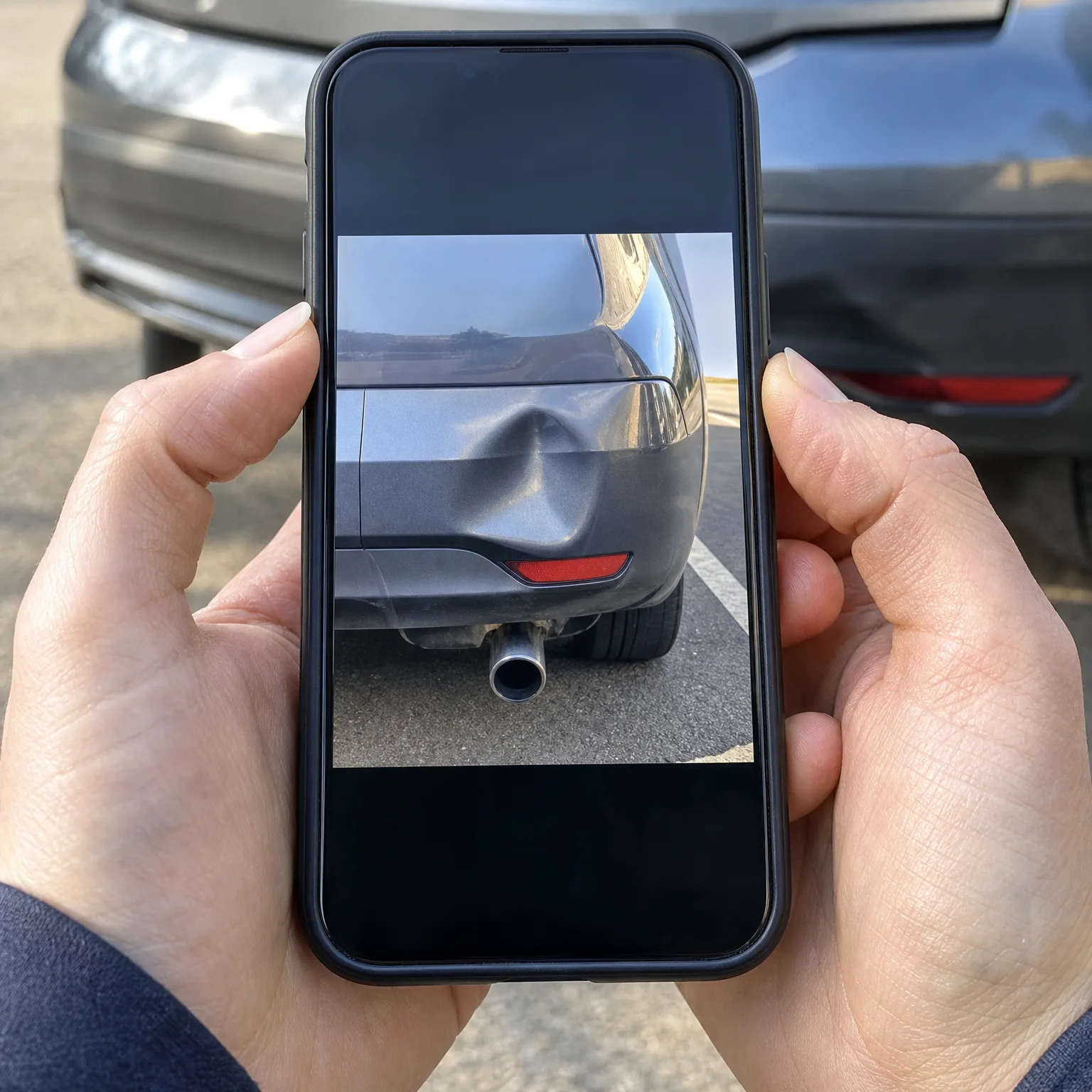
Will My Rates Go Up After an Accident
Usually yes if you're found at fault, but how much and for how long depends on your insurer and your state.
What actually decides if your rate goes up
- Who was at fault If you're found at fault, your rate is far more likely to rise. If the other driver was at fault, check whether your insurer still counts it against you, since some do.
- First accident forgiveness Some insurers forgive a first accident and leave your rate alone. Ask directly whether this applies to you before you assume either way.
- Whose policy you're on If you're on a parent's policy, the accident affects that policy's history, not a separate one in your name. Talk to whoever holds the policy about what they were told by the insurer.
- The state you're insured in Rules about how long an accident can affect your rate vary by state. Check your state's rules or ask your insurer directly, since this isn't something you can guess.
- Your driving record before this A clean history before the accident can soften the impact. A spotty one makes insurers more likely to raise your rate by more.

The short version
Yes, an at-fault accident usually raises your rate, but not always and not forever. The deciding factors are fault, your insurer's forgiveness rules, and your state. Call the policyholder's insurer and ask exactly what happens to this specific policy before you assume the worst.
A parking lot accident during finals week
A student backed into another car in a campus lot during finals week. No one was hurt, but the other car's bumper was damaged enough to need repair. The student was still listed on a parent's policy, and neither of them knew whether this counted as a first accident or whether the state had any rule about minor fault accidents.
The parent called the insurer that same week and asked directly. The insurer explained that this was the first at-fault accident on the policy and that a forgiveness rule applied, so the rate would not go up this time. They also learned that a second at-fault accident within a certain period would not get the same treatment. Knowing this, the student became far more careful about where and how they parked, and the family kept close track of the policy's accident history going forward.
Once you know how your insurer treats this accident, compare quotes to see whether staying put still makes sense.
Why insurers respond to accidents this way
Insurers set rates based on risk, and an at-fault accident is direct evidence that your risk was higher than they assumed when they priced your policy. Raising the rate afterward is how they correct that assumption. This is true everywhere, even though the exact adjustment process differs by company and by state.
Not every accident carries the same weight. An accident where you weren't at fault often doesn't affect your rate the same way, because it doesn't tell the insurer anything new about your driving. But some insurers still factor in any accident, regardless of fault, so this is worth confirming rather than assuming.
Forgiveness policies exist because insurers know one accident doesn't always predict future ones, especially for a driver with an otherwise clean record. These policies vary widely in who qualifies and under what conditions, so the same accident can affect two different people very differently depending on their insurer and their history.
State rules add another layer, since some states limit how long an accident can be used to raise a rate or require insurers to disclose how they're using it. None of this is something you can figure out by guessing, so the only reliable path is asking the insurer directly what applies to the policy you're on.
Does my rate go up if the other driver was at fault?
Usually not, but confirm it with your insurer rather than assuming. Some insurers only raise rates for accidents where you were found at fault, while others consider any accident regardless of fault. The deciding factor is your insurer's specific policy, so ask directly. If you were not at fault, it's also worth asking whether the accident even appears on your record at all.
How long does an accident affect my insurance rate?
It depends on your state and your insurer, so there's no single answer that applies everywhere. Some states limit how long an accident can be factored into your rate, while insurers each have their own internal timelines for reconsidering it. Ask your insurer how long this specific accident will be considered, and check whether your state has any rule capping that period.
Will my own insurance go up if I was just a passenger?
No, being a passenger in someone else's accident does not affect your own policy. Your insurance responds to your driving record and claims made under your policy, not to accidents you were involved in as a passenger. The only time this could change is if you were the one driving the car at the time, which would make you the policyholder's driver of record for that incident.