Can I Lend My Car to a Friend
In most cases your insurance follows the car, so a friend driving it with your okay is usually covered under your policy.
Coverage generally follows the car, not the driver
Car insurance is built around the vehicle first. When you let someone borrow your car with permission, your policy typically extends to them for that drive, the same way it would if you were behind the wheel. This is called permissive use, and it's a standard piece of how policies are written, even though the exact wording and limits can vary by insurer.
The reasoning behind this is practical. Insurers know cars get borrowed, and they build that reality into the contract rather than making every driver carry separate coverage. What matters most is that you gave permission and that the friend isn't someone excluded from your policy by name. If your policy lists specific excluded drivers, permissive use doesn't apply to them, so it's worth knowing who's on that list if one exists.
Where this gets more complicated is frequency and your location away from home. If a friend borrows your car once, that's a clean case of occasional permissive use. If they're driving it regularly, some insurers expect that person to be added to the policy or to carry their own coverage, since regular use starts to look less like a one-time favor and more like a second driver. Your state and your specific insurer decide where that line falls, so it's worth checking rather than assuming.
There's also the question of whose policy pays first if something happens. Usually your policy is primary since it's your car, and the friend's own insurance, if they have any, might only step in after. This is another detail that can shift by state, so confirming it with your insurer before you hand over the keys saves you from guessing during a stressful moment.
A roommate borrows the car for a weekend grocery run
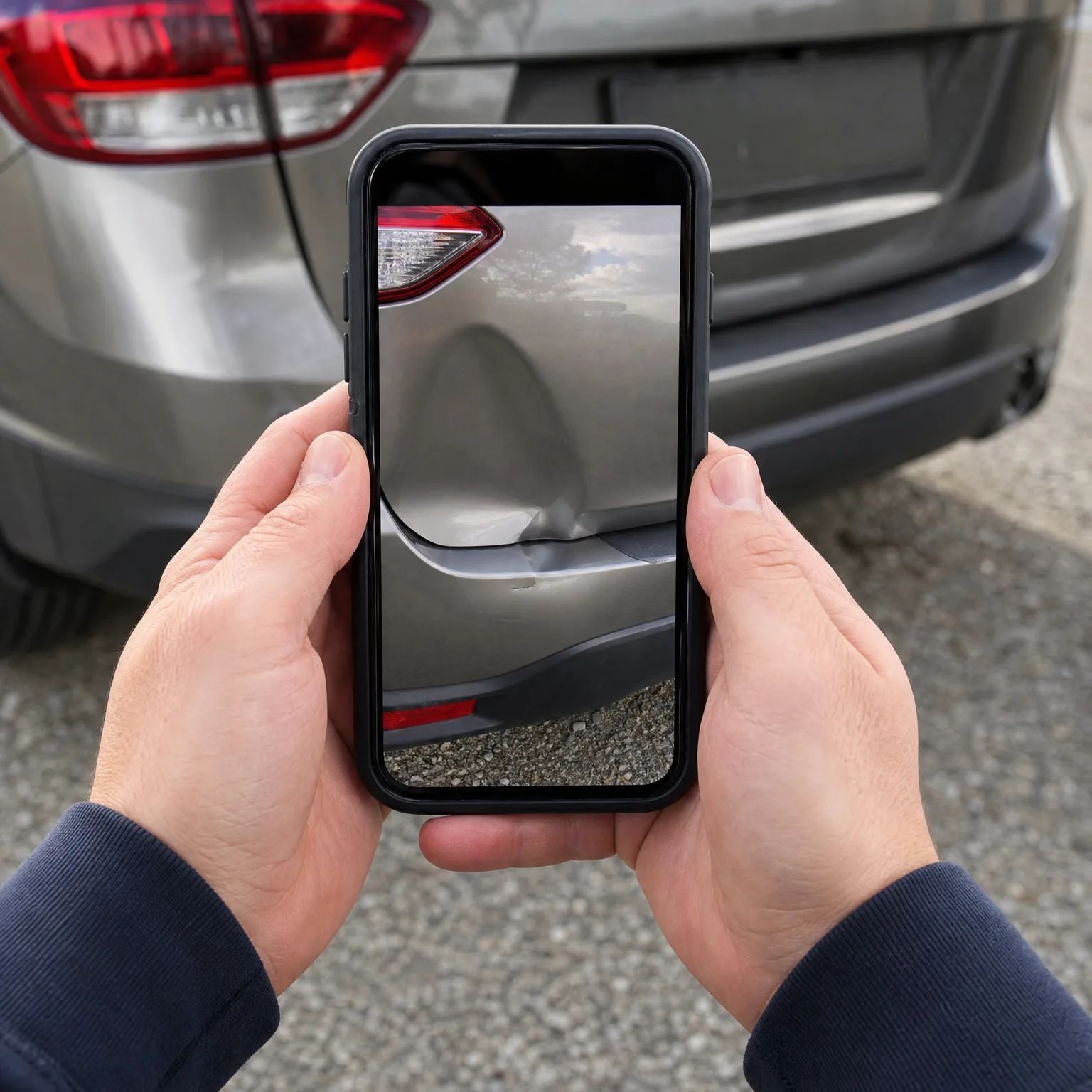
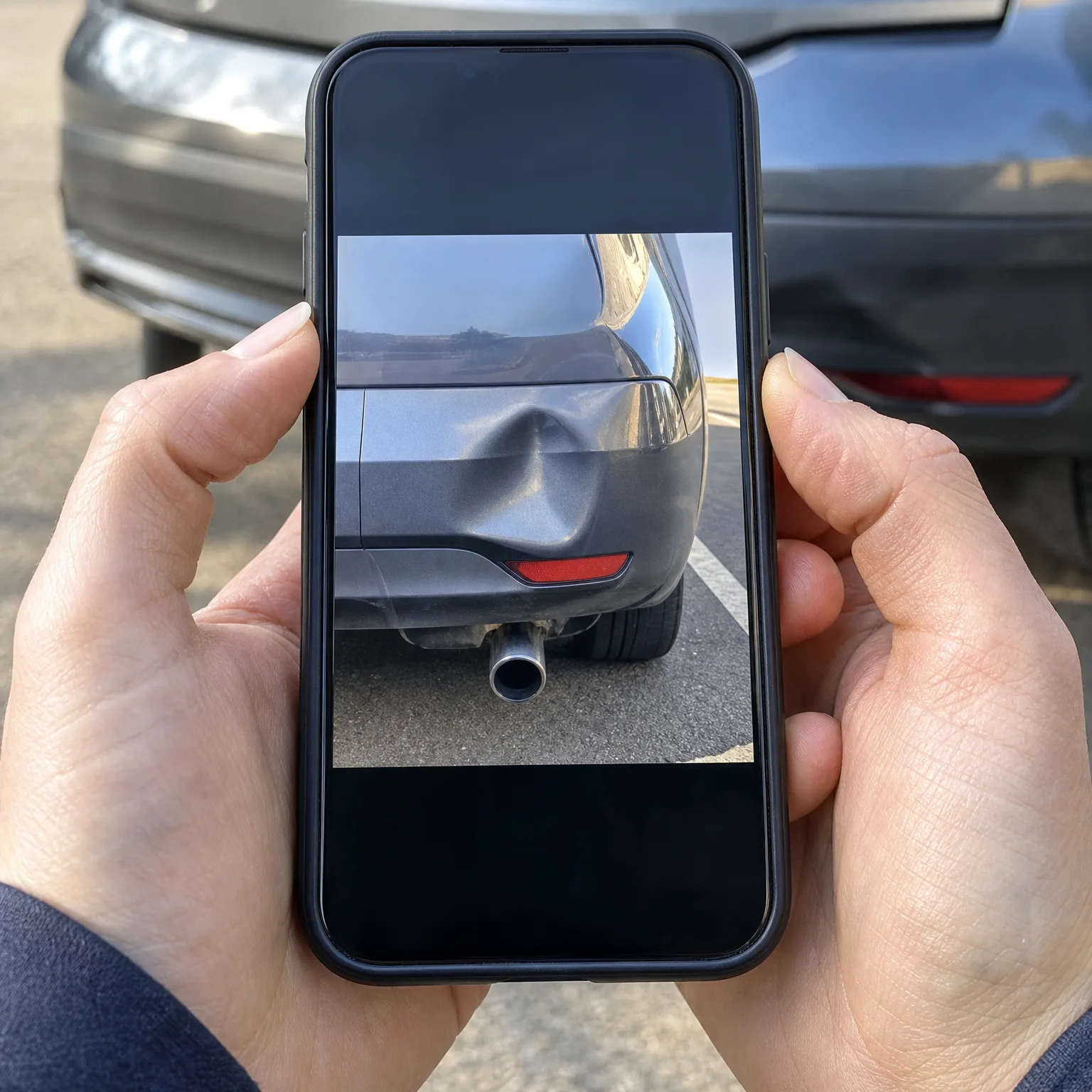
Say your roommate asks to borrow your car to pick up groceries and run a few errands while you're stuck finishing a paper. You've let them drive before, you trust them, and you say yes without thinking twice about insurance. On the way back, another driver backs into your car in a parking lot and drives off before anyone can get their information.
Because your roommate had your permission, this is a case of permissive use, and your policy responds the way it would if you had been driving. You file the claim under your own policy, your roommate explains what happened, and the hit and run gets handled through whatever coverage you carry for that kind of situation. The claim goes on your record, not your roommate's, since it's your policy doing the covering. The lesson you walk away with isn't really about the accident, it's that you're glad you'd already asked your insurer what permissive use covers, because you weren't guessing when it mattered.

Whether you ask your insurer what permissive use actually covers
If you do
You know exactly what happens if a friend crashes your car, including who's primary, what's excluded, and whether lending it occasionally is treated differently from lending it often. If something goes wrong, you're not learning the rules for the first time while also dealing with a wrecked car or an angry roommate.
If you don't
You're guessing based on what you've heard from friends or assumed from habit. Most of the time nothing goes wrong and it doesn't matter. But if it does, you find out in the middle of a claim whether your friend was covered, whether there's an excluded driver clause, or whether lending it regularly changed anything.
Now that you know how a borrowed car gets covered, compare quotes to make sure that coverage actually holds up.

What to nail down before you hand over your keys
- Check for excluded drivers Some policies name specific people who are never covered, even with permission. Look for this list before assuming anyone can drive your car.
- Know if it's a one time favor Occasional borrowing is usually fine under permissive use. Regular driving by the same friend may need to be added to your policy instead.
- Confirm who pays first Your policy is usually primary since it's your car. Ask your insurer directly so you're not guessing during a claim.
- Tell your friend what you carry They should know your deductible and coverage limits before they borrow the car. A quick conversation avoids confusion if something happens.
- Ask about state specific rules Permissive use and primary coverage rules can shift by state. Confirm with your insurer rather than assuming your home state's rules apply here.
Does my insurance go up if my friend crashes my car while borrowing it?
Possibly, since the claim is filed under your policy and tied to your driving history, not your friend's. Whether your rate actually rises depends on your insurer, the state you're in, and the size of the claim. Some insurers offer accident forgiveness or have minor thresholds that don't trigger an increase. Ask your insurer directly how claims from permitted borrowers are treated, since this varies and matters more than most people expect.
Can I let my friend borrow my car if they have their own insurance?
Yes, and this usually doesn't change anything about how a claim gets handled. Your policy is typically still primary since it's your vehicle, regardless of what coverage your friend carries personally. Their insurance might step in only if damages exceed what your policy covers, depending on your state and insurer. It's still worth confirming this order directly, since assuming it works a certain way can cost you time during an actual claim.
What if my friend gets a ticket while driving my car?
The ticket usually goes to the driver, not to you, since it's based on who was behind the wheel. Your insurance and driving record generally stay separate from that unless the ticket leads to an accident claim filed under your policy. Rules about this can vary by state, especially for things like red light camera tickets tied to the vehicle's plate. Check your state's approach if you want certainty before lending your car out.