Driving Friends Around at School
If you're insured to drive the car, your coverage follows the car and protects your friends riding along, no matter who they are.
Your policy covers the car and the driver, not a guest list
Car insurance is built around two things: who is allowed to drive and which car they're driving. It is not built around who happens to be sitting in the passenger seat. So when you're driving a car you're insured to drive, your liability and medical coverage apply the same way whether you're alone or your car is full of friends.
This matters most if someone gets hurt. If you cause an accident, your liability coverage is what pays for injuries to the people in your car, along with anyone in the other vehicle. Medical payments or personal injury protection, if your policy includes it, can help your passengers directly regardless of fault. None of this changes because your passengers are classmates instead of family.
Where it gets more complicated is when the car itself isn't clearly yours to drive. If you're on a family policy and driving a car registered to a parent, that's normal and expected. But if you're driving someone else's car, a roommate's or a friend's, you're relying on their insurance treating you as a permitted driver, which usually works for occasional use but can get questioned if it happens constantly.
The other wrinkle is cost, not coverage. Having passengers doesn't change your rates. What can change your rates is a pattern, like being the regular driver for a group, racking up mileage, or being listed as someone who frequently uses a car that isn't titled to you. None of that affects whether a given trip is covered, but it's worth knowing about before it becomes a bigger conversation with whoever holds the policy.

A weekend trip with three friends in the car
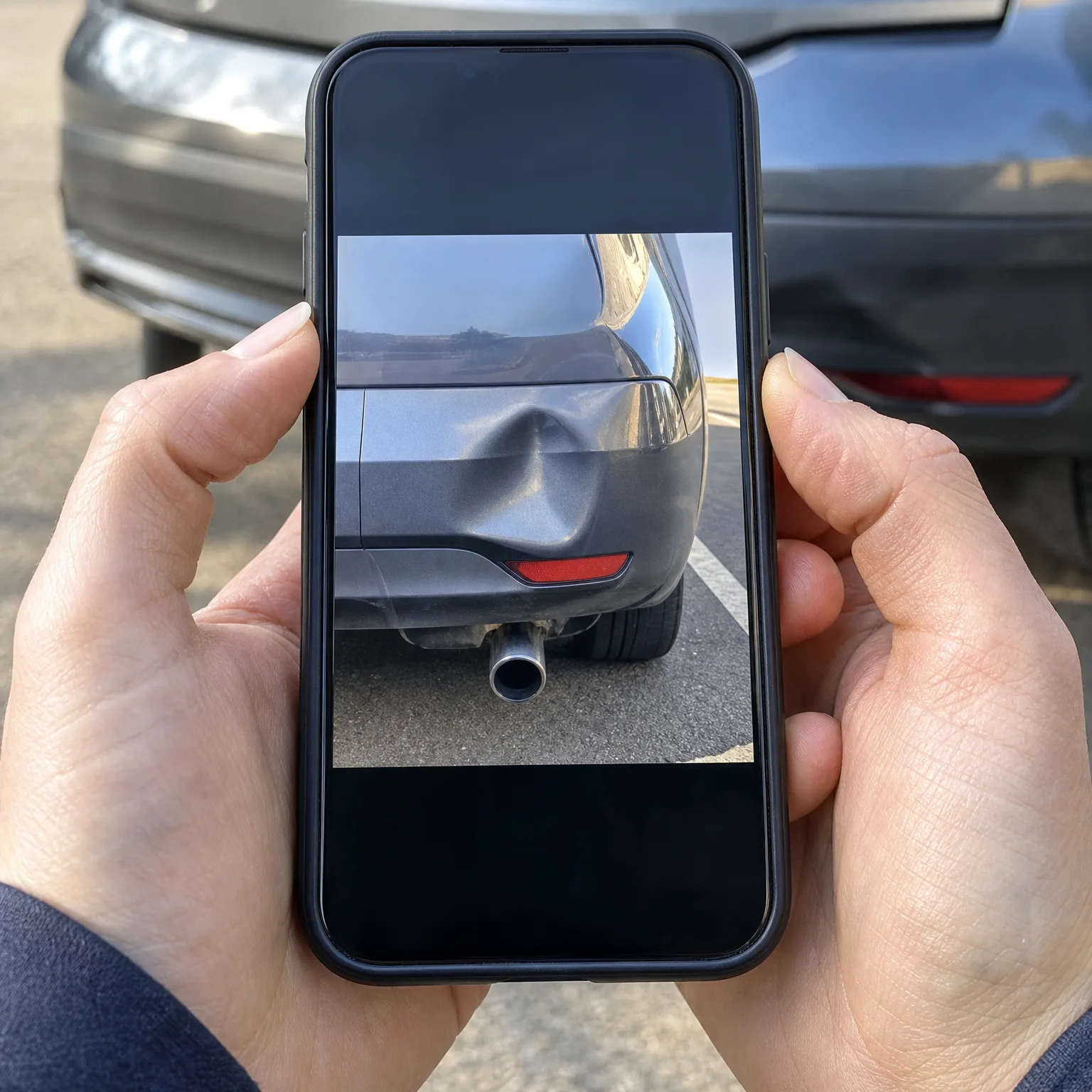
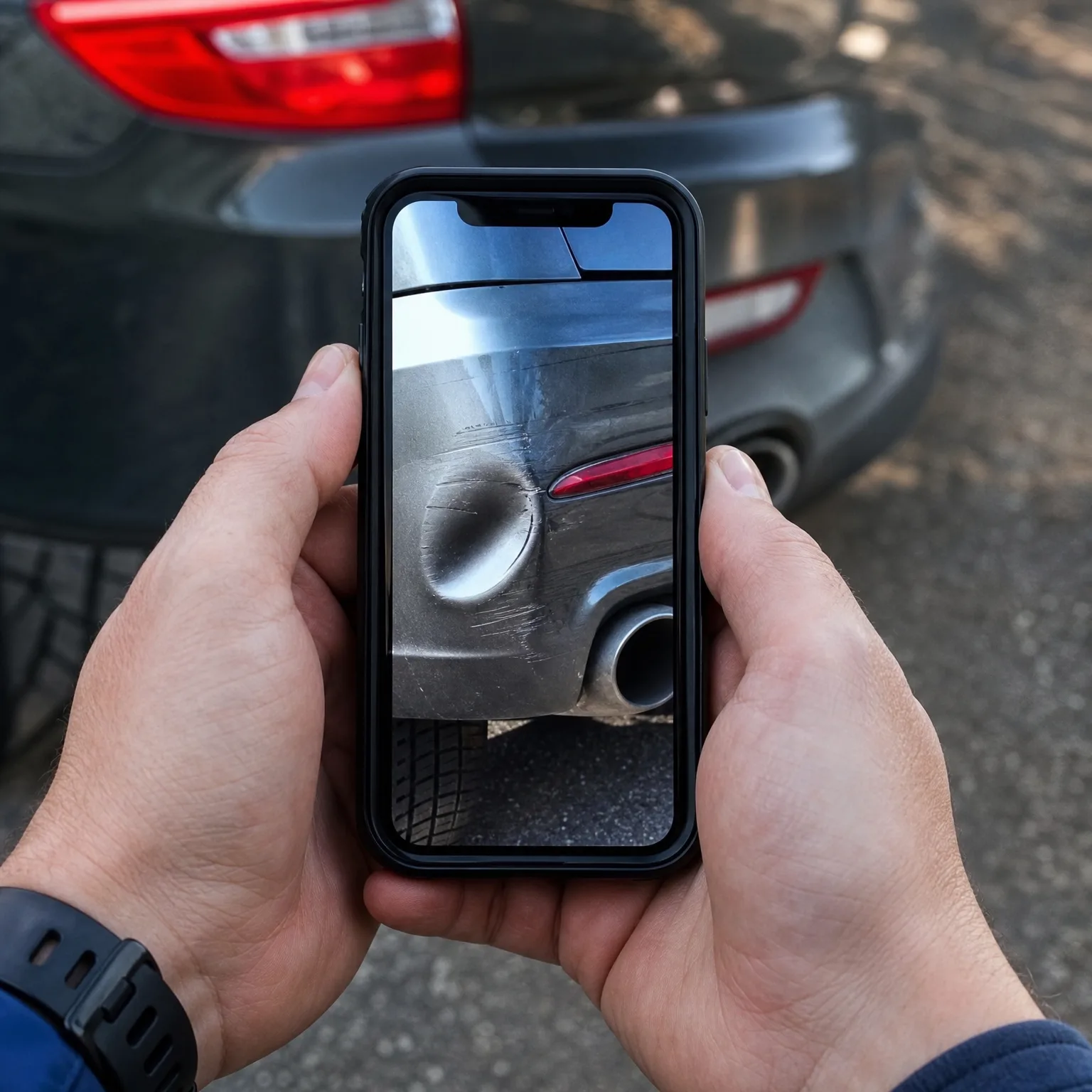
You drive your car to a friend's school two hours away for the weekend, with three friends riding along who all go to your school. On the way back, someone merges into your lane and you clip their bumper swerving to avoid them. Nobody is hurt, but your front bumper is damaged and the other driver wants to file a claim.
You call the insurer listed on your policy's card, report the accident, and give them the details, including who was in the car. Because you're the listed driver on your own policy, the claim moves forward the same way it would if you'd been driving alone. Your passengers aren't asked for insurance information because they weren't driving. The claim gets processed, your deductible applies to your own repair, and the other driver's damage is handled through your liability coverage. The only thing that would have changed the outcome is if one of your friends had been driving instead of you, since then it would matter whether they were an insured driver on your policy or not.

Your coverage rides with the car, so what matters is who's driving, not who's along for the ride.
Once you know your coverage rides with the car, compare quotes to make sure it fits how you actually use it.
What if a friend drives my car instead of me?
This is the real question, more than who's riding along. If your friend drives your car with your permission, most policies extend coverage to them as a permissive user, meaning an accident would be covered similarly to if you'd been driving. This is standard, but it's meant for occasional situations, not a regular arrangement.
If a particular friend is going to drive your car often, like a roommate who borrows it weekly, that's worth mentioning to whoever holds the policy, because frequent drivers are sometimes expected to be listed. The risk isn't that one trip goes uncovered, it's that a pattern of regular use by someone unlisted could complicate a claim later. Check your policy documents or ask directly what counts as occasional versus regular, since insurers define this differently.

What actually matters when friends are in your car
- Who's driving Coverage depends on the driver, not the passengers. If you're driving and you're insured to drive that car, your friends riding along are covered the same as any passenger.
- Whose car it is If you're driving your own car or one you're a listed driver on, you're fine. Driving someone else's car regularly is the situation to flag with them.
- Medical coverage for passengers Check if your policy has medical payments or personal injury protection. This covers your passengers' injuries regardless of fault, which matters more with a full car.
- Frequent borrowers A friend who borrows your car occasionally is usually fine as a permissive user. If it becomes regular, mention it to whoever holds the policy.
- Out-of-state trips Coverage generally follows you across state lines, but confirm with your policy since minimum requirements vary by state and could affect a claim there.
Does my insurance cover a friend driving my car to run an errand?
Yes, in most cases, as long as it's occasional and you gave permission. This is called permissive use and most policies include it. What changes the answer is frequency. If this friend drives your car regularly, check with whoever holds the policy about whether they should be listed, since occasional and regular use are treated differently.
Am I covered if my friend's car gets into an accident while I'm a passenger?
Your friend's insurance is what covers that accident, not yours. As a passenger, you'd typically be covered under their liability and medical coverage. Your own policy might offer secondary coverage if you have personal injury protection, so check your policy for how it treats you as a passenger in someone else's car.
Do I need to add my roommate to my insurance if they drive my car sometimes?
Not for occasional use, but ask directly if it's becoming regular. Insurers generally expect frequent drivers of a car to be listed on the policy. If your roommate borrows your car weekly or has their own key and uses it often, that crosses from occasional into a pattern worth discussing with whoever holds the policy.