Is It Illegal to Give Someone a Ride
Giving someone a ride is legal everywhere, and your insurance almost certainly covers it already.
Coverage follows the car, not a guest list
Car insurance is built around the vehicle and the policy, not around who happens to be sitting in the passenger seat. When you give someone a ride, you're not adding a new driver or changing who's responsible. You're still the one driving, so your coverage applies the same way it would if you were alone in the car.
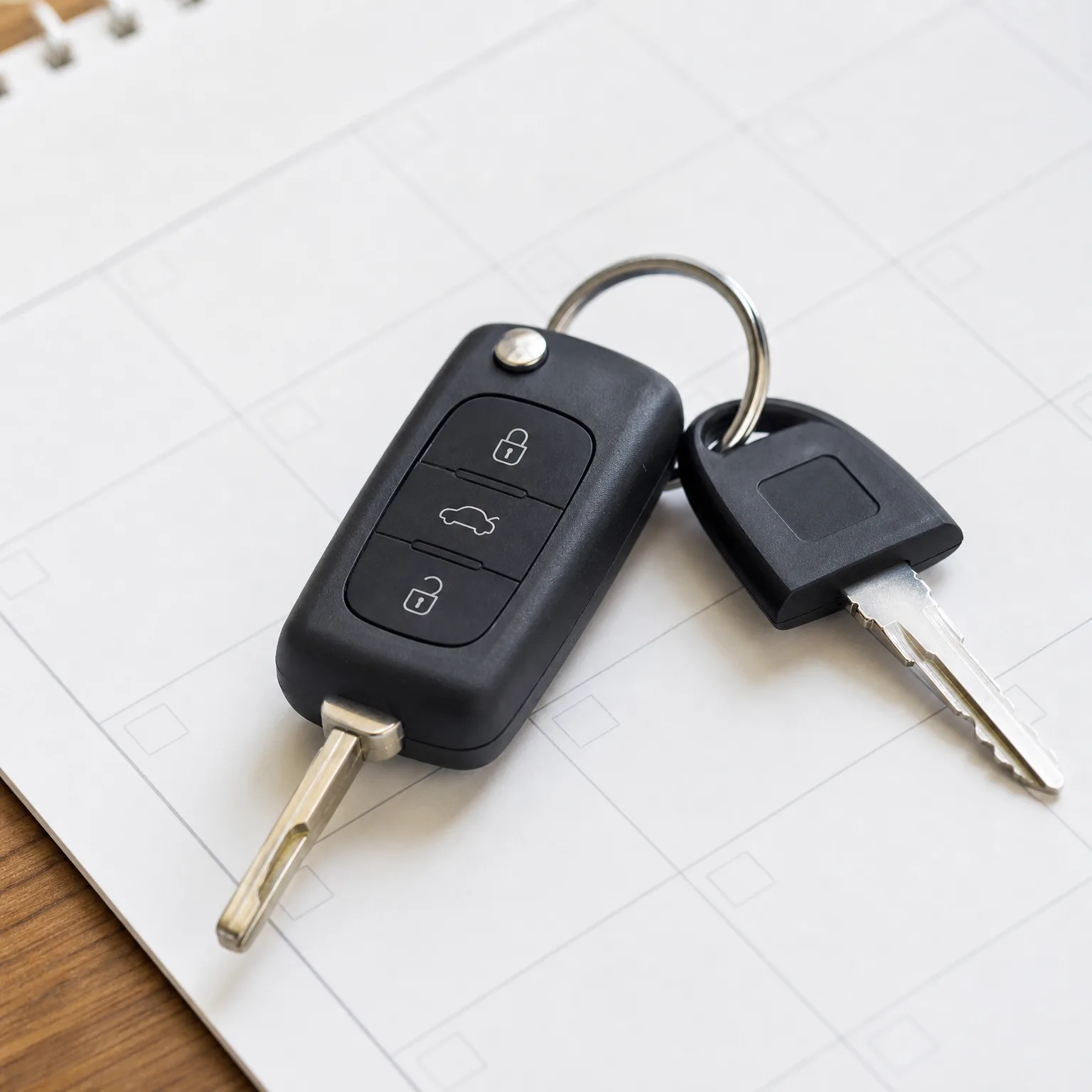
What changes the picture is who's behind the wheel, not who's riding along. If a roommate or friend drives your car themselves, that's a different situation, because now the policy has to cover their driving, not just yours. Most family policies extend to occasional permitted drivers, but how far that extends can depend on the insurer and sometimes the state, so it's worth knowing before you hand over the keys.
The other thing that matters is where the car is actually based. If you brought a car to school and you're regularly driving in a new state, your insurer may want to know that, since rates and coverage rules are tied to where a car normally lives. This isn't about the passengers you carry, it's about where and how often the car is driven.
So the honest answer is that rides themselves are a non-issue. The real questions are about who's driving and where the car lives most of the year, and those are the things worth sorting out with whoever holds the policy.

A ride to the airport that raised a bigger question
A student drives her car to campus each fall and keeps it there most of the year. One weekend she offers a ride to a friend heading to the airport, and on the way back a car backs into her in a parking lot. She's shaken but the ride itself was never the issue, the accident would have happened whether she was alone or not. Her coverage applies exactly as it would on any other day.
What actually gave her pause afterward was realizing her car had been parked at school for nearly a full year and her family's policy still listed her home address. She called and asked whether that mattered, and found out it was worth updating since the car's main location can affect coverage and cost. The ride was a non-event. The address was the real thing to fix, and she fixed it before it became a problem.
What if my friend was driving my car instead of me?
That's the situation that actually matters, more than any question about giving someone a ride. If a friend or roommate drives your car, your policy's coverage for them depends on how your insurer defines permitted use and occasional drivers, and that can vary by insurer and sometimes by state.
Most policies do extend to someone driving with your permission now and then, but regular or repeated use by the same person is treated differently and may need to be disclosed. Before you lend your car out as a habit, not just once, ask whoever holds the policy exactly how far that coverage goes. It's a quick call, and it's the difference between a minor favor and a real gap in coverage.
Once you know your coverage travels with you and the car, not your passengers, compare quotes with that settled.
What actually matters when you're driving at school
- Where the car lives If your car is mostly at school, your insurer may need to know its new location. This affects coverage and cost more than anything about passengers.
- Who else drives it A roommate borrowing your car occasionally is usually fine, but regular use by someone else may need to be added to the policy. Check before it becomes routine.
- Your own address on file If you've moved for school, your policy may still list your old address. Update it so your coverage matches where you actually are.
- Tickets out of state A ticket in your school state still follows you and your policy. Rules on how it's handled can vary, so ask what your insurer does with out-of-state citations.
- Staying on a family policy Being listed on a parent's policy while away at school is common and usually fine. Confirm with them that your school address and driving habits are reflected accurately.

Rides don't change your coverage. Who drives, and where the car lives, do.
Do I need to tell my insurer I moved for college?
Often yes, especially if your car is now mainly parked and driven near school rather than at home. Insurers base coverage and cost on where a car is usually kept, so an outdated address can cause problems later. Check with whoever holds the policy, since some insurers treat school addresses differently depending on distance or state.
Does my parents policy cover me if I get in an accident at school?
Usually yes, if you're listed as a driver on that policy, since coverage follows the car and its listed drivers rather than your location. What can vary is whether the insurer knows you're regularly driving in another state, which is worth confirming directly.
Is a ticket I get at school going to affect my parents insurance?
Likely yes, since the ticket is tied to you as a driver on that policy, not just to the state where it happened. How it's handled, and for how long it matters, can depend on the insurer, so ask directly what their policy is on out-of-state citations.