Lending Your Car to Roommates
In most cases your insurance follows the car, so if your roommate crashes it while driving with your okay, your policy pays first.
Your policy covers the car, so it covers whoever you let drive it
Car insurance is usually tied to the vehicle, not the driver. That means if you hand your keys to a roommate and they get into an accident, your policy is the one that responds, not theirs. This surprises people because it feels like the at-fault driver should be on the hook, but the car's policy is the primary coverage in nearly every state.
This only holds for occasional, permitted use. If you say yes once or occasionally and your roommate isn't a regular driver of the car, most insurers treat that as covered. The trouble starts when someone drives your car often enough that they function like a household driver. At that point, some insurers expect you to have told them, and if something happens, they can ask why an obvious regular driver wasn't listed.
There's also a difference between lending your car and your roommate taking it without asking. Permission matters. If you gave them the keys, that's covered use. If they took it while you were asleep or away and you never agreed to it, that can turn into a claim dispute about whether the use was authorized at all, and insurers look closely at that distinction.
What counts as occasional versus regular isn't the same everywhere, and some insurers are stricter than others about roommates specifically. Call and ask directly how they treat a roommate who borrows the car sometimes, since the answer changes what you should say now rather than after a claim.
A roommate backs into a pole in a campus lot
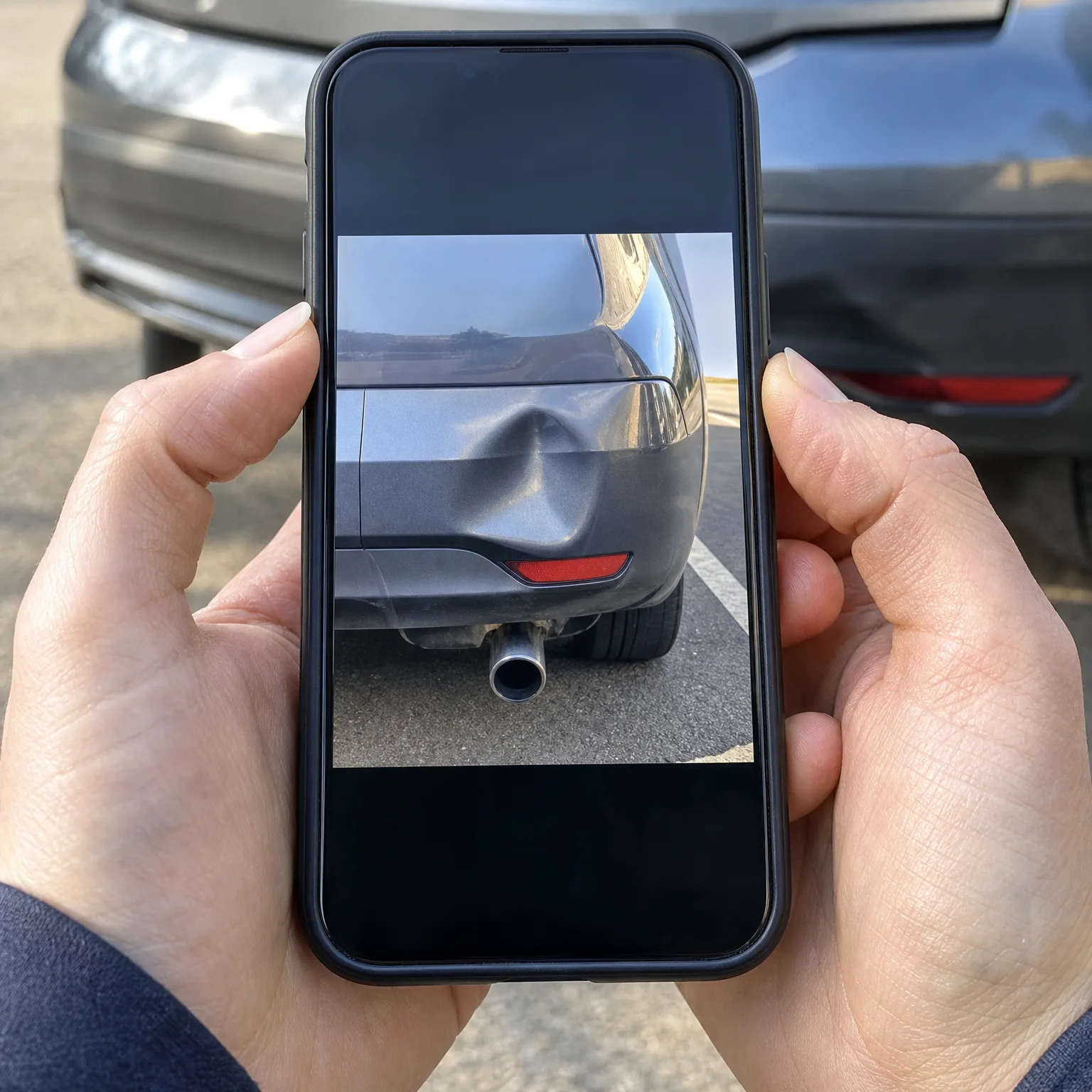
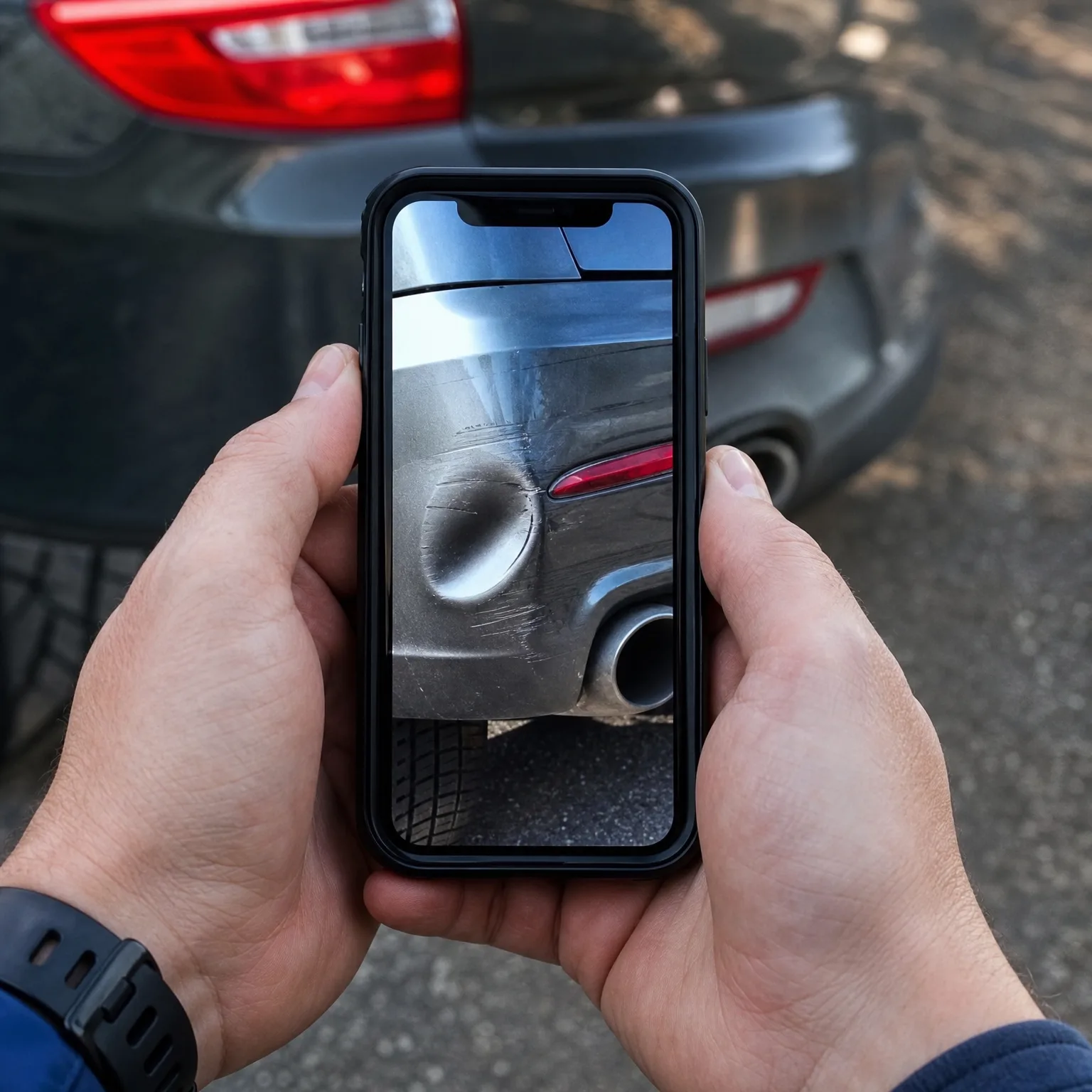
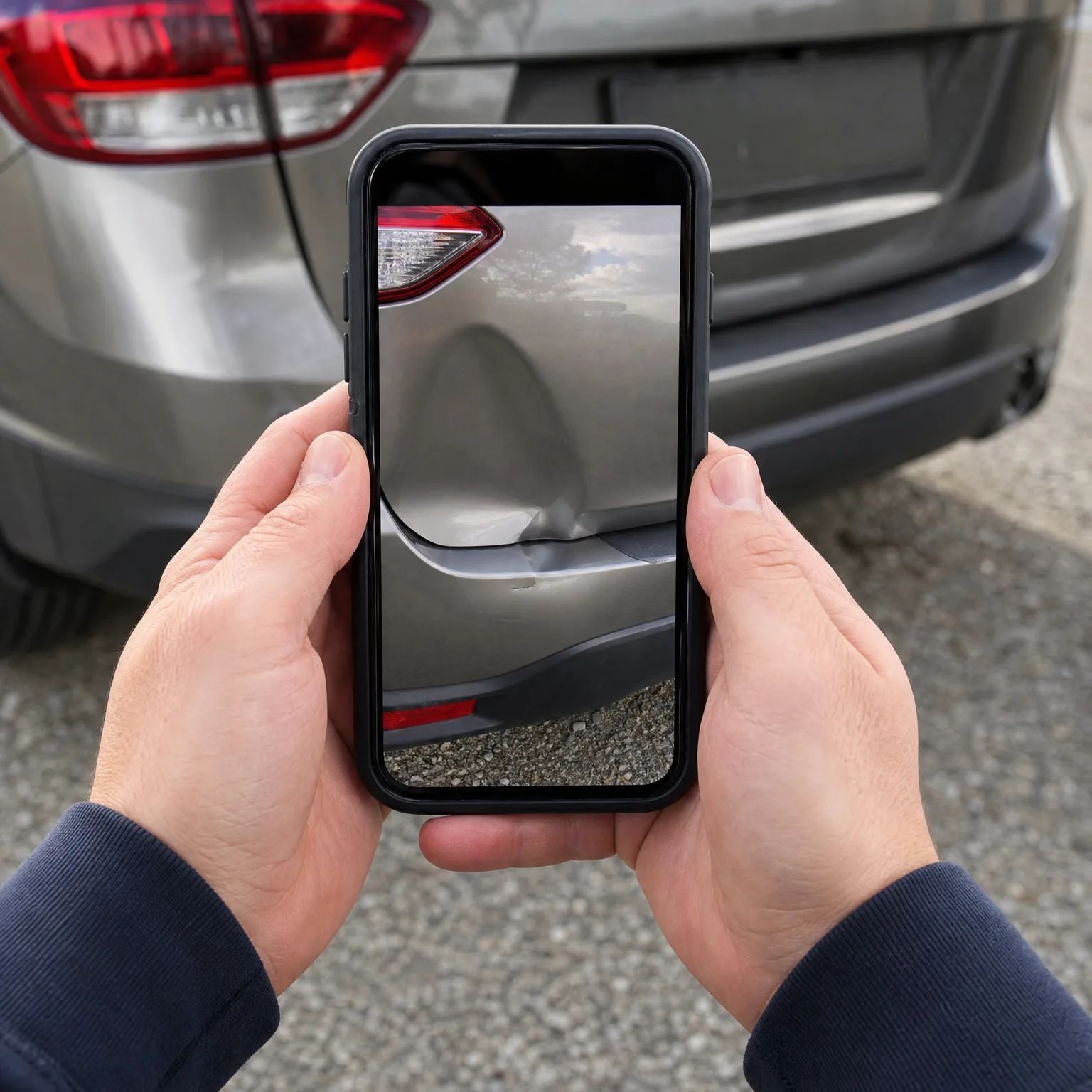
Say your roommate asks to borrow your car for a grocery run, and on the way back they back into a light pole in the dorm lot, denting the bumper. They come get you right away and you both look at the damage together. Because you gave them permission and it was a one-time favor, this is the kind of situation your policy is built to handle. You call your insurer, explain who was driving and that you'd given permission, and they open a claim against your policy just as if you had been driving.
The claim gets handled the way any accident would, with your deductible applying and the repair covered after that. Your roommate isn't personally billed by the insurer, since the coverage follows the car. What matters afterward is what you two work out between yourselves, since some people ask a roommate to cover the deductible if they were the one driving. The insurance side resolves cleanly, but the roommate side is a conversation worth having before you ever hand over the keys again.
Compare quotes to see how coverage for occasional drivers stacks up before you decide how freely to lend your car.

Telling your insurer a roommate sometimes drives your car
If you do
They note it on file, and if that roommate is ever in an accident, there's no question about whether the use was expected. Your rate might shift slightly if they're added as an occasional driver, but claims go smoother because nothing has to be explained after the fact.
If you don't
Nothing changes day to day, and one-time favors are still covered without any disclosure needed. But if that roommate ends up driving often enough to look like a regular driver, an insurer can question it after a claim, which slows things down right when you need an answer fast.
What to settle before you hand over your keys
- Occasional versus regular use A one-time favor is usually fine without telling anyone. If it becomes a weekly thing, call your insurer and ask whether that roommate needs to be listed.
- Permission has to be clear Coverage assumes you said yes. Agree out loud on when borrowing is okay so there's no confusion if something goes wrong.
- Your deductible still applies If your roommate causes damage, your policy pays but your deductible applies to you. Decide ahead of time who covers that cost if it happens.
- Their record can matter later If a roommate drives often and has a rough record, some insurers want to know. Ask directly rather than guessing what counts as often enough.
- Put the ground rules in writing A quick text thread agreeing on when borrowing is okay won't change your coverage, but it prevents arguments if something gets dented.
Does my roommate's insurance ever pay instead of mine if they borrow my car?
Usually not first. Your policy covers the car as primary, so it pays before your roommate's own insurance gets involved. Their policy could step in only if damages go beyond what your coverage pays, which is rare for typical accidents. If your roommate doesn't have their own policy at all, that doesn't change anything, since your coverage still applies. Check your policy's language on this if you want certainty, because a few insurers structure it differently for excess coverage above your limits.
Can I limit my policy so only certain people are allowed to drive my car?
Some insurers let you list excluded drivers, but that's different from limiting who's allowed. Most policies cover anyone you give permission to unless that person is specifically excluded in writing. If you want to prevent one particular roommate from ever being covered, ask your insurer about an exclusion. Without one, giving someone the keys generally means they're covered, so the real control you have is simply choosing who you hand them to.
What happens if my roommate gets a ticket while driving my car?
The ticket goes to whoever was driving, not to you or your policy. Moving violations are tied to the driver's license, so your roommate deals with the fine and any points directly. Your insurance only gets involved if the ticket comes with an accident or a claim. Where it can affect you is at renewal, if the incident shows up in a claims history tied to your vehicle, so ask your insurer how they handle driver-specific violations on a shared car.