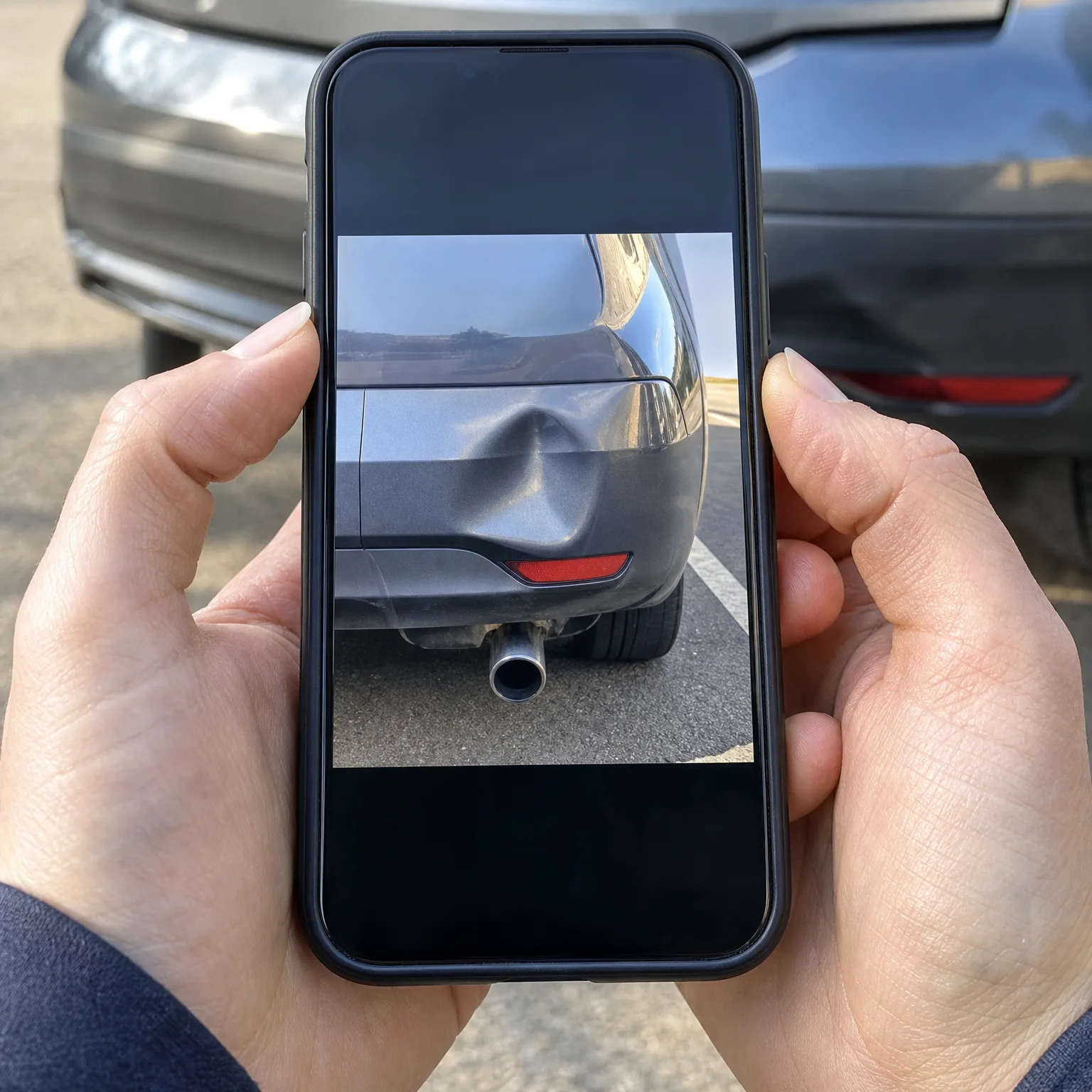
Do I Have to Tell My Car Insurance That I Moved
Yes, if you've moved to a different address, especially a different state, your insurer needs to know.

What reporting your move actually changes
- Your rated address Insurers price your policy based on where the car usually sits overnight. If that address changed, your insurer needs the new one to keep the policy accurate.
- State minimum coverage Each state sets its own required coverage. If you moved to a new state, check whether your current policy meets that state's minimums, not just your home state's.
- Student away discounts Many insurers lower your rate if you're at school without the car and someone else drives it less. Ask if you qualify instead of assuming you don't.
- Who else is listed If a roommate or friend will drive the car regularly, your insurer may need to know. An occasional borrower is usually different from a regular driver.
- Where to file a claim If something happens at school, you'll be filing in a new place with new procedures. Save your insurer's contact info and know your policy number before you need it.
Will telling my insurer I moved make my rate go up?
It might, it might not, and sometimes it goes down. Rates are based on where the car is kept most of the time, so moving to an area with more traffic or a higher chance of theft can raise your cost. Moving to a quieter area can lower it.
But the direction of the change isn't the point. If you don't report an address where the car actually lives, your insurer is pricing a policy based on wrong information. That can cause real problems if you ever file a claim and the insurer finds out your actual address doesn't match what's on file.
If you brought the car to campus, tell them where it's kept. If you left it at home and you're just living somewhere else, that matters less, since the car's address hasn't changed. Call and ask directly how your situation applies before you guess.

Telling your insurer you moved
If you do
You give your new address and where the car is actually kept. Your insurer checks if your state's coverage rules still apply and adjusts your rate if needed. You might qualify for a student discount. Your coverage stays accurate if you ever need to file a claim.
If you don't
Your policy still shows your old address even though your life has changed. If you're ever in an accident at school, the insurer may ask why your reported address doesn't match where you actually live. That mismatch can slow down or complicate a claim right when you need it resolved fast.
Once you know whether your move needs to be reported, compare quotes to see what your updated situation actually costs.

A student who drove to school and forgot to say so
A student brought her car to campus in a different state and didn't think to update her insurance since she was still on her parent's policy. Midway through the semester she was backing out of a lot and clipped another car. When she called to file a claim, the insurer asked for the address where the car was normally kept, and she realized she'd never updated it.
The claim still went through, but the insurer flagged the mismatch and asked questions that took extra days to sort out. Afterward she called and gave her actual campus address, and her parents learned the state she was attending school in had different coverage requirements than home. Her rate changed slightly, but she also found out she qualified for a discount since she was the only one driving the car most of the year. She said the five-minute call would have saved her a week of back and forth if she'd made it before the accident instead of after.
Why insurers care where you actually are
Car insurance is priced around risk, and risk is tied to place. Traffic patterns, accident rates, theft rates, and weather all vary by location, so an insurer needs to know where your car spends most of its time to price your policy honestly. When you move, even temporarily for school, that underlying risk picture can shift.
State law adds another layer. Every state sets its own rules for what coverage a driver must carry, and those rules follow the car's primary location, not your permanent home. If you brought your car to a state with different requirements, your current policy might not automatically match what that state expects, and that gap is exactly what insurers want to catch before anything goes wrong rather than after.
This is also where family policies get complicated. If you're still listed as a driver on a parent's policy, the insurer is already treating you as part of that household. Moving away for school doesn't necessarily remove you from that policy, but it can change how you're classified, especially if the car moved with you. Insurers often have specific categories for a student away at school, and those categories exist because they change the risk calculation in a predictable way.
Where this plays out differently is based on whether the car moved or just you did. If your car stayed in your home state and you're simply living elsewhere for school, the address tied to the car may not need to change at all. The test isn't where you sleep, it's where the car does.