Does Car Insurance Cover a Friend Driving My Car
Your car insurance generally follows the car, so a friend driving it with your okay is usually covered the same as if you were driving.
Coverage follows the car, not the driver
Most car insurance policies are written around the vehicle itself. That means if you let a friend borrow your car and something happens, your policy is typically the one that responds first, not theirs. Your friend becomes what insurers call a permissive user, and permissive use is built into how policies are written almost everywhere.
The key word is permission. If you hand someone the keys or tell them it's fine to take your car to the store, that's permission, even if you never said the word out loud. Problems show up when someone drives your car without asking, or when someone drives it regularly enough that they really should be listed on the policy instead of just borrowing it occasionally.
This matters a lot for your situation because campus life means people borrow cars informally. A roommate grabbing your car for a grocery run is different from a roommate who drives it three times a week because it's easier than walking. Frequent use can push an insurer to say that person should have been added to the policy, which can affect what gets paid if there's a claim.
What counts as permission, how long permissive use lasts, and whether there are exceptions for roommates or excluded drivers can vary by insurer and sometimes by state. If you're regularly lending your car to the same person, it's worth a quick call to check how your specific policy handles it before you need to find out the hard way.
What actually determines whether you're covered
- Permission If you said yes, even casually, that usually counts as permission. Keep it clear with roommates about who can and can't drive your car, so there's no confusion later.
- Frequency of use Occasional borrowing is different from regular use. If someone drives your car often, call your insurer about adding them so a claim doesn't get complicated.
- Excluded drivers Some policies name specific people who are never covered, regardless of permission. Check your policy documents or ask your insurer if anyone is listed as excluded.
- Whose policy pays first Your policy usually pays first since coverage follows the car. Your friend's own insurance, if they have any, may only help after your limits are used up.
- State differences Some states handle permissive use or named driver rules differently. Ask your insurer directly how your state treats a friend driving your car.

Once you know how your policy treats a friend behind the wheel, compare quotes to make sure that protection is solid.
What if my friend gets in an accident while driving my car?
Your insurance is typically the first to respond, since coverage follows the car rather than the driver. That means your liability coverage would likely pay for damage or injuries your friend causes, up to your policy's limits, and a claim would generally go on your record rather than theirs.
If the damage or injuries go beyond what your policy covers, your friend's own insurance may step in to cover the rest, if they have a policy of their own. This is exactly why it matters who you hand your keys to. A friend with a rough driving history or no license at all changes the risk you're taking on, so it's worth thinking about before you say yes, not after something happens.
A roommate borrows your car for a weekend trip
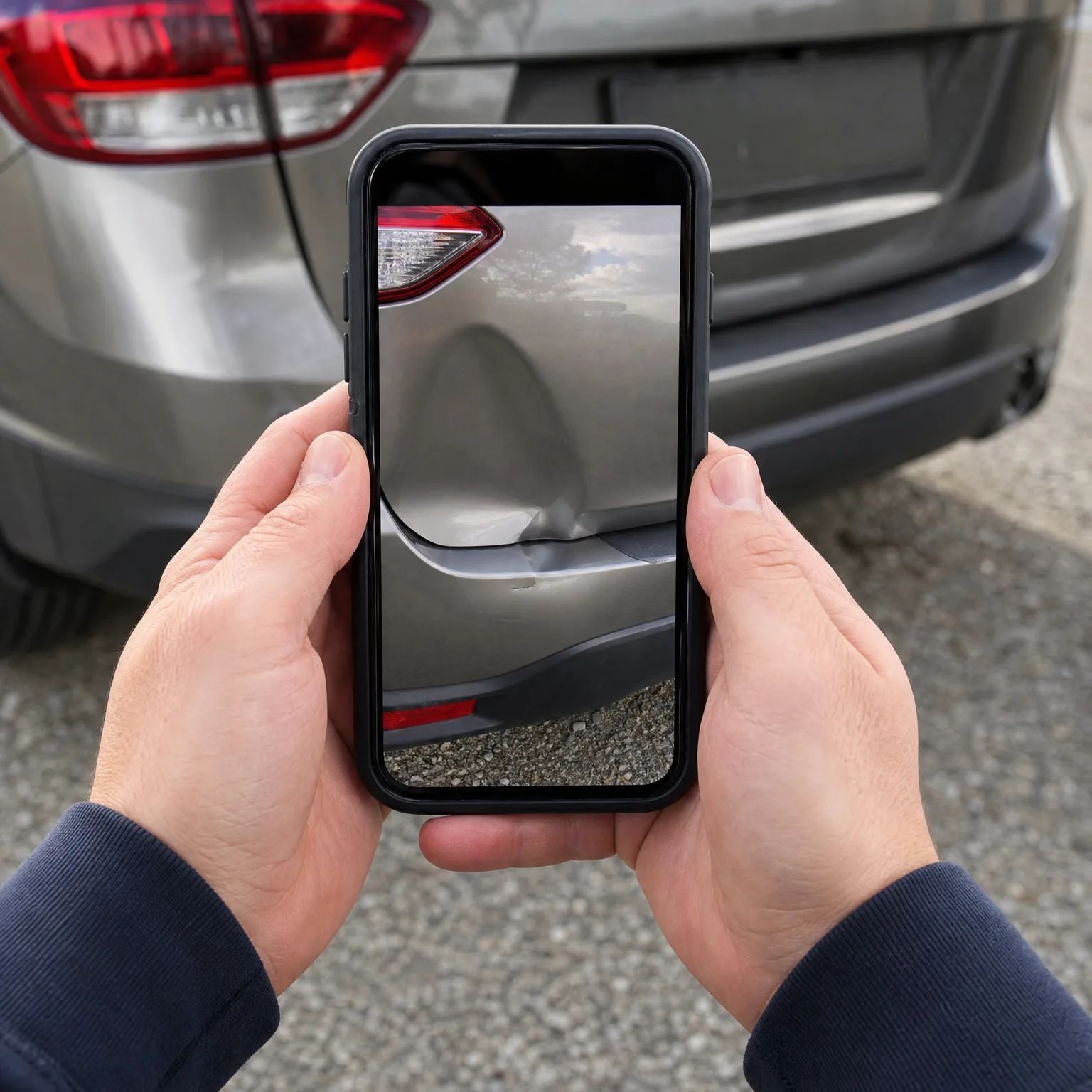
Say your roommate asks to borrow your car to drive home for the weekend since their own car is in the shop. You say yes, hand over the keys, and don't think much more about it. On the way, they get into a minor accident in a parking lot, denting the bumper and cracking a taillight.
Because you gave permission, your policy treats your roommate as a permissive user, so your coverage responds to the claim much like it would if you had been driving. You'd likely pay your deductible to get the car fixed, and the claim would go on your insurance history rather than your roommate's. If your roommate had been using your car regularly all semester instead of just that one weekend, your insurer might have asked why they weren't listed on the policy, which could change how smoothly the claim goes. A single, clearly permitted trip is the kind of situation permissive use is built for.
Do I need to add my roommate to my car insurance?
Only if they drive your car regularly, not just occasionally. Insurers generally expect frequent drivers to be listed on the policy, while someone who borrows it once in a while usually falls under permissive use. If your roommate drives your car weekly or has a standing arrangement to use it, call your insurer and ask whether they should be added, since this can affect how a claim is handled.
What happens if someone wrecks my car without my permission?
Unauthorized use can change how your claim is handled, since coverage for permissive use depends on you actually giving permission. If someone took your car without asking, your insurer may still cover damage but could pursue the driver separately, or treat it differently depending on your policy and state. Report it honestly to your insurer right away and ask how unauthorized use is treated under your specific policy.
Does it matter if my friend has their own car insurance?
It can help, but it doesn't change who pays first. Your policy typically responds first since coverage follows the vehicle, and your friend's insurance would only come into play if damages exceed your policy's limits. Still, it's worth knowing whether your friend has their own coverage, since that affects what happens if a serious accident goes beyond what your policy can pay.