How Much PIP Coverage Should I Get
Pick the PIP amount that covers your actual medical bills and lost income, not the lowest number your state allows.

What to weigh before you pick a PIP amount
- Your health insurance gap If your health plan has a high deductible or doesn't travel well to your school state, PIP fills that gap after a crash. Check what your health plan actually covers away from home before you decide.
- State minimums vary a lot Some states require PIP, some make it optional, and the minimum amount differs by state. Check the rules for the state where the car is registered, not just where you go to school.
- Lost income if you work PIP can replace a portion of income you lose if you're hurt and can't work your campus or part-time job. If you don't work, this matters less, but if you do, factor it in.
- Who else rides along PIP often covers passengers in your car too, including roommates or friends. If people regularly ride with you, that's a reason to carry more than the bare minimum.
- Cost versus protection Raising PIP usually costs less than you'd expect compared to the protection it adds. Ask for quotes at a couple of coverage levels and compare the actual difference before assuming more coverage is unaffordable.
Does my parents' health insurance affect how much PIP I need?
Yes, and it's worth checking closely. If you're still on a parent's health plan, find out whether it covers you fully in the state where you go to school, including urgent care and emergency rooms near campus, not just at home.
If your health plan has a high deductible, strong network restrictions in your school state, or caps on out-of-network care, PIP becomes more important because it pays before your health insurer does in many cases and doesn't depend on network rules. If your health plan covers you well everywhere, you may be comfortable with a lower PIP amount and let health insurance handle the rest.
Either way, don't assume. Call your parents' health insurer, ask specifically about coverage in your school's state, and make your PIP decision based on what you actually learn rather than a guess.

Once you know the PIP amount that matches your health coverage, compare quotes at that level to see the real cost.

A student picks PIP based on a health plan gap
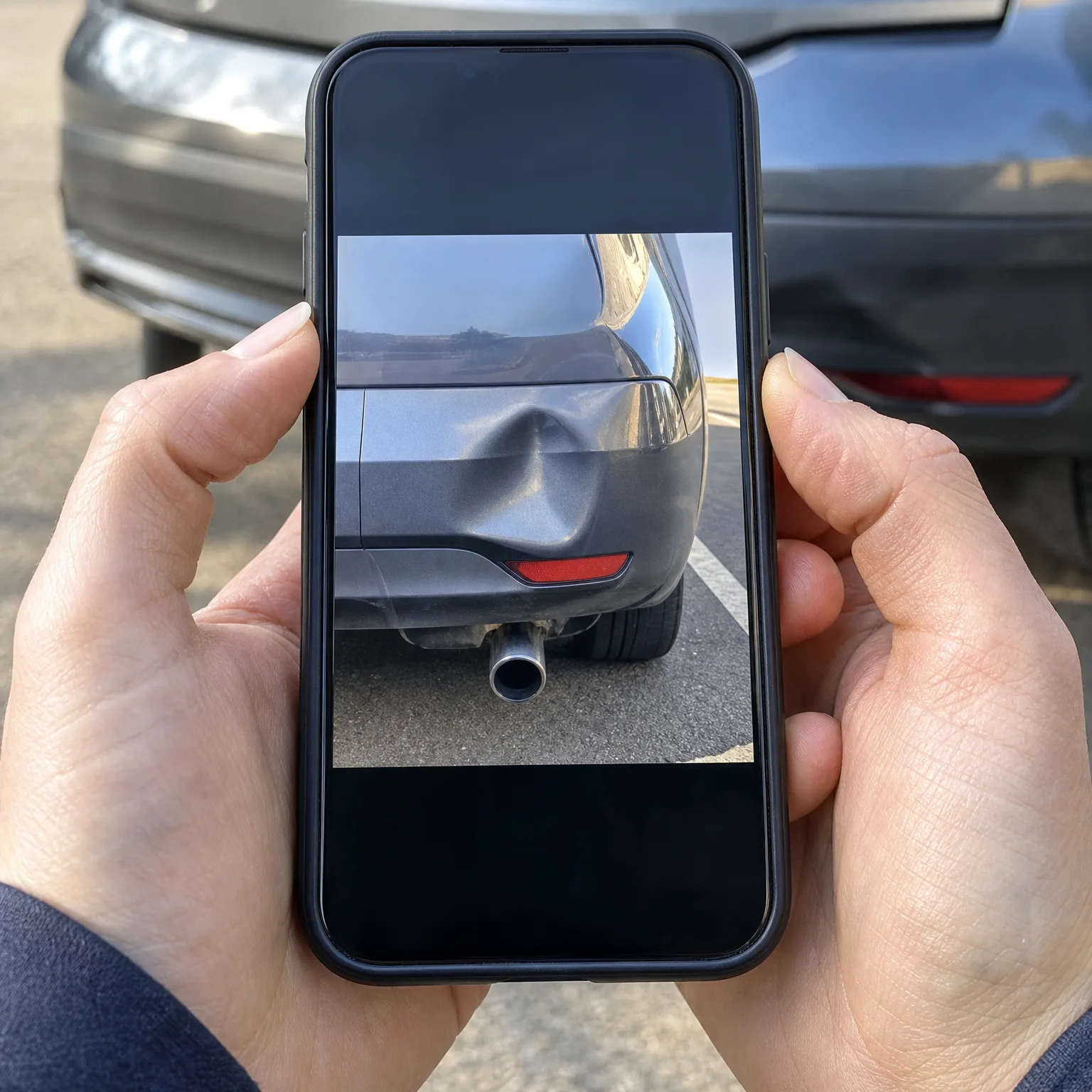
A junior living off campus in another state got rear-ended on her way to class. She was on her parents' health insurance, but it turned out the plan only covered a portion of out-of-network emergency care, and the nearest hospital to her apartment was out of network. She hadn't thought about this until the bill arrived.
Before that, she'd kept her PIP at the state minimum because it seemed like an easy way to save money. After the accident, she called her insurer, found out her PIP covered only a small part of her emergency room visit, and ended up paying the rest herself. The next policy renewal, she raised her PIP amount after checking her health plan's out-of-network rules again and confirming the gap was real. She also asked for quotes at two coverage levels first, and the cost difference was smaller than what she'd paid out of pocket after the crash.
Why the right PIP amount depends on your health coverage, not a guess
PIP exists to pay quickly after a crash, before fault is sorted out and often before your health insurer gets fully involved. That speed is the main point of it. The amount you need depends heavily on what happens if you don't have it, which means it depends on your health insurance, not on some universal right answer.
If your health insurance is strong and travels with you to your school state without gaps, PIP is more of a backup, and a lower amount may be reasonable. If your health insurance has gaps, like a high deductible, limited out-of-network coverage, or confusion about whether it even applies away from home, PIP becomes the coverage doing the real work in the early days after a crash. That's why checking your health plan first, specifically for your school's state, matters more than picking a PIP number in isolation.
Passengers add another layer. If you regularly drive friends or roommates, higher PIP protects them too, since it often extends to people riding in your car regardless of who's at fault. If you mostly drive alone, that factor matters less.
State rules shape your floor, not your ceiling. Your state sets a minimum, or may not require PIP at all, but nothing stops you from choosing more if your situation calls for it. The minimum is a legal line, not a recommendation, and your actual need can sit well above or right at that line depending on your health coverage and how you use the car.
PIP should match the gaps in your health insurance, not just meet the legal minimum.