How to Waive the Under 25 Car Rental Fee
You can't remove the under-25 fee, but your car insurance can cover the rental so you skip paying for the company's coverage too.

A spring break trip with a one-way drop-off
A student flying home for spring break books a rental car at the airport to drive to a relative's house in another state, then drops it off at a different location before flying back. At checkout, the counter agent quotes a young renter fee on top of the daily rate, and also pushes the rental company's collision coverage. The student already called the insurer that covers the family car before the trip and confirmed that the policy extends to rental cars driven by a listed driver, including one-way rentals, as long as the trip is personal and not for hired work like delivery.
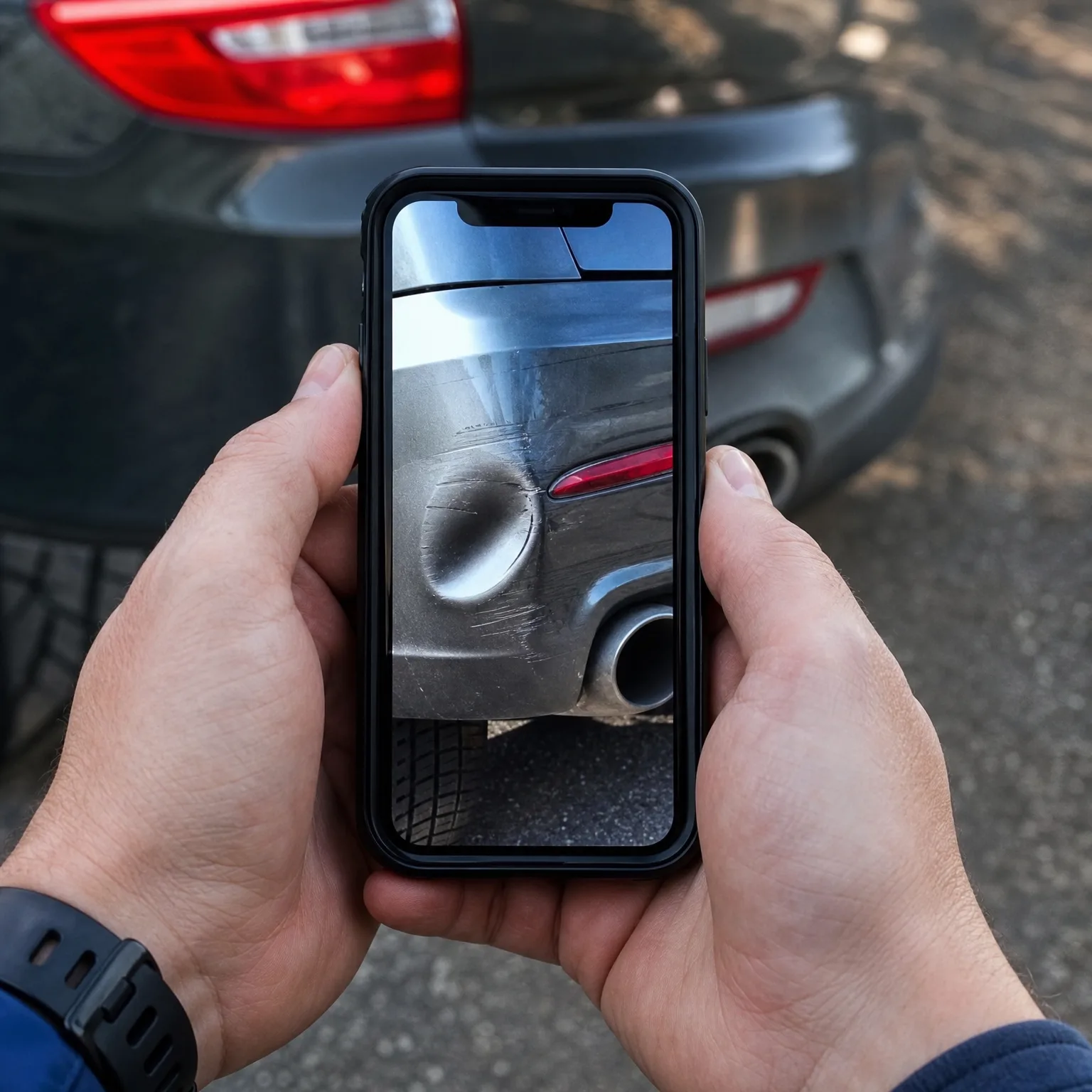
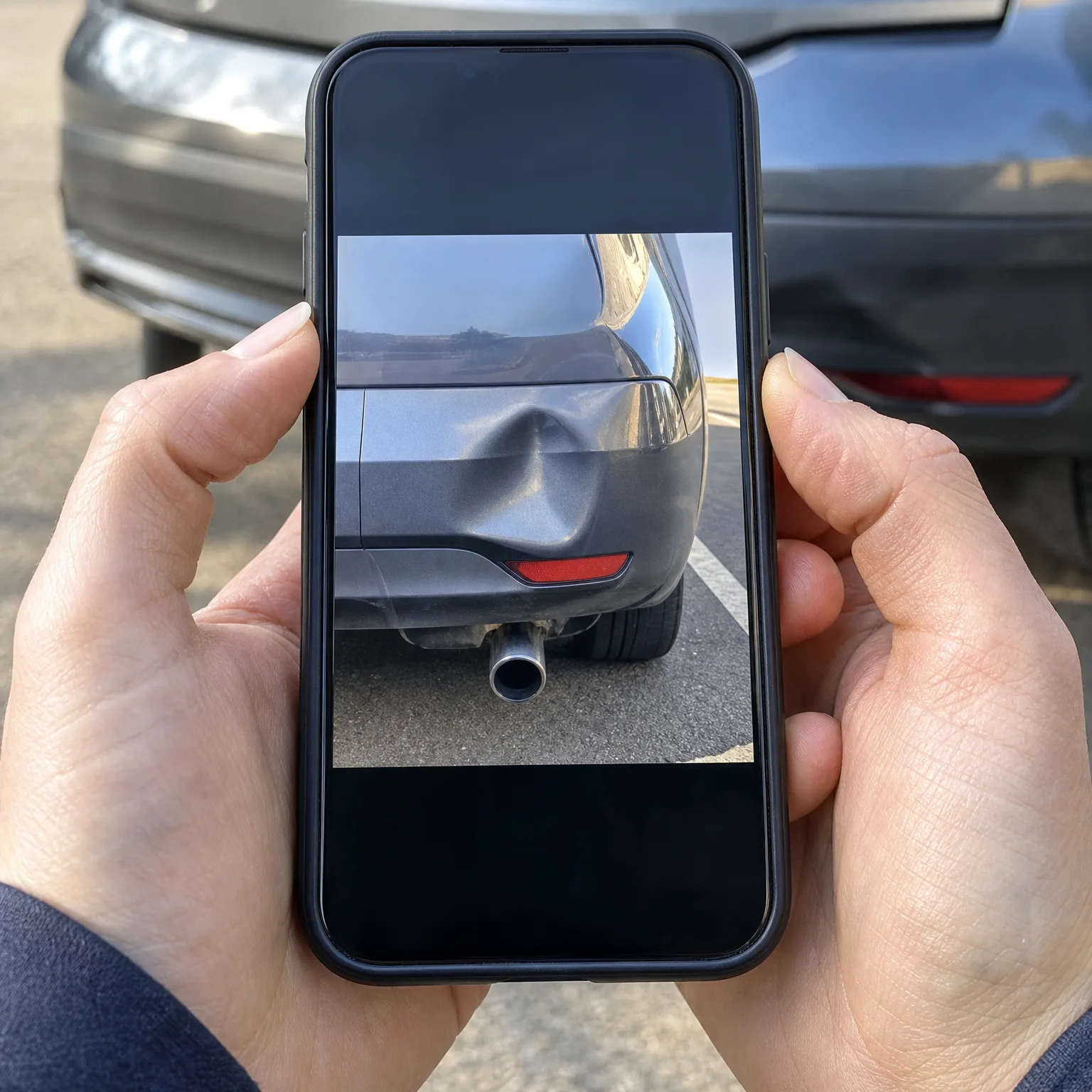
Knowing that, the student declines the rental company's collision waiver at the counter, since paying for it on top of the fee would mean covering the same risk twice. The young renter fee still applies because that's set by the rental company based on age, not something the student's own policy can touch. The trip goes fine, but on the return leg another driver backs into the parked rental in a lot. Because the student's own policy was active on the rental, the claim goes through that policy instead of an expensive out-of-pocket repair charged by the rental company.

The short version
The under-25 fee is set by the rental company and almost never waived, no matter what coverage you have. What you can control is whether you also pay for the rental company's own protection on top of it. Call the insurer that covers you before you book, confirm rental cars are included, and skip the duplicate coverage at the counter.
Does my parents' policy actually cover me as a young renter?
If you're listed as a driver on that policy, it typically extends to a rental car the same way it covers the family car, including liability and damage coverage, as long as the trip is personal use. The rental agreement is separate from that coverage. The fee the counter charges you for being under 25 is the rental company's own pricing and stays in place regardless of what your insurance covers.
What changes the answer is whether you're listed as a driver at all. If you're away at school and your parents updated the policy to remove you as a regular driver, or if you're only an occasional user of a car titled in someone else's name, you need to confirm with the insurer directly rather than assume. The same goes for whether the policy follows you to a rental car in another state, since that can vary by insurer and is worth confirming before you're standing at the counter.
Once you know what your policy covers in a rental, compare quotes to confirm that coverage before your next trip.
Why the fee stays but the real cost doesn't have to
The under-25 fee exists because rental companies price risk by age group, and younger drivers statistically file more claims. That pricing decision belongs entirely to the rental company, not to any insurance policy. No amount of coverage you carry changes how the rental company sets its own fees, which is why looking for a way to waive it through your insurer is the wrong target. The real cost you can control is what you pay on top of that fee.
When you rent a car, the counter agent will offer the rental company's own collision and liability protection, priced separately from your daily rate. If your personal auto policy already extends to rental cars, which it often does for a listed driver on a personal trip, buying that extra protection means paying twice for the same coverage. This is the part worth sorting out before you travel, not at the counter under time pressure.
Where this gets less straightforward is when the car itself isn't a simple personal policy situation. If you're driving a car that's titled to your parents but you're not listed as a regular driver, or if the policy was recently updated because you moved for school, the extension to a rental car isn't automatic. International rentals also work differently, since many personal auto policies stop at the border entirely.
The practical move is a phone call before you book, not a guess at the counter. Ask the insurer directly whether rental cars are covered, whether that includes one-way or long-distance rentals, and whether anything about your situation, like living away at school, changes that answer. That single call tells you whether the rental company's upsell is redundant or necessary, which is worth far more than hunting for a fee waiver that doesn't exist.

Can I use a credit card to avoid the under-25 rental fee?
No, a credit card's rental car benefits don't touch the age-based fee either, since that fee is separate from any coverage question. Credit card rental benefits typically offer secondary damage coverage, not a discount on the rental company's pricing. Check your specific card's terms, since some exclude renters under 25 from their rental coverage entirely, which matters more than any fee question.
Will my insurance rate go up if I file a claim on a rental car?
It can, because a claim on a rental car filed through your personal policy is treated the same as any other claim on that policy. Whether your rate actually increases depends on your insurer's specific rules and your claims history, so this is worth asking about on the same call where you confirm rental coverage. If you're concerned about this, ask specifically what the insurer's policy is before you rely on it for a rental.
Does it matter if I rent the car in a different state than where I'm insured?
Usually not for whether coverage applies, but it's still worth confirming directly. Personal auto policies generally follow you across states for personal travel, since coverage is tied to the driver and the policy, not the location. What can vary is how certain claim processes work across state lines, so when you call to confirm rental coverage, mention the state where you'll be renting.