Is 25/50/25 Liability Coverage Enough
25/50/25 meets the legal minimum in most states that use it, but it leaves you exposed if a crash costs more than that.
Why the limit matters more than it looks like it does
Those three numbers set the most your liability coverage will pay if you cause an accident. The first number covers injuries to one person, the second covers total injuries in the crash, and the third covers property damage, usually someone else's car. Once you hit any of those caps, you are personally on the hook for the rest.
For a college student, the real risk isn't the fender bender in a parking lot. It's the crash on a highway near campus involving more than one car, where medical bills and vehicle damage add up fast. A single ER visit or a totaled newer car can reach those limits quickly, especially the per-person injury number.
This is where your financial situation matters. If you don't own much and don't expect to for a few years, a lawsuit for damages beyond your coverage has less to take, though it can still follow you for a long time. If your parents' policy is the one covering you, their assets are part of what's exposed, not just yours.
Whether 25/50/25 is even an option depends on where the car is insured and registered. Some states set different minimums or structure limits differently. Check what your state requires and what your policy actually lists, since being away at school doesn't change which state's rules apply to your coverage.
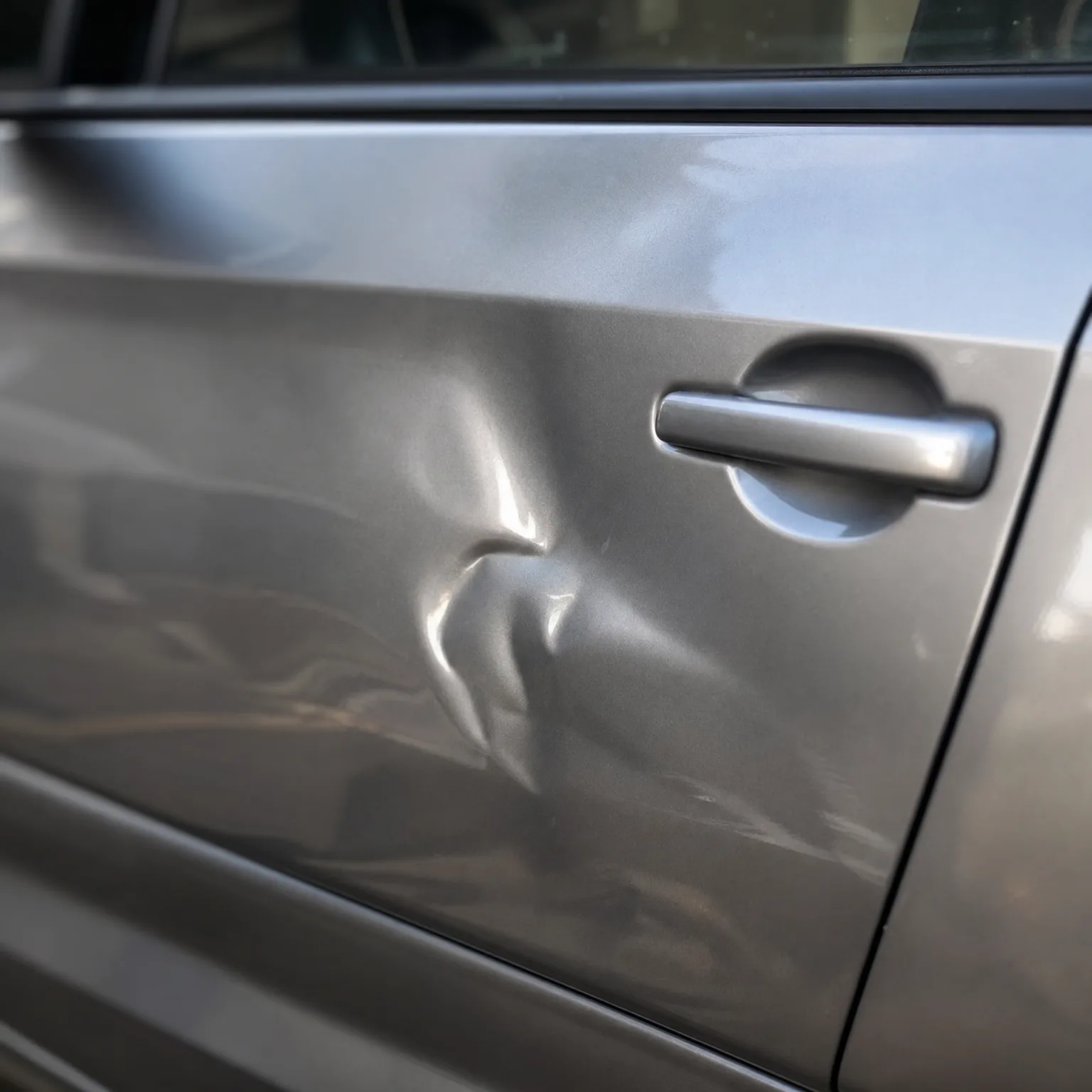
A multi-car crash near campus
A student driving back from an off-campus job merges wrong on a rainy evening and clips two cars stopped ahead. Both drivers are hurt, one seriously enough to need surgery, and both cars need major repairs. The student's policy carries 25/50/25 liability, split between the family plan and the car brought to school.
The injury claims alone come close to the per-person and total injury limits once hospital bills are added up. Property damage for two newer cars pushes past the damage limit too. The insurer pays out up to each cap, and the student, through the policy's named insured, is personally responsible for the remainder. The family ends up negotiating a payment plan with the other drivers' lawyers, something that could have been avoided with higher limits for a relatively small cost difference. The crash itself wasn't unusual. The gap between what coverage paid and what was owed is what made it painful.
Should I raise my limits above 25/50/25?
Yes, if you can find room in your budget, because the cost difference between 25/50/25 and a higher set of limits is usually small compared to what you'd owe in a serious crash. Raising the injury and property limits even modestly can close most of the gap that causes real financial damage.
The decision changes if money is extremely tight and the car is rarely driven, parked most of the semester, or driven only short distances in light traffic. In that case the minimum might be a reasonable trade while you're in school. Ask whoever manages the policy to run a quote at a couple of higher limit levels side by side, so you're comparing an actual cost difference instead of guessing at one.
Compare quotes at a couple of higher liability limits so you can see the real cost of closing the gap.


What to check before you decide the limit is enough
- Your state's actual minimum Some states require different numbers or structure them differently than 25/50/25. Check your policy declarations page to see what applies to the car you're driving.
- Who else is exposed If you're on a parent's policy, their assets are part of what a lawsuit could reach, not just yours. Ask them how they think about that risk before assuming the limit is fine.
- How the car gets used at school A car driven daily in traffic carries more risk than one parked most of the semester. Match your sense of the coverage to how often and where you actually drive.
- The cost to raise limits Moving up from the minimum often costs less than people expect. Get a quote at a higher limit before deciding the minimum is your only affordable option.
- Umbrella policy option If the family has other assets to protect, an umbrella policy might make more sense than just raising auto limits alone. Ask whoever manages the family's insurance whether this applies.

The real cost of a low limit isn't the premium you save, it's the bill that shows up after the limit runs out.