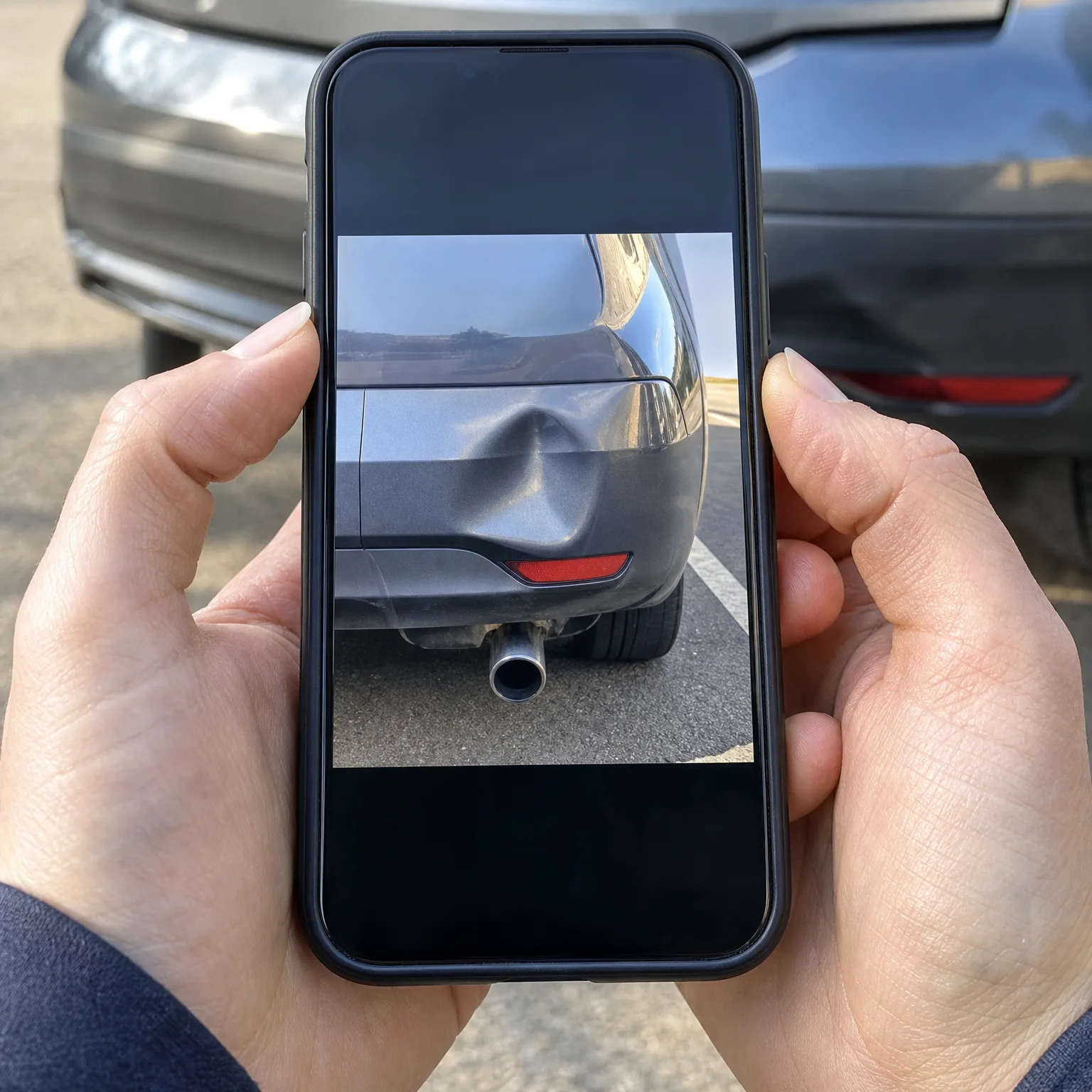
Is It Good to Have a $0 Deductible
Why a lower deductible costs you more up front
Your deductible is the amount you pay before your insurer pays the rest of a covered claim. They're taking on more risk per claim, so they charge more every single month to offset it, whether or not you ever file.
That trade only makes sense if you're fairly likely to file a claim and would struggle to pay a deductible when you do. For a lot of drivers, especially ones with a clean record and a car that isn't brand new, claims are rare enough that the extra monthly cost adds up to more than the deductible ever would have. You end up prepaying for a scenario that may never happen.
A higher deductible works the other way. You accept more risk in the moment, but you pay less for coverage the rest of the time, and that gap often outweighs what you'd save by never paying a deductible at all. The right number depends on how much cash you could actually come up with quickly if your car was hit or broken into, since that's the real test of what you can afford to carry.
This varies by insurer and by state, so the exact deductible options and how much each one changes your premium will differ depending on where you're buying coverage. Ask for quotes at a few deductible levels before deciding, since the gap between them isn't always what you'd expect.
The short version
For most student drivers with a reliable car and tight budget, a moderate deductible you could actually afford saves more overall. Compare premiums at a few deductible levels before choosing.
What deductible amount actually makes sense for me?
The right deductible is the highest amount you could pay in cash without it being a real hardship, because that's the exact risk you're accepting in exchange for a lower premium every month. If an unexpected repair bill would wreck your budget this semester, lean lower. If you have some savings set aside, a higher deductible probably saves you more over time.
Also think about how you're using the car. If it mostly sits in a lot and you rarely drive in heavy traffic or an unfamiliar city, your real claim risk is lower, which makes a higher deductible more attractive. If you're commuting daily or parking somewhere with a lot of break-ins, a lower deductible might earn its keep. Either way, ask for the premium at each deductible option so you're comparing actual numbers, not guessing.
Compare quotes at the deductible level that fits your budget to find the best price for that coverage.
What to weigh before picking your deductible
- Compare the premium gap Ask for quotes at a few deductible levels side by side.
- Know your cash cushion Figure out how much you could pay out of pocket right now without real stress. That number, not a guess, should drive which deductible you pick.
- Check your driving habits A car that mostly sits in a lot has lower claim risk than one driven daily in heavy traffic. Lower risk can support a higher deductible.
- Confirm which claims it covers Some policies use different deductibles for collision versus comprehensive claims like theft or vandalism.
- Revisit it each renewal Your situation changes year to year as a student. Re-check your deductible choice whenever you renew instead of leaving it on autopilot.