What to Leave on a Note When You Hit a Parked Car
Leave your name, your phone number, and a short honest description of what happened, and nothing more than that.
Why a short, honest note protects you later
A note exists so the car's owner can reach you. That is its whole job. The information that matters is contact information, so your name and a working phone number are the two things that actually have to be right. Everything else you write is secondary, and some of it can work against you if you're not careful.
You don't need to admit fault or explain yourself in detail. Writing "I'm so sorry, I was backing out too fast and not paying attention" feels polite in the moment, but it turns into a written statement that an insurer or the other driver can point to later. A plain line like "I backed into your car while parking" tells them what happened without building a case against you.
You also don't need to guess at damage or promise a dollar amount. You don't know yet what repairs will cost, and offering to "just pay for it myself" on the spot can leave you on the hook for more than your insurance would have covered, or for damage that was already there. Let the claims process, not a note in a parking lot, sort out who pays what.
Where this gets a little different is what happens after the note. Some states require you to report any accident over a certain point, even one involving only property and no other person present. Check what your state requires, because leaving a note is the first step, not the only one. If you have a phone, take photos of both cars and the note itself before you leave, so there's a record beyond what's written on paper tucked under a wiper.
What actually belongs on the note
- Your full name This is how the other driver identifies you later. Use your real name, not a nickname, so it matches your license and insurance if a claim gets filed.
- A working phone number This is the most important line on the note. Double check it before you walk away, since a wrong digit makes the rest of the note useless.
- What happened, briefly One plain sentence describing the damage is enough. Skip apologies or explanations, since they can be read as admitting fault later.
- The date and rough time This helps the other driver and any insurer match your note to the right incident, especially if the car sits in that spot for a while.
- Nothing about payment or blame Don't offer to pay out of pocket or guess at cost. Let your insurer and the other driver's insurer work out responsibility through the claim.
Do I have to call the police for a parked car I hit?
It depends on where you are and how much damage there is. Many states only require a police report when damage passes a certain level or when you can't locate the owner to leave a note. Some college towns and campus lots also have their own reporting rules separate from the state's.
If you're unsure, calling is rarely the wrong move. A police report creates an official record of what happened, which protects you if the other driver later claims more damage than actually occurred. Check your state's requirement and your school's policy on vehicle accidents on campus property, since those can differ from what applies off campus.
Once you know how to document this properly, compare quotes to make sure your coverage would actually back you up.

Leaving a note versus driving off
If you do
You leave your name and number on the windshield. The owner calls you, you exchange insurance information calmly, and a claim moves forward normally. Your insurer sees a reported incident handled responsibly, which matters if anything about the damage is disputed later.
If you don't
Driving off from a parked car you hit is a hit and run in most places, even with no one around. If a camera or witness identifies your car later, you face legal trouble on top of the damage, and your insurer may not cover a claim tied to leaving the scene.
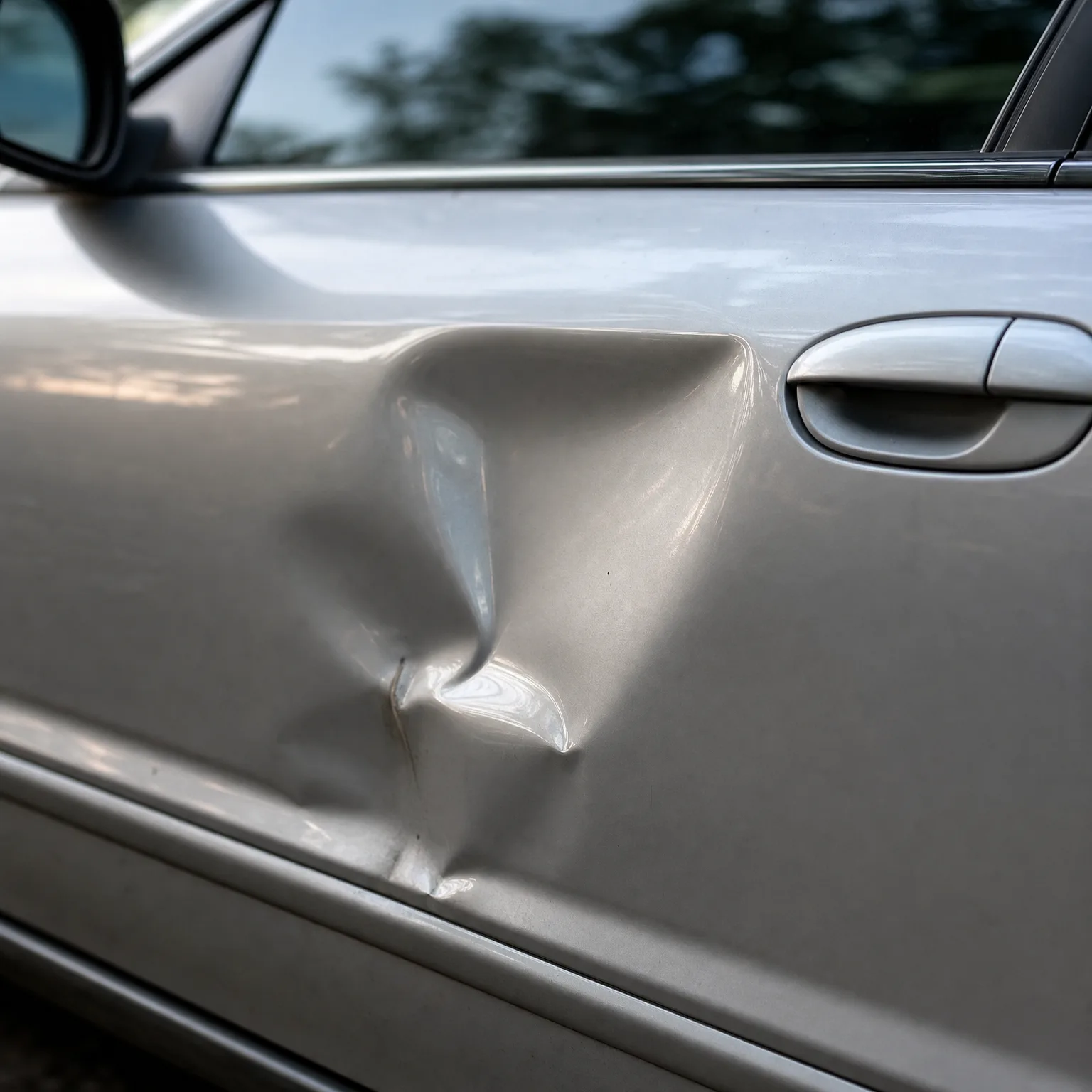
Backing out of a tight campus lot
You're leaving an evening class and back out of a cramped space, clipping the corner of a parked car that wasn't visible until it was too late. No one's around, and the lot is far enough from any building that waiting for the owner isn't realistic. You check for a camera, see none, and decide a note is the right move.
You write your name, your phone number, the date and time, and one line: "Backed into your bumper while parking, sorry for the trouble, please call." You tuck it under the wiper, take a photo of the note and both cars with your phone, and head to your next class. Two days later the owner calls, you both file with your insurers, and because your note was clear and your photos matched the story, the claim moves through without anyone questioning what happened.