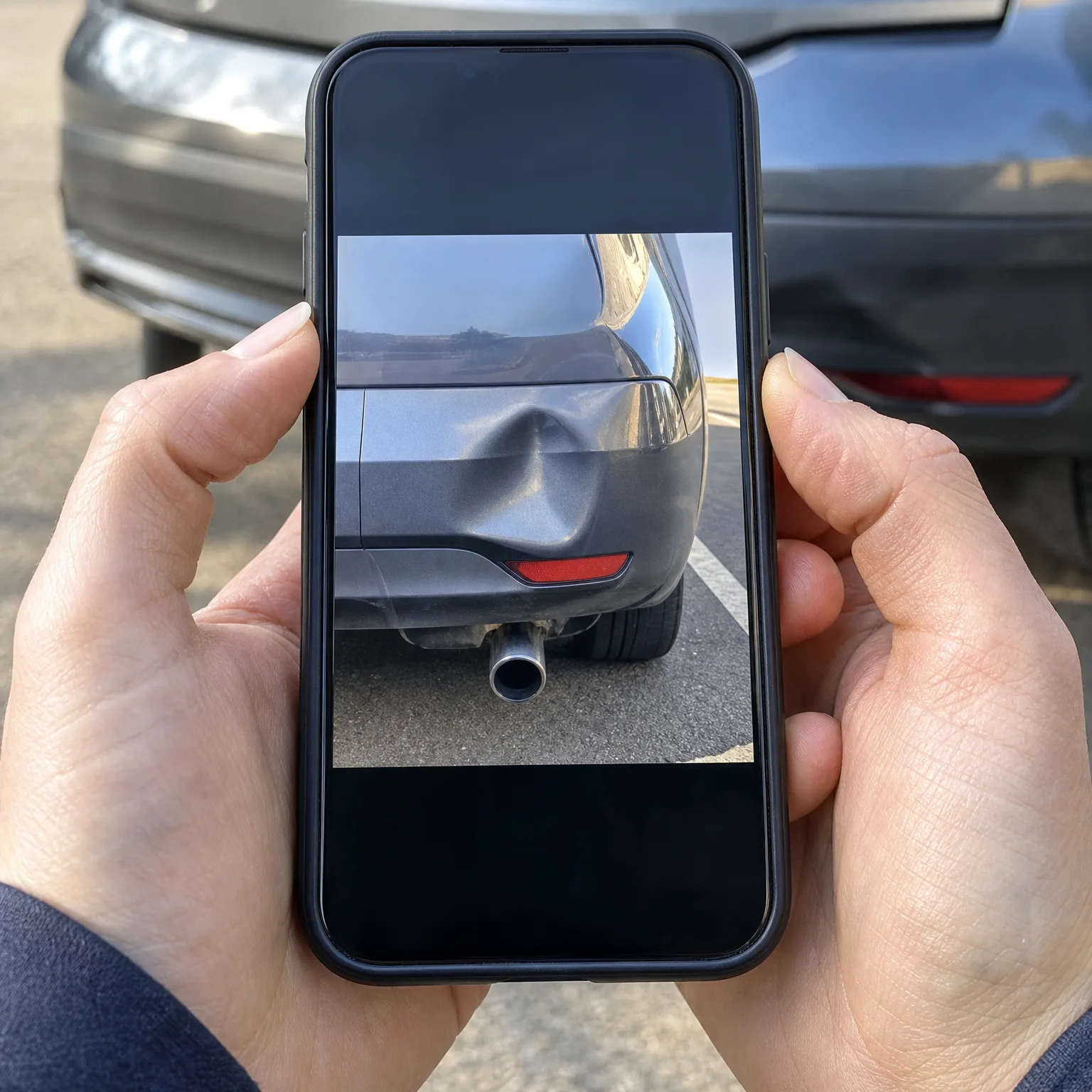
Will Insurance Drop You After Two Claims
Sometimes, but it depends more on what the claims were than how many you've filed.
It's the type and cause of the claims that matters most
Insurers aren't just counting claims, they're judging risk. A claim from a deer strike or a parked car getting hit reads very differently than a claim from running a red light. Two not-at-fault claims rarely trigger the same response as two at-fault ones, even though the number looks the same on paper.
Every insurer has its own internal threshold for how much risk and cost they're willing to keep covering, and those thresholds aren't public. One company might non-renew after a pattern that another company shrugs off. This is also where state rules come in. Some states limit how and when an insurer can drop a driver mid-term or decline to renew, and others give insurers more freedom. What your policy allows depends on where you're insured, not where you go to school.
There's also a difference between being dropped and being non-renewed. Dropping someone mid-policy for claims is restricted almost everywhere and usually requires something more serious, like fraud or a major violation. Non-renewal, which just means the insurer declines to offer you a new term when the current one ends, has a lower bar in most places.
If you're on a parent's policy, the claims history follows the policy, not just you individually. So a claim you caused while driving the family car to school can affect everyone on that policy, not just your own standing. That's worth knowing before you assume a claim only touches your own record.

A sophomore with two claims in one school year
A student named in this situation backed into a pole in a campus lot during fall semester, then had a windshield cracked by road debris over winter break. Both went through the family policy. The pole claim was at-fault and cost the insurer money for the repair. The windshield claim was comprehensive, meaning it wasn't caused by driving and is treated as close to no-fault.
When the policy came up for renewal, the insurer kept them on but the premium went up because of the at-fault claim. The windshield claim barely factored in. The student also found out that if a third claim happened, especially another at-fault one, the insurer's internal guidelines made non-renewal far more likely. Knowing that changed how they drove and parked for the rest of the year, and they also learned to ask directly what their specific insurer's threshold looked like instead of guessing.
What happens if you get dropped and need new coverage?
If a policy is non-renewed or canceled, you still need continuous coverage, especially if you're driving at school. Gaps in coverage make every future policy more expensive, so the priority is getting a new policy in place before the old one ends, not after.
Being dropped for claims usually means you'll look more like a higher-risk driver to other insurers too, so expect fewer options and higher costs at first. This isn't permanent. As time passes without new claims, your record improves and your options open back up. Shopping around matters more here than usual, since insurers weigh claims history differently and one company's decline doesn't mean they all will.
Compare quotes now so you know your options before any renewal decision catches you off guard.

What actually determines whether you get dropped
- Fault matters more than count An at-fault claim weighs heavily, a no-fault one usually doesn't. Check whether your claims were marked at-fault, since that label drives the insurer's decision more than the total number.
- Your insurer's own threshold Every company has different tolerance for risk. Ask your insurer directly what their policy is on multiple claims instead of assuming a universal rule.
- Your state's non-renewal rules Some states restrict how insurers can decline renewal, others don't. Look up your state's insurance department rules if you want to know your real protections.
- Whose policy you're on If you're on a parent's policy, claims affect the whole household's record. Talk with your parents about how a claim you cause could affect their renewal, not just yours.
- Timing of your claims Claims close together in time look worse than the same claims spread over years. Space out any optional claims if you can absorb a small cost yourself instead.

It's not the number of claims that decides your fate, it's whether they were your fault.